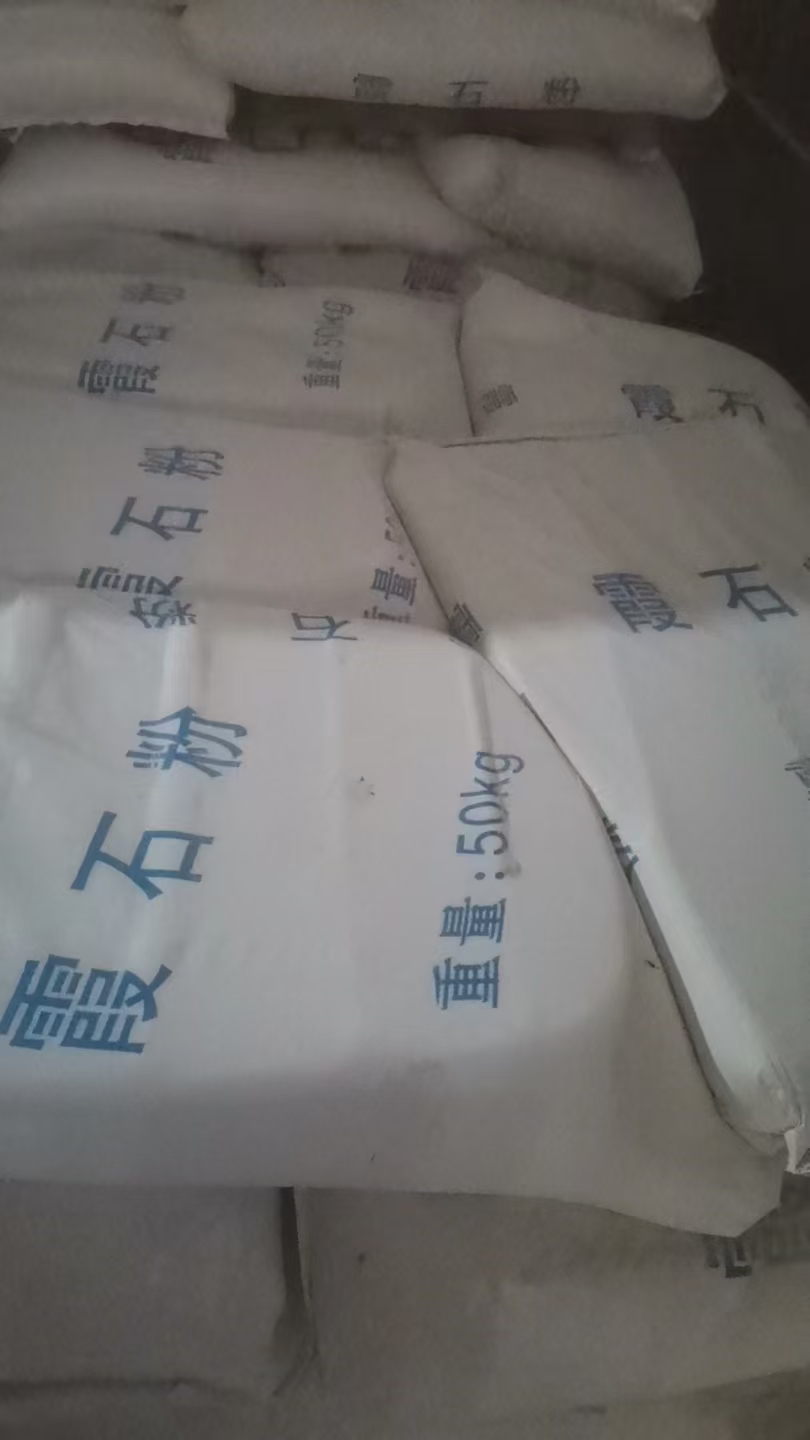
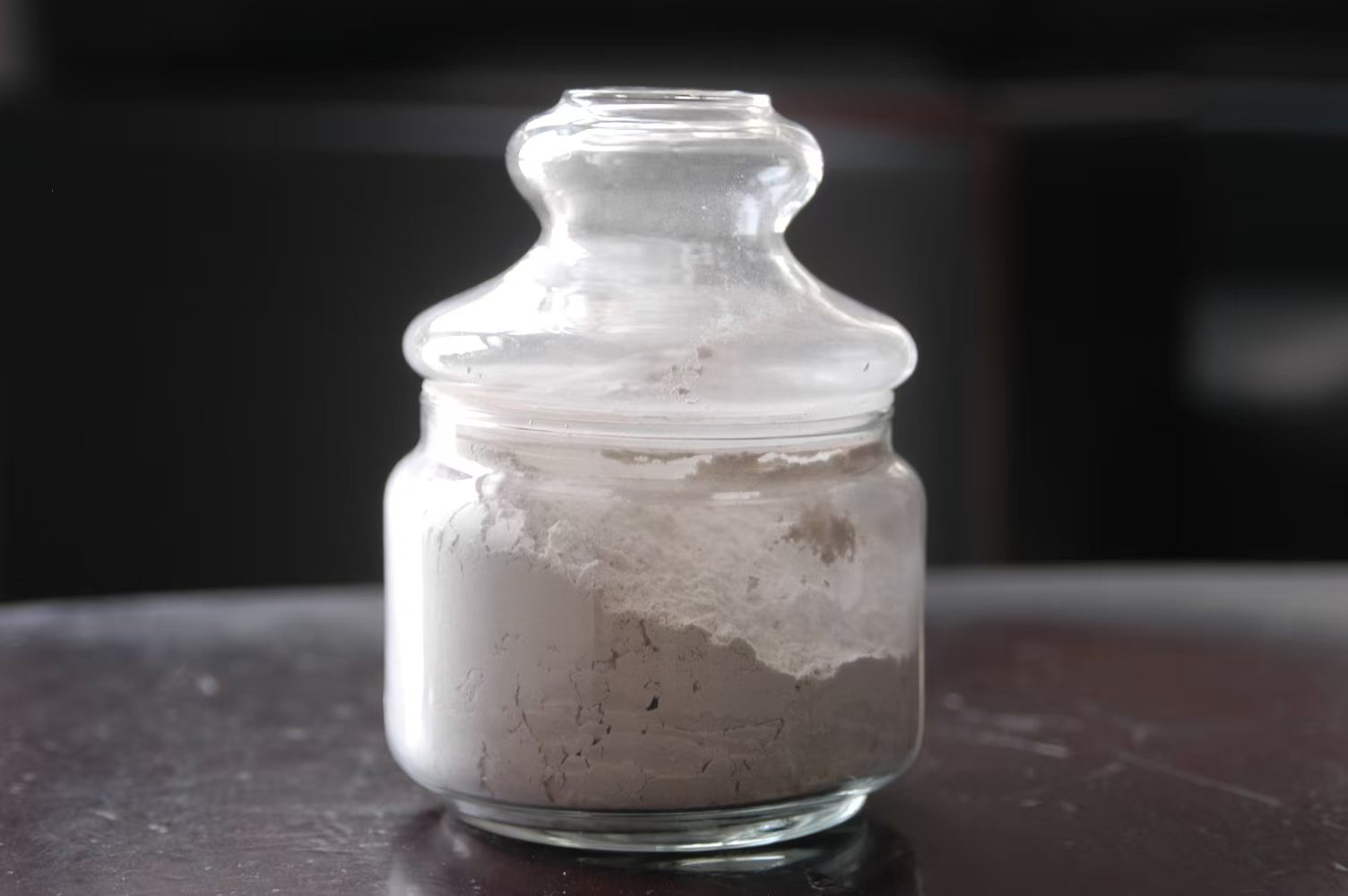
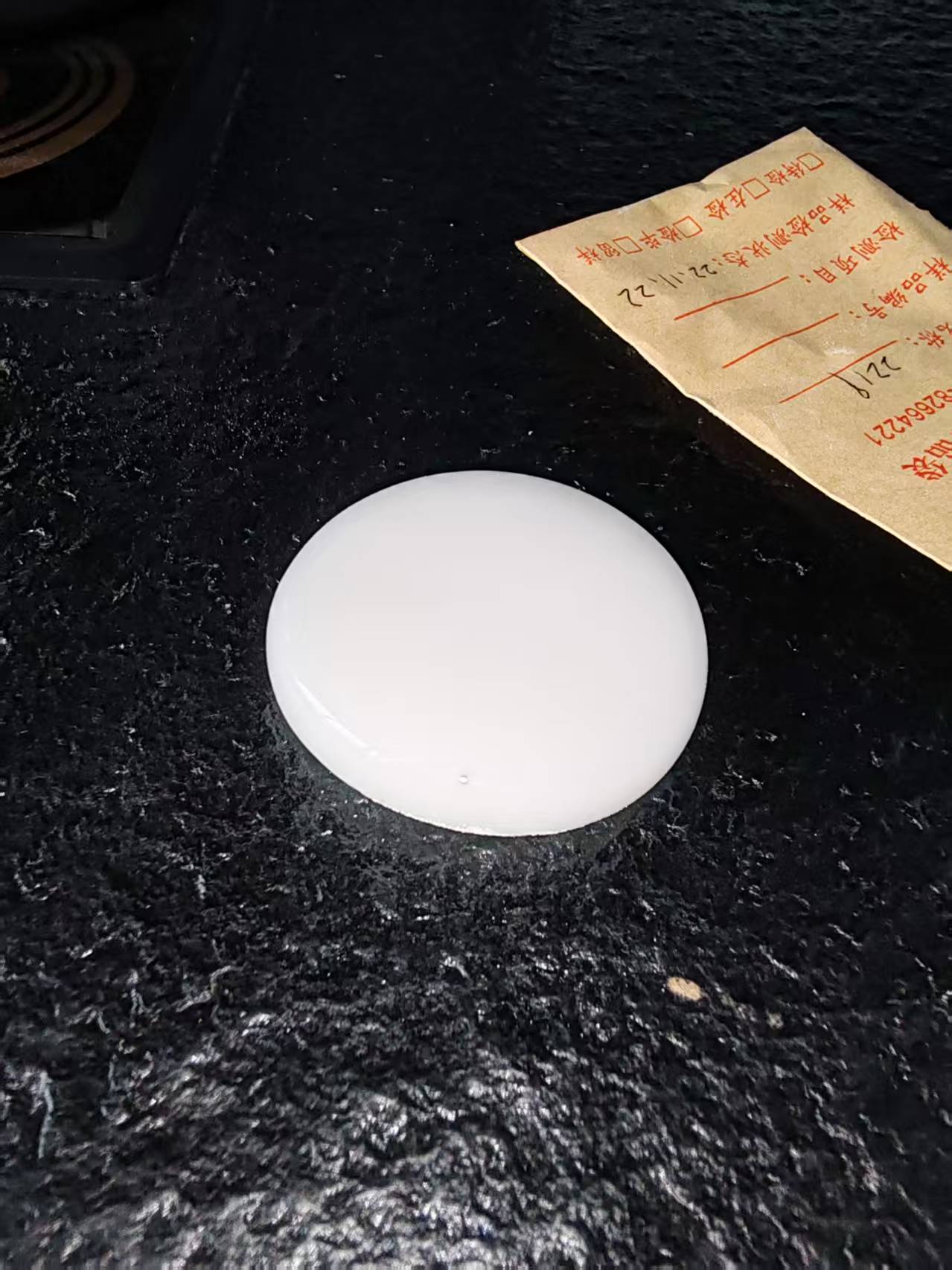
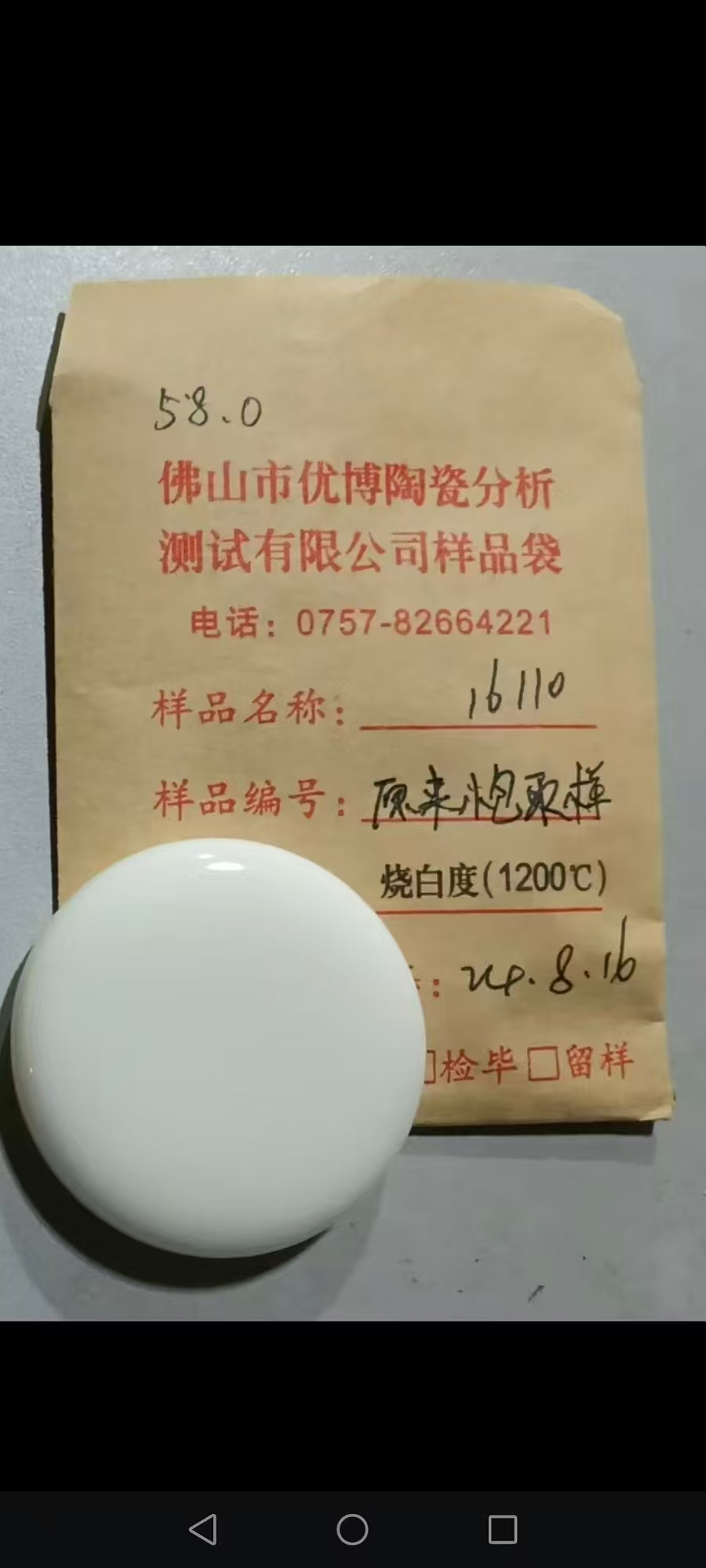
Translucency — the ability to see light through thin porcelain walls — is the hallmark of fine tableware quality.
Translucency — the ability to see light through thin porcelain walls — is the ha
Poor translucency in porcelain bodies is caused by: incomplete vitrification (insufficient glass phase to transmit light — increase nepheline to 28-32%); residual porosity (trapped bubbles scatter light — extend soak time or optimize firing curve); iron coloring (Fe2O3 absorbs light — switch to K200 with 0.08% Fe2O3); and crystalline phases that scatter light (excessive cristobalite from high quartz content or mullite from excess alumina — reduce quartz by 3-5% and ensure nepheline provides the alumina rather than adding separate alumina sources). K200 is the essential grade for translucent tableware: its 200-mesh fineness promotes rapid, complete vitrification; its ultra-low iron ensures a colorless glass phase that transmits rather than absorbs light; and its high Na2O (8.74%) provides powerful fluxing for full densification at moderate temperatures.
See product recommendations below
Understanding This Defect
Poor translucency in porcelain bodies is caused by: incomplete vitrification (insufficient glass phase to transmit light — increase nepheline to 28-32%); residual porosity (trapped bubbles scatter light — extend soak time or optimize firing curve); iron coloring (Fe2O3 absorbs light — switch to K200 with 0.08% Fe2O3); and crystalline phases that scatter light (excessive cristobalite from high quartz content or mullite from excess alumina — reduce quartz by 3-5% and ensure nepheline provides the alumina rather than adding separate alumina sources). K200 is the essential grade for translucent tableware: its 200-mesh fineness promotes rapid, complete vitrification; its ultra-low iron ensures a colorless glass phase that transmits rather than absorbs light; and its high Na2O (8.74%) provides powerful fluxing for full densification at moderate temperatures..
Solution & Prevention
.
Experiencing this defect?
Send us a photo of the defect + your current formulation. Our team provides free troubleshooting support.