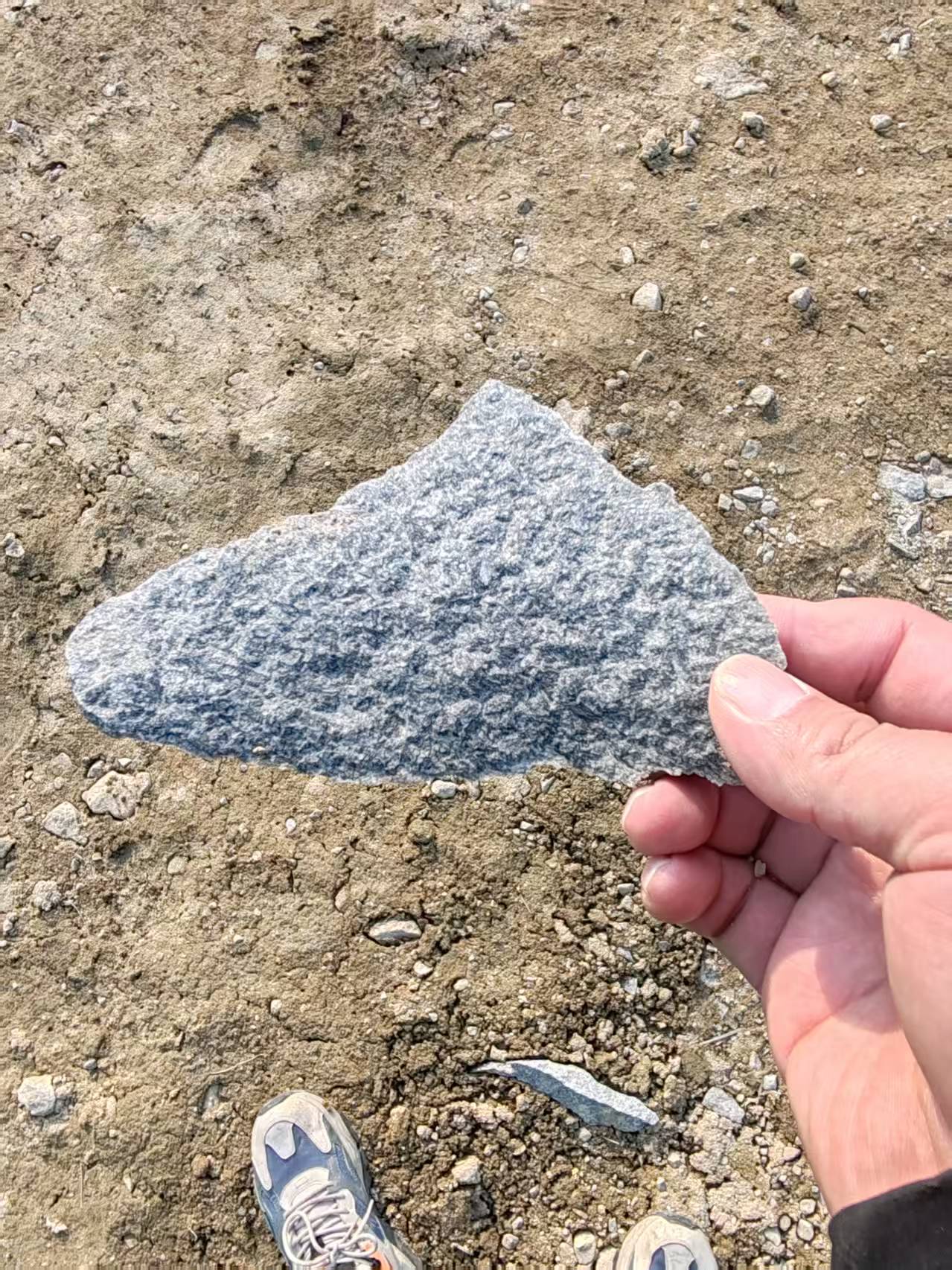
If you are a procurement manager, ceramic engineer, or raw material buyer evaluating nepheline syenite for the first time, this guide gives you everything you need to make an informed purchasing decision. We cover the geology, chemical properties, available grades, industrial applications, global sources, pricing factors, and critical quality parameters — written specifically for professionals who need to understand this material before committing to a supplier or formulation change.
What Exactly Is Nepheline Syenite?
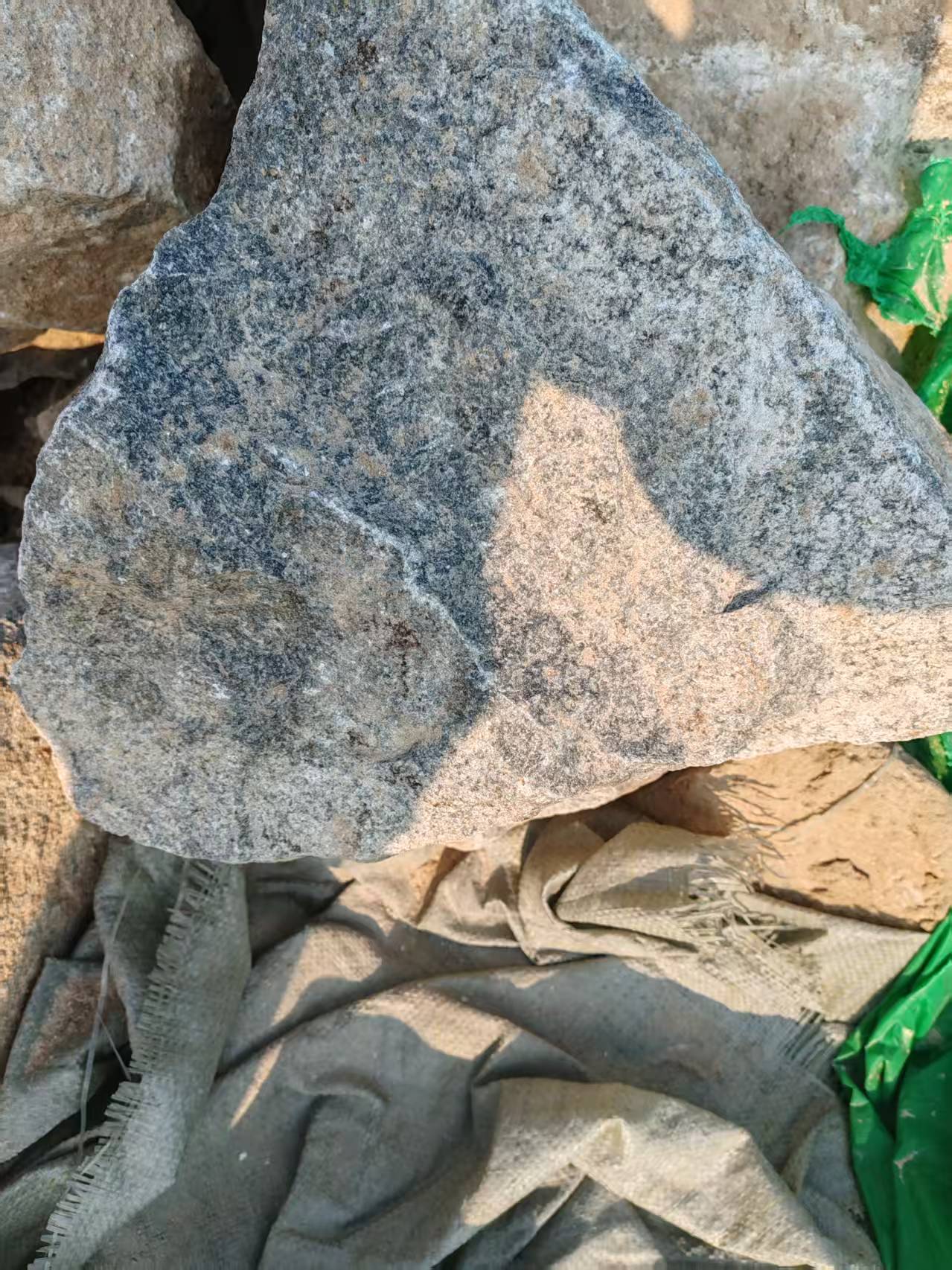
Nepheline syenite is an igneous rock — meaning it formed from cooled magma deep within the Earth. What makes it special compared to other igneous rocks like granite is that it contains no free quartz (silica). Instead of quartz, it contains the mineral nepheline (NaAlSiO4), along with alkali feldspars (orthoclase and albite) and minor accessory minerals. This quartz-free composition is not merely a geological curiosity — it has direct industrial consequences that matter to buyers. First, the absence of free quartz means nepheline syenite is inherently safer to handle than quartz-containing minerals (relevant for workplace health regulations). Second, the mineral nepheline itself contains significantly more alumina (Al2O3) and alkali (Na2O, K2O) per unit weight than any feldspar mineral, making nepheline syenite a more concentrated source of the oxides that ceramic and glass manufacturers need.
Chemical Composition: What Buyers Need to Know
A commercial-grade nepheline syenite powder typically contains the following oxides (weight percent ranges from major global producers): SiO2 55-62%, Al2O3 20-24%, Na2O 5-11%, K2O 4-10%, Fe2O3 0.05-0.5% (varies significantly by processing method), CaO 0.1-5%, plus trace TiO2, MgO, and MnO. For buyers, three numbers matter most:
Total alkali (Na2O + K2O): This is the "flux power" — higher means more melting action per ton. Nepheline syenite typically delivers 12-16% total alkali versus 8-14% for standard feldspars. When you buy nepheline, you get roughly 20-30% more flux per ton than buying feldspar. This means you need less material in your formulation to achieve the same degree of vitrification — a real cost advantage despite potentially higher per-ton pricing.
Al2O3 (alumina): At 20-24%, nepheline syenite delivers significantly more alumina than feldspar (17-19%). Alumina strengthens ceramic bodies, improves chemical durability in glass, and enhances glaze hardness. If your product specifications require high strength or durability, nepheline's extra alumina is a tangible advantage.
Fe2O3 (iron oxide): This is the critical quality differentiator between suppliers and processing methods. Iron is the primary colorant — it determines whether your fired ceramic is brilliantly white or noticeably yellow. Premium wet-processed nepheline syenite achieves Fe2O3 below 0.1% (our K200 grade: 0.08%). Dry-processed products from the same ore typically show 0.2-0.5%. This is the number you should compare most carefully between supplier quotations. Always request a Certificate of Analysis (COA) with Fe2O3 data from multiple consecutive batches, not just a single best-case result.
Industrial Applications: Where Does Nepheline Syenite Go?
Ceramic tile bodies (the largest market): Nepheline serves as the primary flux in porcelain, floor tile, and wall tile body formulations. Typical inclusion rates range from 15-30% of the body recipe. It lowers the firing temperature by 30-50 degrees C compared to feldspar-only formulations, representing measurable energy savings at industrial kiln scale. The higher alumina improves fired body strength, and the broader firing range reduces reject rates from kiln temperature variations.
Sanitary ware: Toilets, washbasins, and bathtubs require complete vitrification (water absorption below 0.5%) for hygiene, plus excellent shape retention during firing. Nepheline's high alumina increases melt viscosity, helping complex shapes maintain dimensional accuracy through the firing cycle.
Tableware and fine porcelain: The combination of ultra-low iron (for brilliant whiteness), high alumina (for chip resistance at thin edges), and effective fluxing (for translucency) makes nepheline syenite a premium ingredient in fine dining ware and hotel china.
Glass manufacturing: The second-largest market globally. Nepheline partially replaces expensive soda ash (Na2CO3) in glass batches while simultaneously providing alumina for improved glass durability. Industry estimates suggest 5-10% raw material cost savings from optimized nepheline substitution, plus energy savings from lower batch melting temperatures.
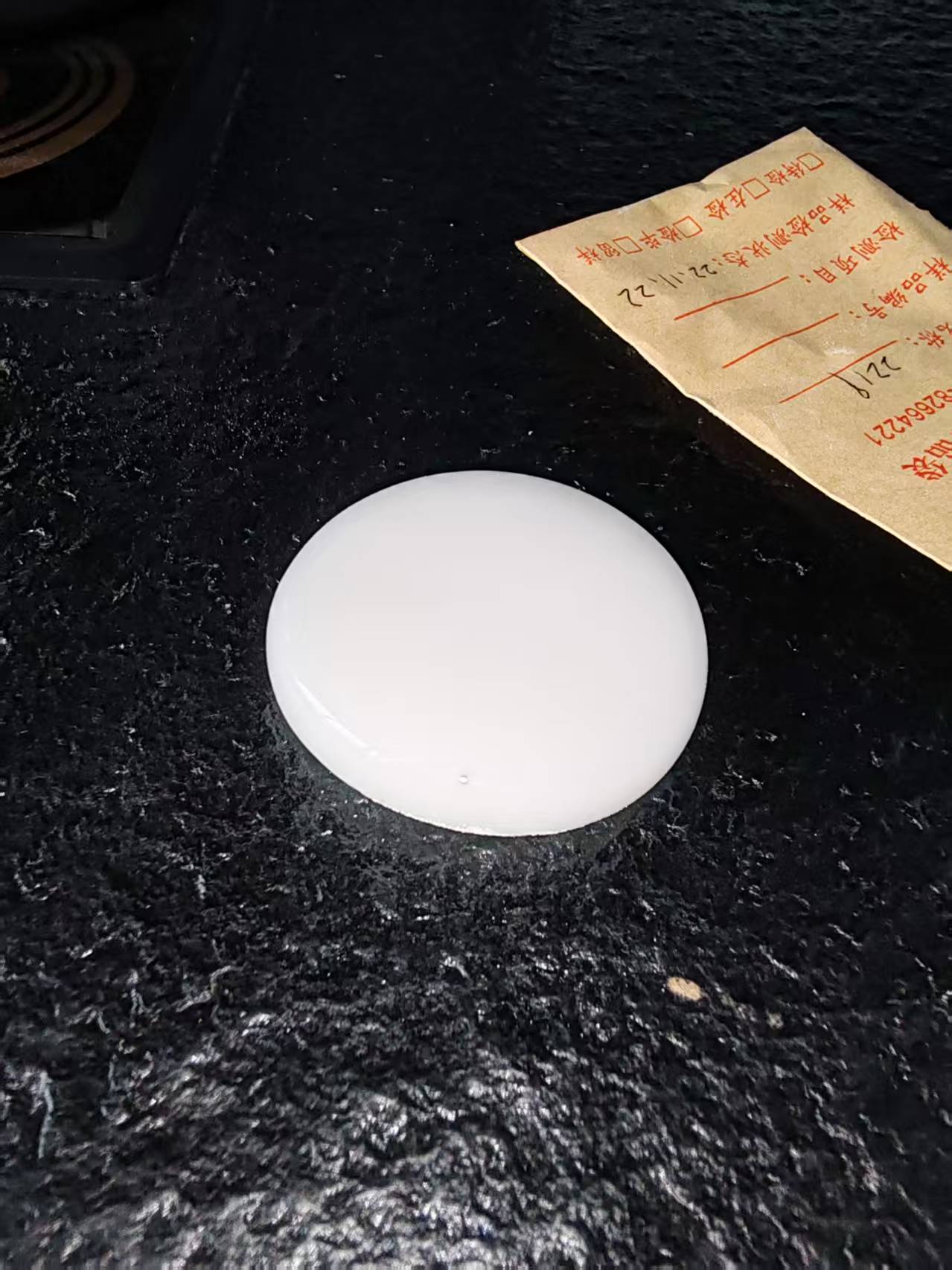
Ceramic glazes and frit: In matte glazes, nepheline promotes controlled devitrification for smooth matte surfaces. In frit production, it provides multiple useful oxides from a single raw material, simplifying batch calculations. In polished glazes, the high alumina contributes to post-firing hardness required for mechanical polishing.
Coatings, polymers, and specialty: Ground nepheline syenite serves as a functional filler in architectural paints (improving scrub resistance and UV protection), polymers (enhancing stiffness and dimensional stability), and vitreous enamel coatings on metal appliances and equipment.
Global Sources: Where Does It Come From?
The world's major commercial nepheline syenite deposits are concentrated in a few locations, each with distinct characteristics:
Canada (Ontario): The Blue Mountain deposit near Peterborough has been the dominant global source for decades. Operated by various companies over the years, Canadian nepheline syenite set the international benchmark for quality. However, long shipping distances make it expensive for Asian and Middle Eastern buyers.
Norway (Stjernoy): Operated by Sibelco, the Norwegian deposit produces premium-grade nepheline syenite marketed for its exceptional geological consistency. Like Canadian material, shipping costs to Asia are substantial.
China (Henan Province): The Jiulongshan deposit in Anyang County — where Ceramic Minerals operates — holds over 120 million tons of verified reserves, making it one of the largest nepheline syenite deposits in the world. Chinese nepheline offers comparable quality to Canadian and Norwegian products (especially when wet-processed) at significantly lower landed cost for Asian, Middle Eastern, and African buyers due to shorter shipping distances and competitive production costs. For procurement managers serving ceramic factories in India, Turkey, Southeast Asia, or the Gulf states, Chinese nepheline from a reputable wet-process producer is typically the most cost-effective option without sacrificing quality.
Russia (Kola Peninsula): Large deposits but limited commercial export activity. Brazil: Growing production capacity serving the domestic ceramic industry.
Wet Process vs Dry Process: The Quality Divide
This is the single most important quality factor buyers should understand. Nepheline syenite ore naturally contains small amounts of iron-bearing minerals (magnetite, biotite, hornblende). How these impurities are removed during processing determines the final product quality — specifically the Fe2O3 content that controls fired whiteness.
Dry processing crushes and grinds ore in its dry state, using air classifiers for particle size control and dry magnetic separators for iron removal. It is cheaper and faster, but the iron removal is incomplete because many iron mineral particles remain physically trapped inside larger mineral grains and cannot be captured by the magnetic field. Typical dry-process Fe2O3: 0.2-0.5%.
Wet processing (used by Ceramic Minerals) grinds the ore in water slurry, which liberates individual mineral particles — including the tiny iron-bearing grains locked inside larger crystals. Multi-stage wet magnetic separation then captures these liberated iron particles far more effectively. Additionally, wet processing avoids the iron contamination from steel grinding mill wear that plagues dry operations. Typical wet-process Fe2O3: 0.08-0.15% from the same ore that produces 0.2-0.5% via dry processing.
For buyers, this means: always ask whether the supplier uses wet or dry processing, and request Fe2O3 data from multiple consecutive production batches (not just the best single result) to verify consistency.
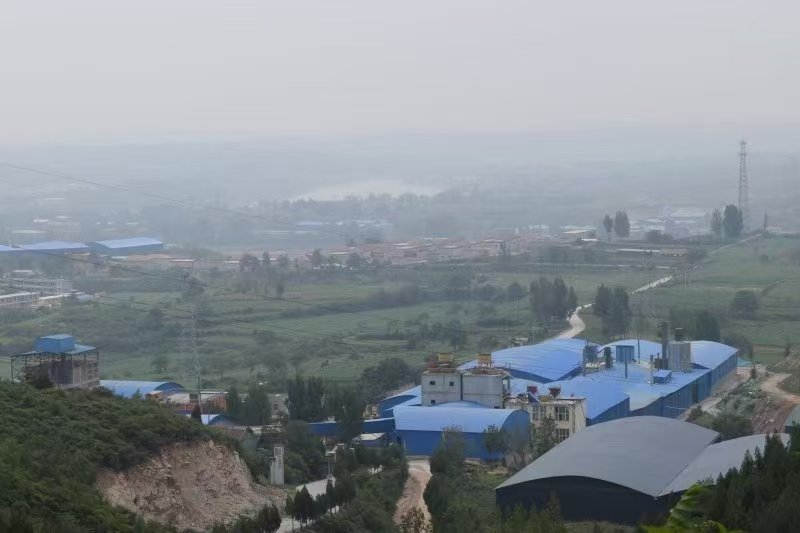
How to Evaluate a Supplier: Buyer's Checklist
When comparing nepheline syenite quotations, look beyond the per-ton price. Here is what experienced procurement professionals evaluate:
Processing method: Wet or dry? Multi-stage magnetic separation or single-pass? This determines the quality ceiling. Fe2O3 consistency: Request COA data from 5-10 consecutive batches. Low average AND low standard deviation = reliable quality. Reserve size: Large reserves (50M+ tons) mean decades of consistent supply from the same deposit. Small reserves risk supply disruption or quality shifts as mining reaches different ore zones. Production capacity: Can they fill your orders without delays? Ask about monthly capacity and current utilization. Export experience: Do they handle international documentation, customs, and offer both FOB and CIF terms? Third-party verification: Do they use independent labs for COA data, or only self-testing?
Our Products for Your Evaluation
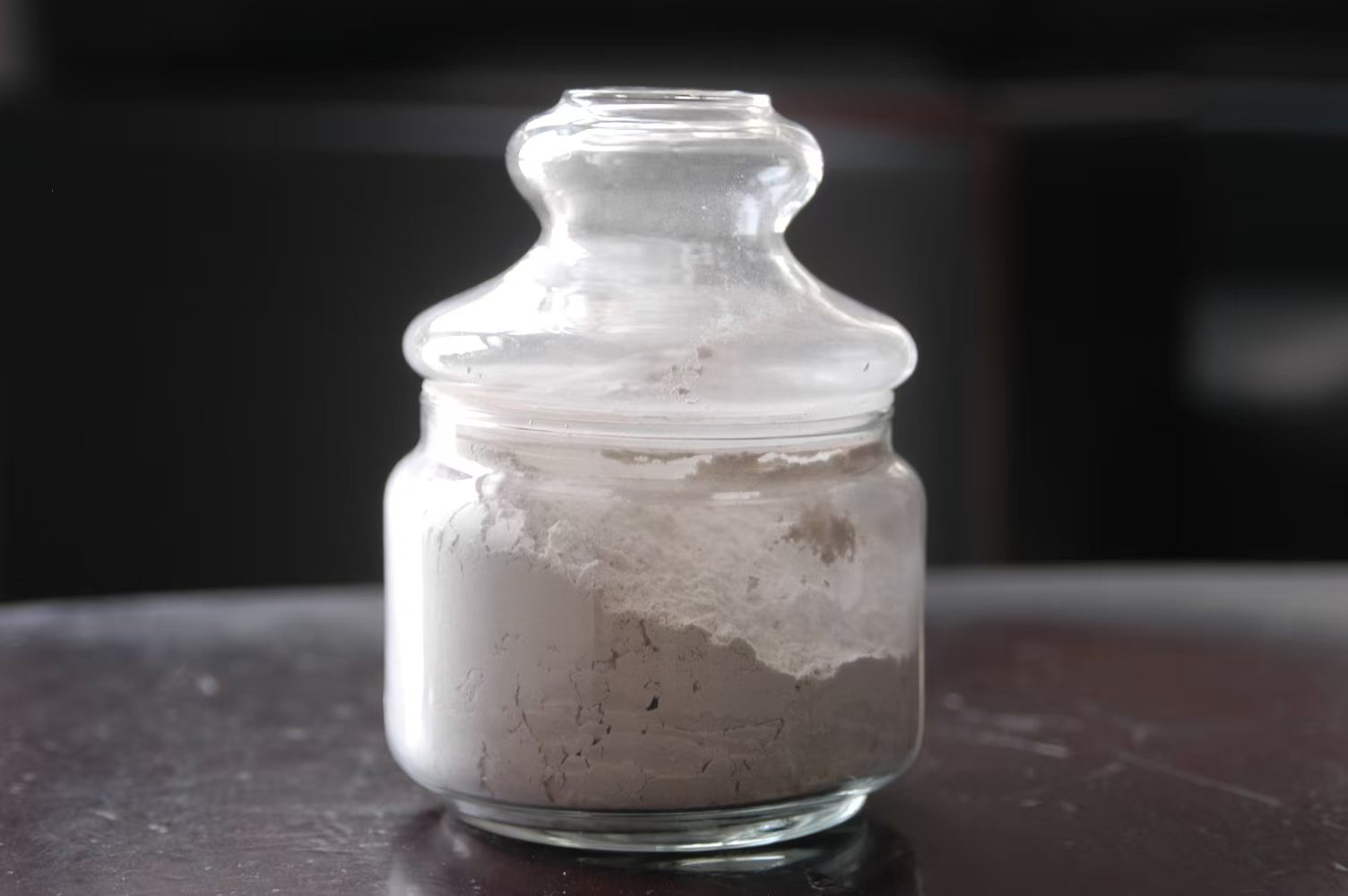
Ceramic Minerals offers three nepheline powder grades and two K-feldspar grades, all wet-processed from our own 120M+ ton quarry in Henan, China. We invite you to request samples (1-5 kg per grade) for your laboratory evaluation. Every shipment includes a COA with independent verification from Foshan Youbo Ceramic Analysis and Testing Co.
GP20 (High Expansion) — Fe2O3 0.14%, K2O 9.24%, CaO 5.34%. Best for matte glazes, frit, expansion matching.
K200 (Ultra White) — Fe2O3 0.08%, 200 mesh. Our whitest grade for premium porcelain and tableware.
K100 (Standard) — Fe2O3 0.12%, 100 mesh. Best cost-performance for general tile production.
Ready to evaluate? Contact us: andy@ceramicminerals.com · WhatsApp 0086-132 6813 3001