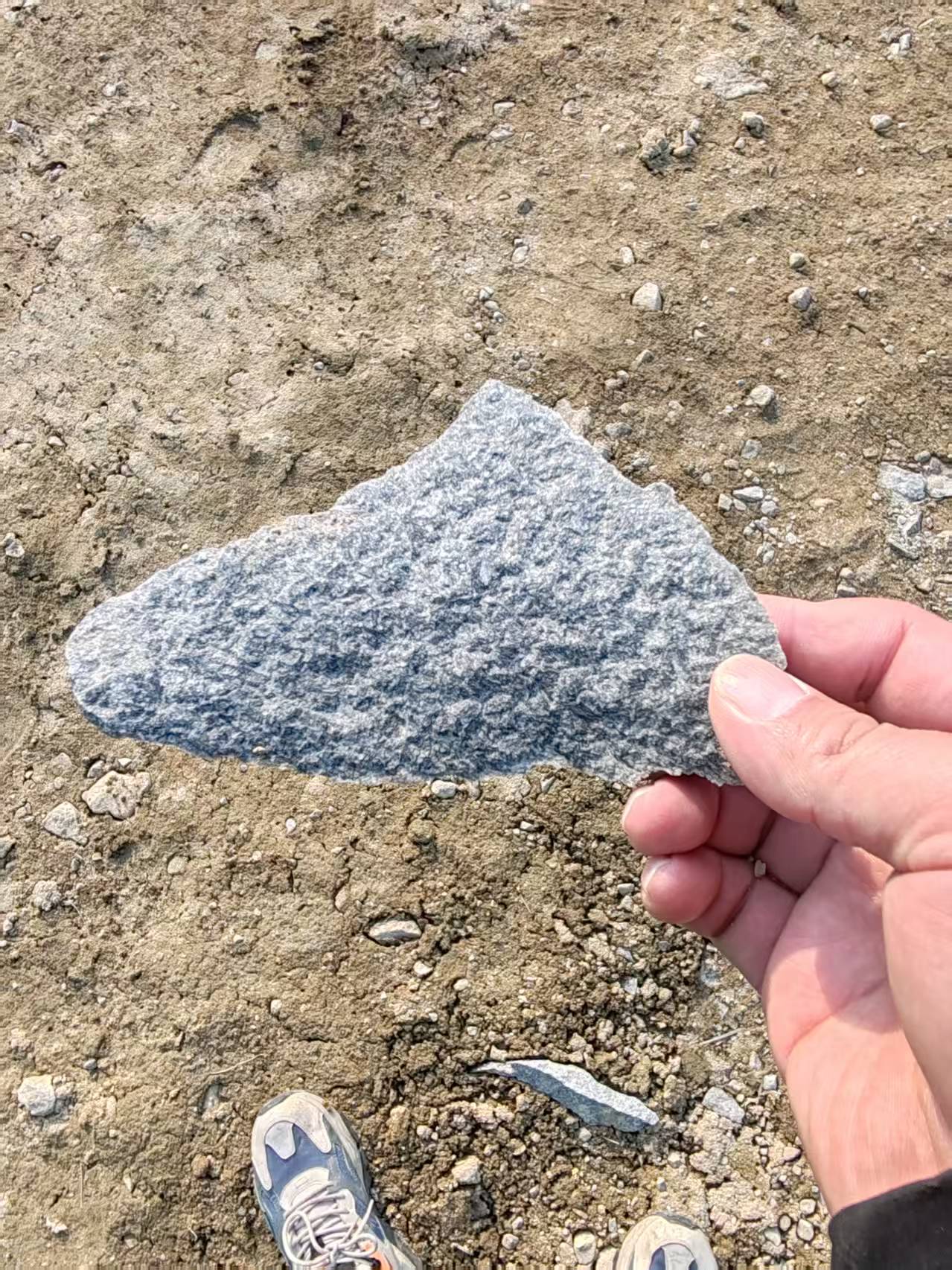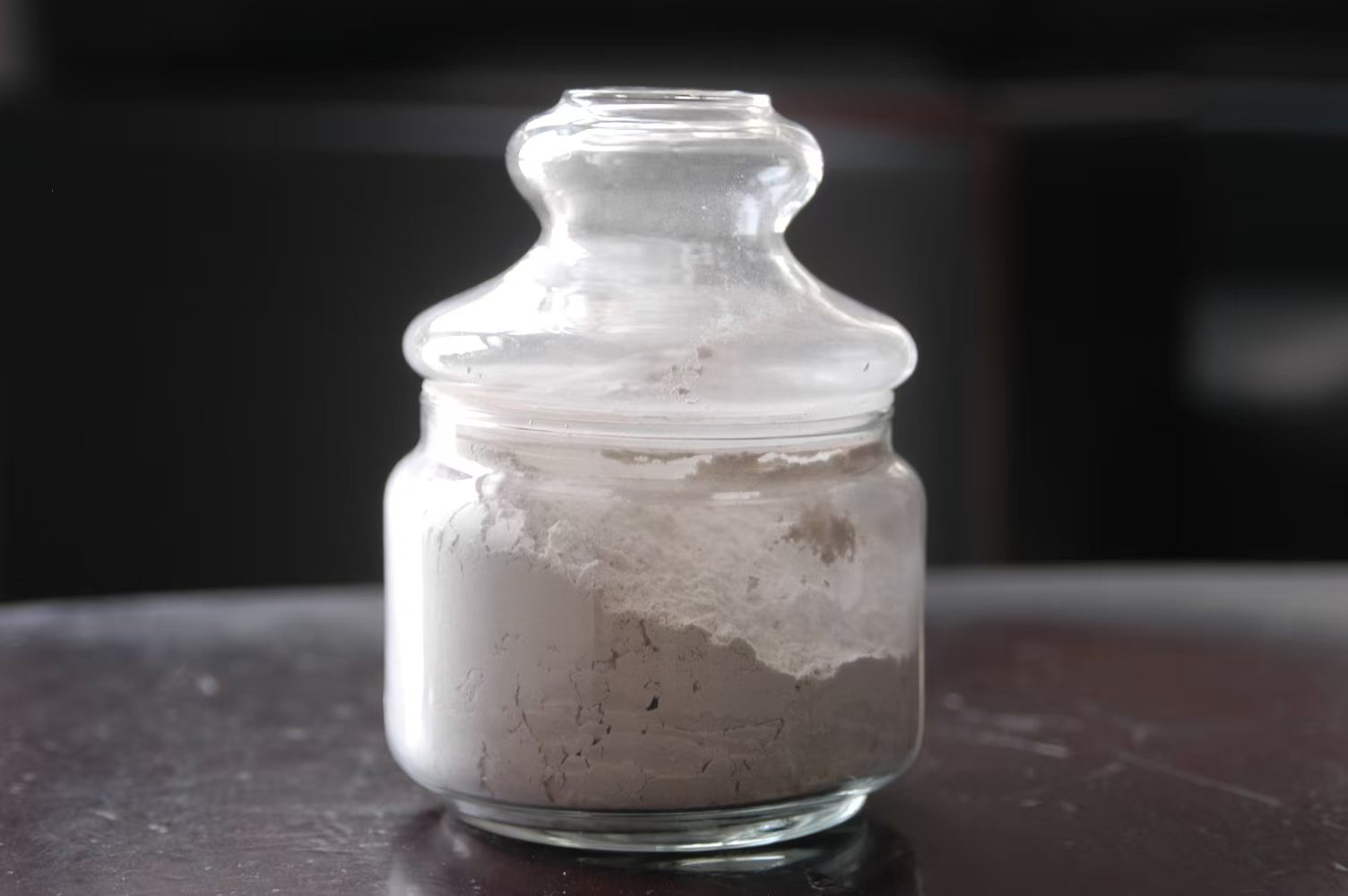
Switching from feldspar to nepheline syenite in your ceramic body formulation is one of the highest-return changes a tile manufacturer can make — delivering lower firing temperatures, higher body strength, and improved whiteness. But it is not a simple 1:1 substitution. Nepheline is a more concentrated flux than feldspar, so using the same weight percentage will over-flux your body. This guide provides the calculation method and practical steps for a smooth conversion.
Why Not 1:1 Substitution?
Nepheline syenite contains 12-16% total alkali (Na2O + K2O) versus 8-14% for feldspar. It also contains more alumina (20-24% vs 17-19%). If you replace 25% feldspar with 25% nepheline by weight, the total flux in your formulation increases by approximately 20-30%, and the alumina increases by approximately 15-25%. The result: your firing temperature drops significantly (possibly 40-60 degrees C too far), water absorption drops below target, and the body may bloat or deform. To avoid this, you need to reduce the nepheline weight compared to the original feldspar weight.
The Conversion Formula
As a starting point, use this simple conversion ratio:
Nepheline weight = Feldspar weight x 0.80 to 0.85
The remaining 15-20% weight is compensated by adding quartz/silica
For example, if your current formula uses 30 kg feldspar per 100 kg batch: Step 1: Calculate nepheline weight: 30 x 0.82 = 24.6 kg nepheline. Step 2: Calculate the weight difference: 30 - 24.6 = 5.4 kg. Step 3: Add this difference as quartz: add 5.4 kg quartz to maintain the same total SiO2 approximately. Step 4: Fine-tune after your first test firing — adjust nepheline up or down by 1-2 kg based on your water absorption and shrinkage results.
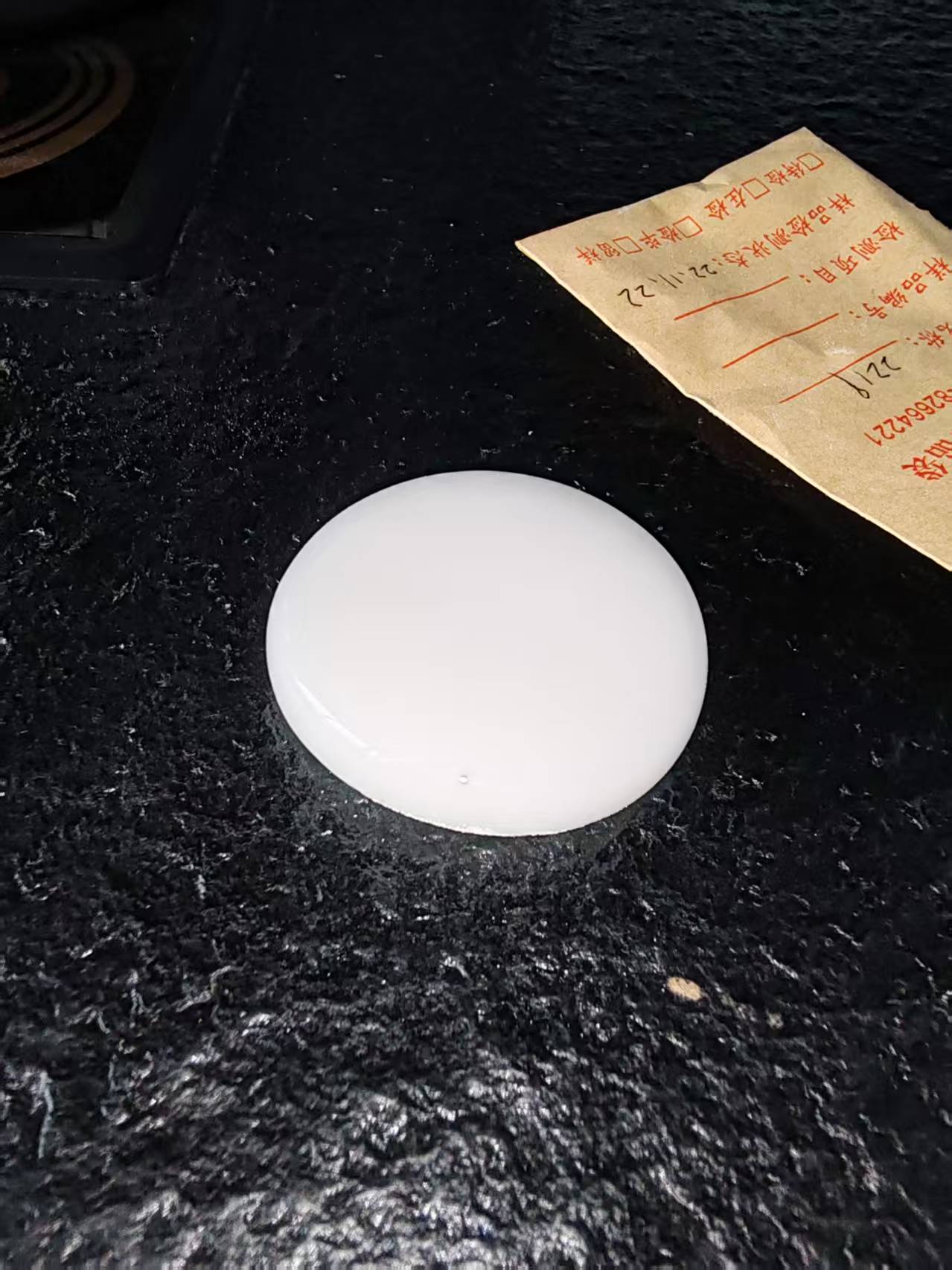
Recommended Trial Protocol
Phase 1 — Lab scale (1 week): Prepare 5 test bodies: your current feldspar formula (control), and 4 variations replacing 25%, 50%, 75%, and 100% of the feldspar with nepheline (using the 0.82 conversion factor). Fire test bars at your standard temperature. Measure water absorption, linear shrinkage, and modulus of rupture. Identify the best-performing substitution level.
Phase 2 — Pilot scale (1-2 weeks): Scale the best formula to your pilot ball mill. Prepare a full body slip and press test tiles at production scale. Fire through your production kiln. Evaluate: water absorption, dimensional accuracy, flatness/warping, fired color/whiteness, breaking strength, and glaze fit (crazing and peeling tests).
Phase 3 — Production transition (2-4 weeks): Gradually transition production — start with 50% nepheline/50% feldspar blend, then move to full nepheline. This gradual approach lets your kiln operators adapt to the slightly different firing behavior without risking production disruptions.
Common Adjustments After Conversion
Reduce firing temperature: You will likely be able to reduce peak temperature by 20-40 degrees C while maintaining the same water absorption — a direct energy cost saving. Adjust quartz content: If water absorption is too low (over-vitrified), increase quartz by 2-3%. If too high (under-vitrified), decrease quartz or increase nepheline by 1-2%. Check glaze fit: If switching nepheline into the body only (keeping feldspar in the glaze), the glaze-body expansion match changes — verify no crazing develops. In most cases the match improves because nepheline increases body expansion slightly, reducing the expansion mismatch with standard glazes.
Need formulation support?
Our technical team helps you optimize your formulation. Samples for lab testing.