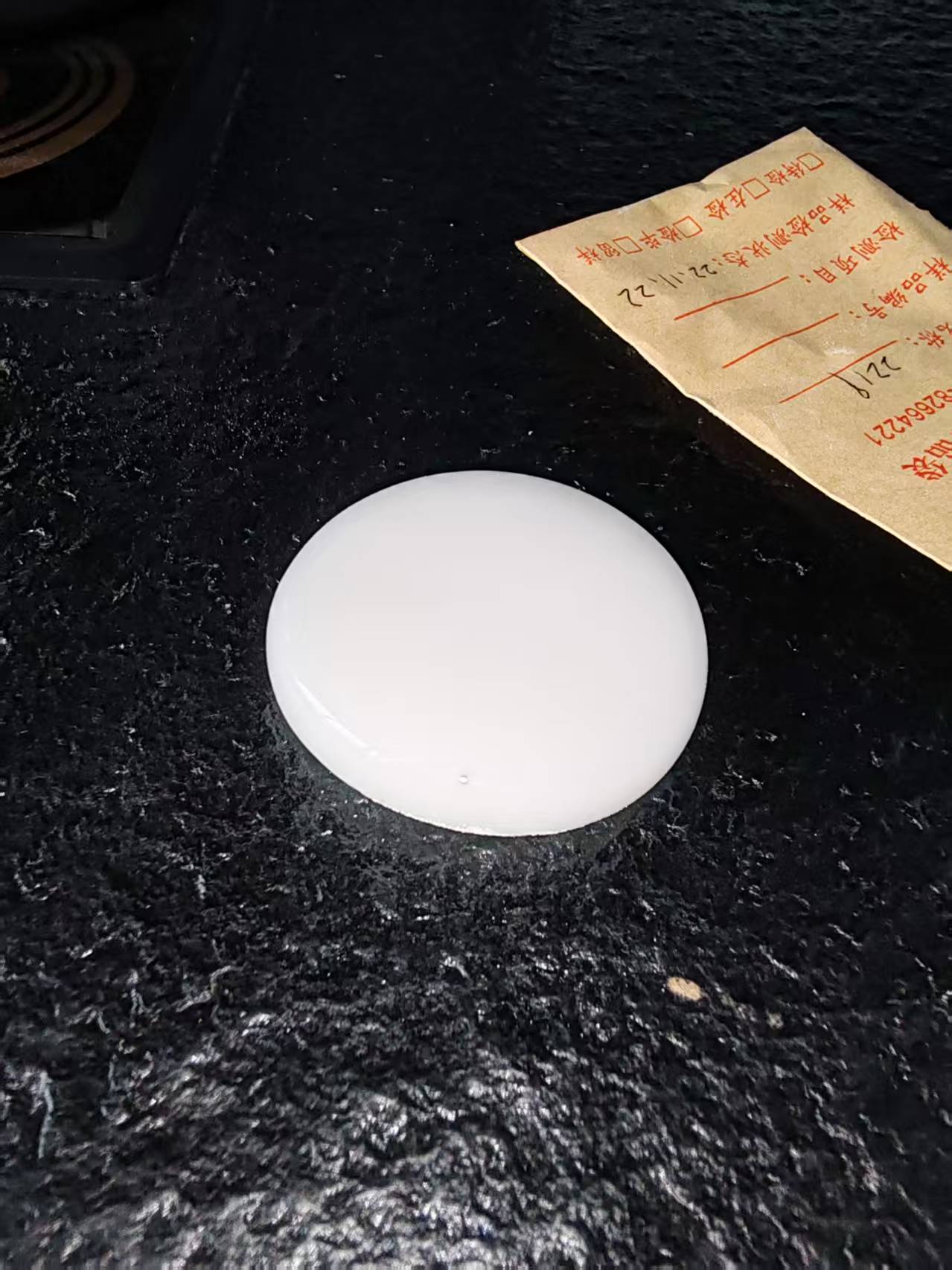
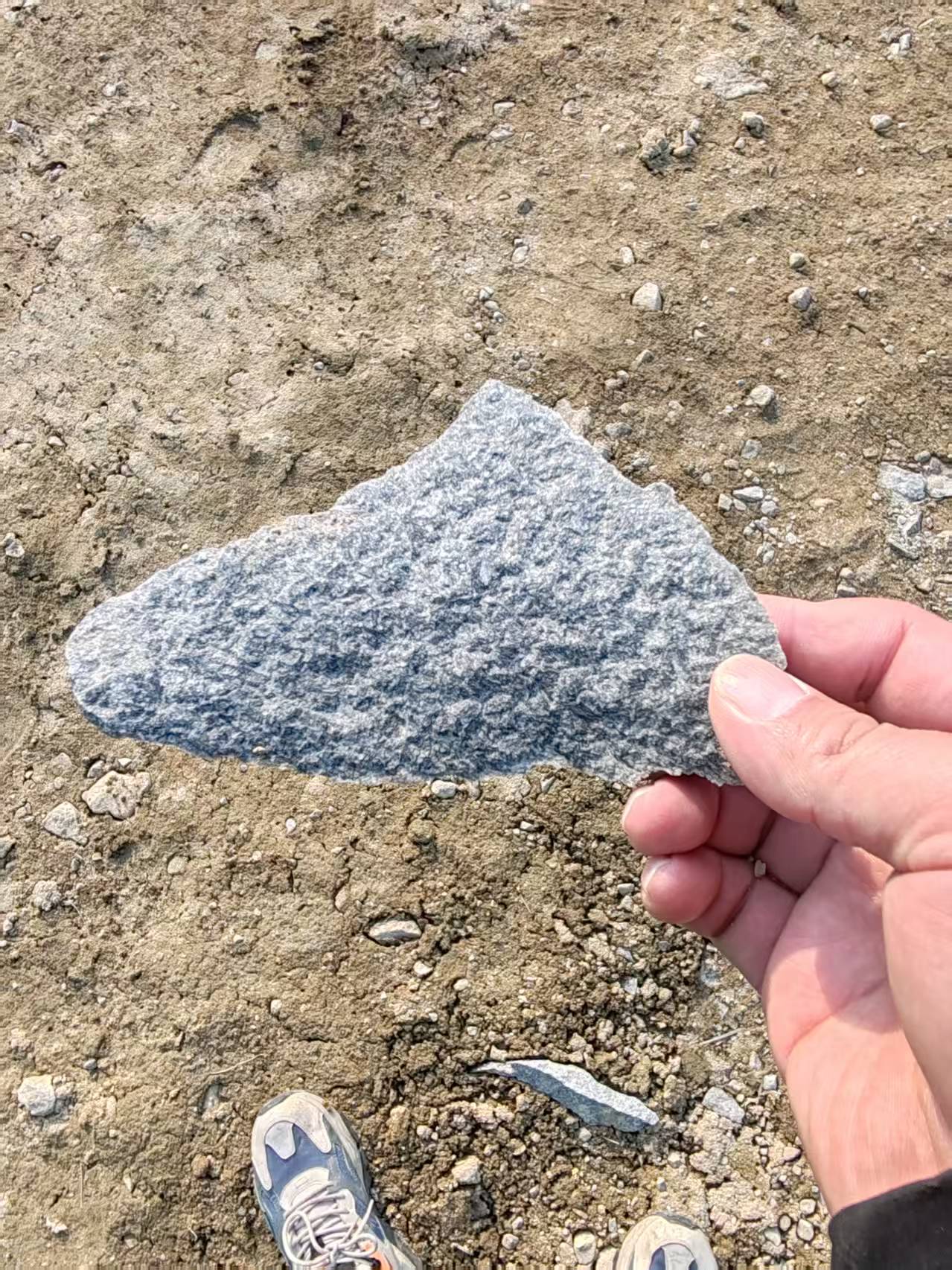
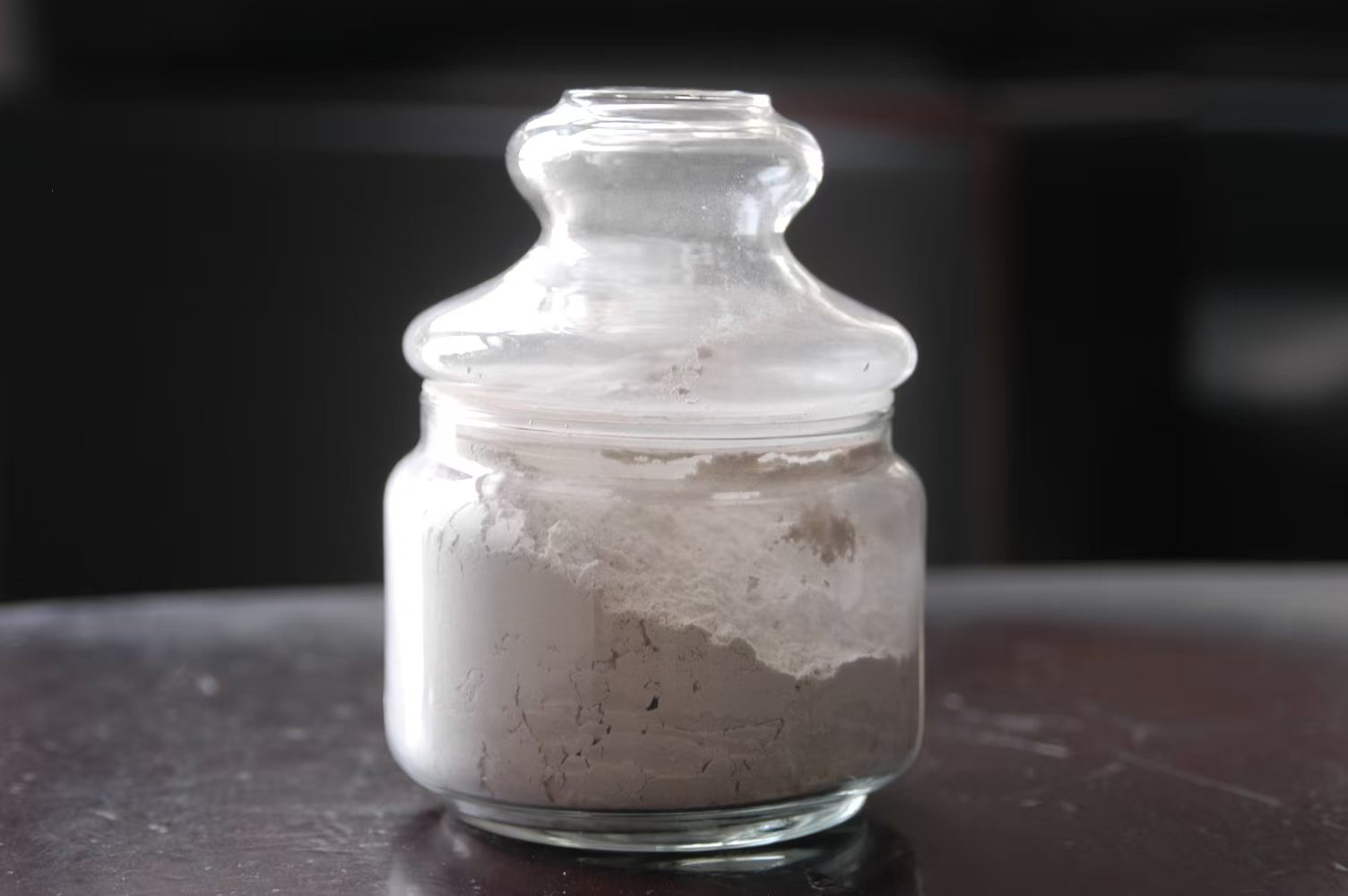
As a procurement manager or ceramic technologist evaluating raw material options, you will inevitably face the nepheline-versus-feldspar decision. Both are flux materials used in ceramics, glass, and industrial applications — but they differ in chemistry, performance, and total cost of ownership in ways that directly affect your production economics. This guide presents the comparison from a buyer's perspective, with the data you need to make the right sourcing decision for your specific application.
Chemical Composition: Side-by-Side
| Property | Nepheline Syenite | K-Feldspar | Na-Feldspar |
|---|---|---|---|
| SiO2 | 55-62% | 64-68% | 65-70% |
| Al2O3 | 20-24% | 17-19% | 18-20% |
| Total Alkali | 12-16% | 10-14% | 8-12% |
| Free Silica | None | Present | Present |
| Melting Onset | Lower | Higher | Medium |
The core difference is concentration: nepheline delivers more of the oxides you actually need (flux and alumina) per ton, while carrying less of the oxide you already have excess of (silica). This is why experienced formulators describe nepheline as "more efficient" than feldspar — it does more work per kilogram in your ceramic body or glass batch.
Performance Comparison in Ceramic Bodies
Firing temperature: Replacing feldspar with nepheline syenite in a ceramic body typically lowers the vitrification temperature by 30-50 degrees C. In a roller kiln operating at 1180-1220 degrees C, this translates to measurable energy savings — typically 5-10% of gas consumption. For a factory producing 10 million square meters of tiles annually, this is a significant operating cost reduction.
Fired strength: The higher Al2O3 from nepheline (20-24% vs 17-19% from feldspar) directly increases the mechanical strength of the fired ceramic body. Independent testing consistently shows 10-20% higher modulus of rupture when nepheline replaces an equivalent amount of feldspar in the same formulation.
Firing range: Nepheline provides a significantly wider temperature range between initial vitrification and over-firing (bloating). This wider "firing window" makes production more tolerant of kiln temperature variations — especially important for large kilns where temperature uniformity across the width can vary by 10-20 degrees C. The practical result is fewer rejects and higher first-pass yield.
Water absorption: For porcelain-grade tiles requiring absorption below 0.5%, nepheline achieves this target more easily than feldspar at the same firing temperature, due to its stronger fluxing action. This enables either lower firing temperatures (energy savings) or more complete vitrification at the same temperature (better product quality).
Performance in Glazes: A More Nuanced Story
In glazes, the comparison is less one-sided. Nepheline produces a more fluid melt due to its higher alkali content — good for surface quality but potentially problematic for glaze fit. The higher Na2O and K2O in nepheline increase the glaze thermal expansion coefficient, which can cause crazing (fine cracks) if the glaze expansion exceeds the body expansion. Feldspar, with its higher SiO2 and lower alkali, produces a lower-expansion glaze that is easier to fit to standard ceramic bodies.
This is why many experienced ceramic plants use nepheline in the body (for its fluxing and strengthening benefits) and feldspar in the glaze (for its lower expansion and easier fit) — getting the best of both materials. Some plants use a blend of nepheline and feldspar in both body and glaze, adjusting ratios to balance flux power against expansion control.
True Cost Comparison: Beyond Per-Ton Price
Buyers who compare materials solely on per-ton price will consistently make suboptimal decisions. The correct comparison metric is cost per unit of useful oxide delivered to your formulation. Because nepheline provides 20-30% more alkali and 15-25% more alumina per ton than feldspar, you need fewer tons of nepheline to achieve the same ceramic result. When you factor in the reduced material quantity, the energy savings from lower firing temperature, and the improved yield from wider firing range, the total cost of ownership for nepheline is typically equal to or lower than feldspar — despite a potentially higher per-ton price.
The calculation varies by application, but here is a representative example for a porcelain tile body: if replacing 25% of the feldspar with nepheline allows you to reduce firing temperature by 40 degrees C, you save approximately 7% on gas costs. If the wider firing range reduces rejects by 2%, you save the full production cost of those rejected tiles. These savings can easily exceed any raw material cost premium.

When to Choose Nepheline
Choose nepheline syenite when: you need to lower firing temperature (energy savings); your product requires high mechanical strength; you need a wider firing range for production reliability; you produce porcelain or fully vitrified products requiring complete densification; your product requires ultra-white body color (with wet-processed nepheline); or your formulation needs more flux without increasing thermal expansion excessively (use nepheline in body, feldspar in glaze).
When to Choose Feldspar
Choose feldspar when: glaze thermal expansion matching is your primary concern; your formulation specifically requires high SiO2 content; you produce low-temperature earthenware where nepheline provides too much flux; or the absolute lowest raw material cost per ton is your only criterion (though total cost of ownership may still favor nepheline as calculated above).
Our Recommendation for Buyers
For most ceramic tile, sanitary ware, and tableware applications, wet-processed nepheline syenite provides measurably better performance and comparable or lower total cost versus feldspar. We recommend requesting samples of both our nepheline grades and our K-feldspar grades to run comparative tests in your own laboratory with your specific formulation and kiln conditions. The test results will give you the most accurate comparison for your specific situation.
Request samples: andy@ceramicminerals.com · WhatsApp 0086-132 6813 3001