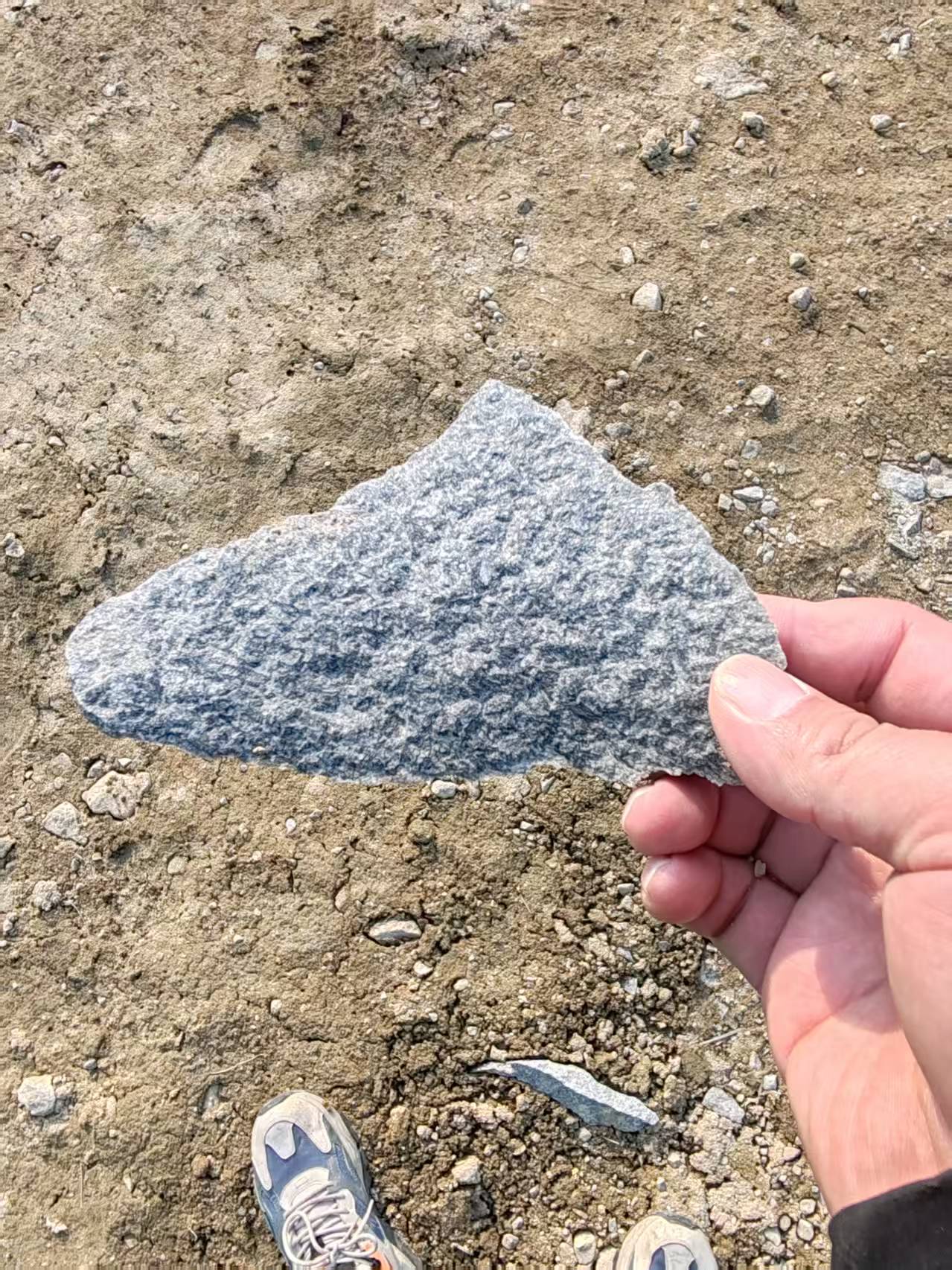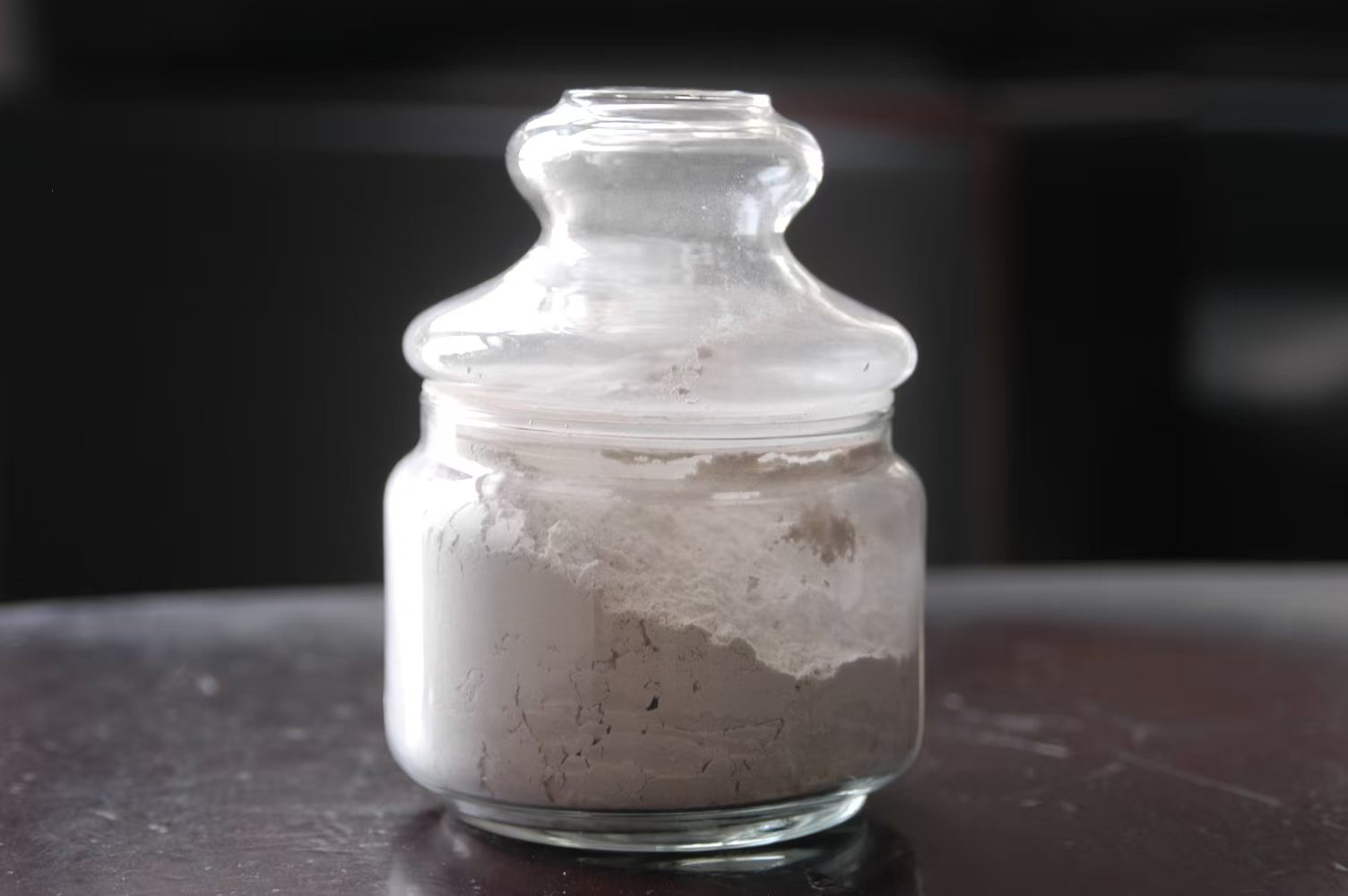
One of the most common questions we receive from ceramic engineers evaluating nepheline syenite for the first time is: how much should I use? The answer depends on your tile type, firing conditions, and target properties. This guide provides practical percentage ranges based on real production experience from ceramic factories worldwide, giving you a reliable starting point for your own laboratory trials.
Nepheline Percentage by Tile Type
| Tile Type | Nepheline % | Water Abs. | Firing Temp | Grade |
|---|---|---|---|---|
| Porcelain floor tile | 25-30% | <0.5% | 1180-1210C | K200 |
| Standard floor tile | 18-25% | 0.5-3% | 1160-1200C | K100 |
| Wall tile | 10-18% | 6-15% | 1080-1140C | K100 |
| Large format slab | 25-32% | <0.1% | 1190-1220C | K200 |
| Rustic tile | 15-22% | 1-6% | 1140-1180C | K100/GP20 |
| Ceramic plank | 22-28% | <0.5% | 1170-1200C | K200 |
Why the Range Varies
Clay type matters: If your local clay is already relatively fusible (high in alkali or iron), you need less nepheline. If using refractory clays (high alumina, low alkali), you need more nepheline to achieve the same vitrification. Firing cycle matters: Fast-firing kilns (40-60 minute cycles) need more aggressive fluxing (higher nepheline %) because there is less time for reactions to complete. Longer firing cycles allow the same vitrification with lower nepheline content. Target properties matter: If you need water absorption below 0.1% (premium porcelain), use the upper end of the range. If 1-2% absorption is acceptable, use the lower end to save cost.
Substitution Ratio: Replacing Feldspar with Nepheline
If you are currently using feldspar and want to switch to nepheline, do NOT substitute 1:1 by weight. Nepheline is a more concentrated flux — you need roughly 15-20% less nepheline by weight to achieve the same fluxing effect as feldspar. For example, if your current recipe uses 30% feldspar, start your nepheline trials at 24-26%. Then adjust based on your fired test results. Our conversion guide provides detailed calculation methods.
How to Run Your First Trial
Step 1: Request samples from us (K200 and K100, 5 kg each). Step 2: Prepare 3 test bodies — your current formula (control), current formula with nepheline replacing 50% of the feldspar, and current formula with nepheline replacing 100% of the feldspar. Adjust total nepheline to 85% of the feldspar weight being replaced. Step 3: Fire all three at your standard temperature and 20 degrees C lower. Step 4: Measure water absorption, shrinkage, and MOR (modulus of rupture) on all samples. Step 5: Evaluate whiteness visually and by spectrophotometer if available. The results will clearly show the optimal nepheline percentage for your conditions.
Need formulation support?
Our technical team helps you optimize your formulation. Samples for lab testing.