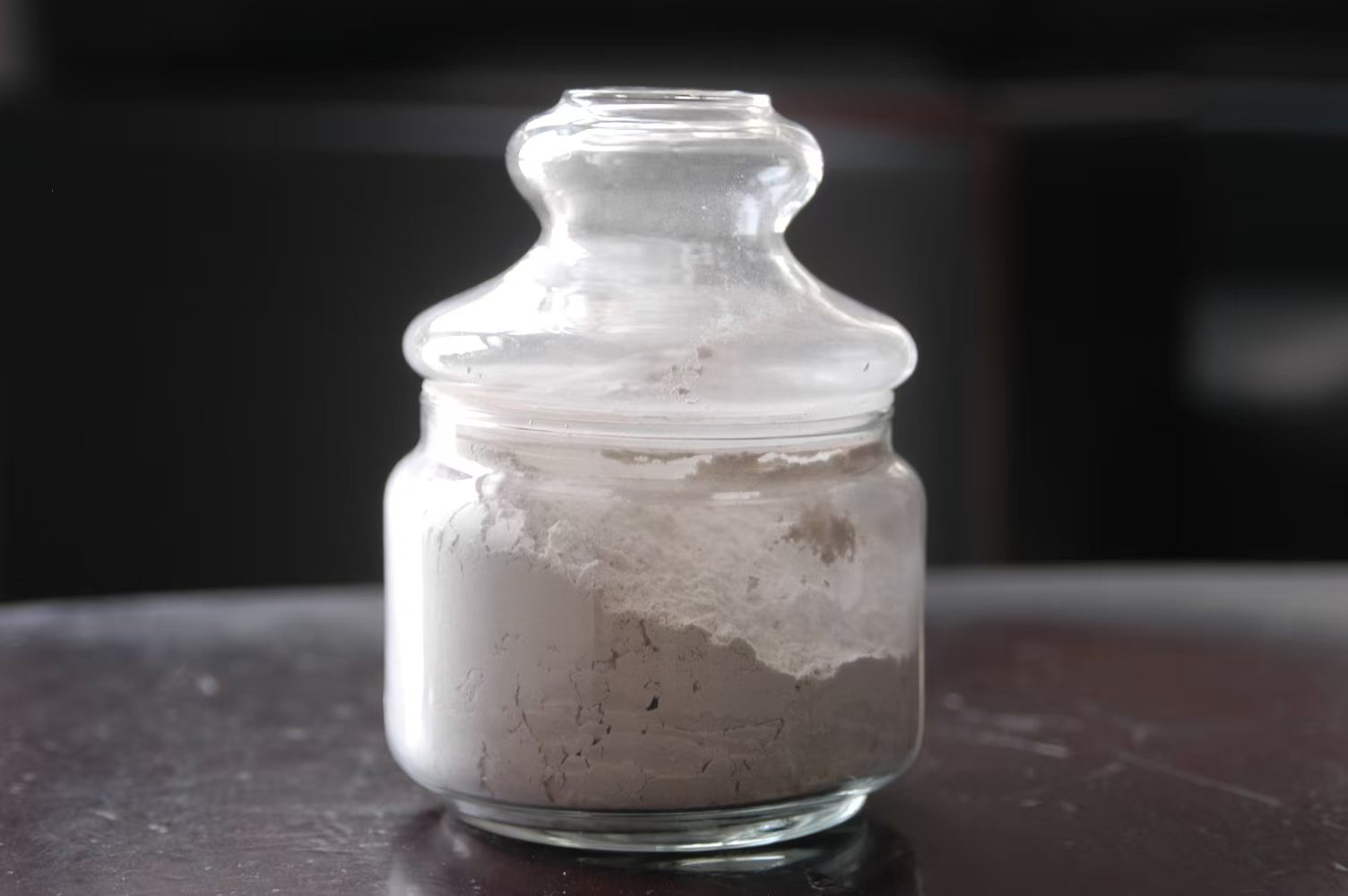
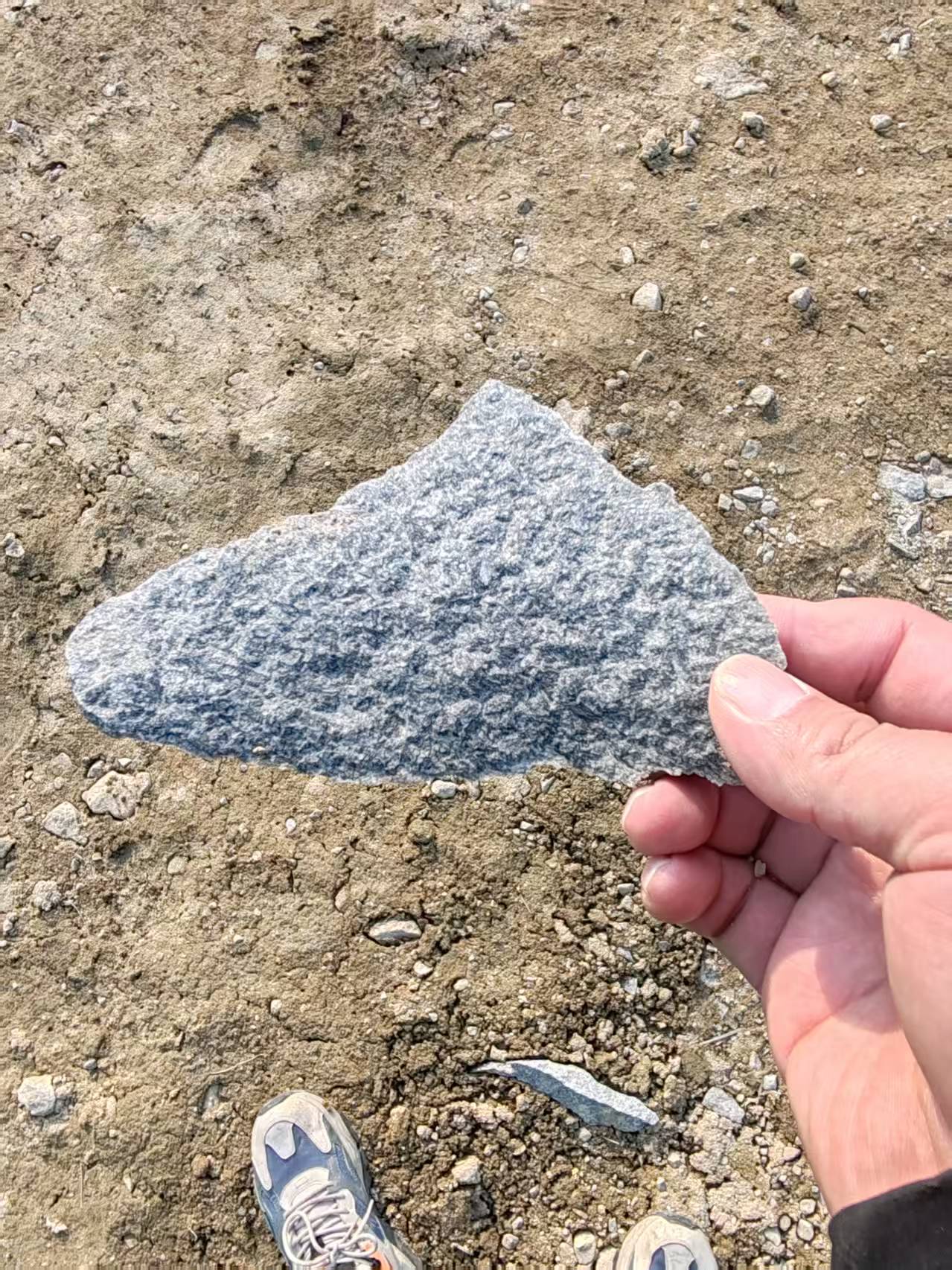
Firing whiteness is the single most important quality metric for ceramic raw materials intended for white or light-colored products. As a buyer, understanding how whiteness is measured, what chemical factors control it, and — critically — how to verify supplier quality claims through your own testing, will protect you from paying premium prices for sub-premium material. This guide covers everything procurement professionals and ceramic technologists need to know.
What Is Firing Whiteness and Why Does It Matter?
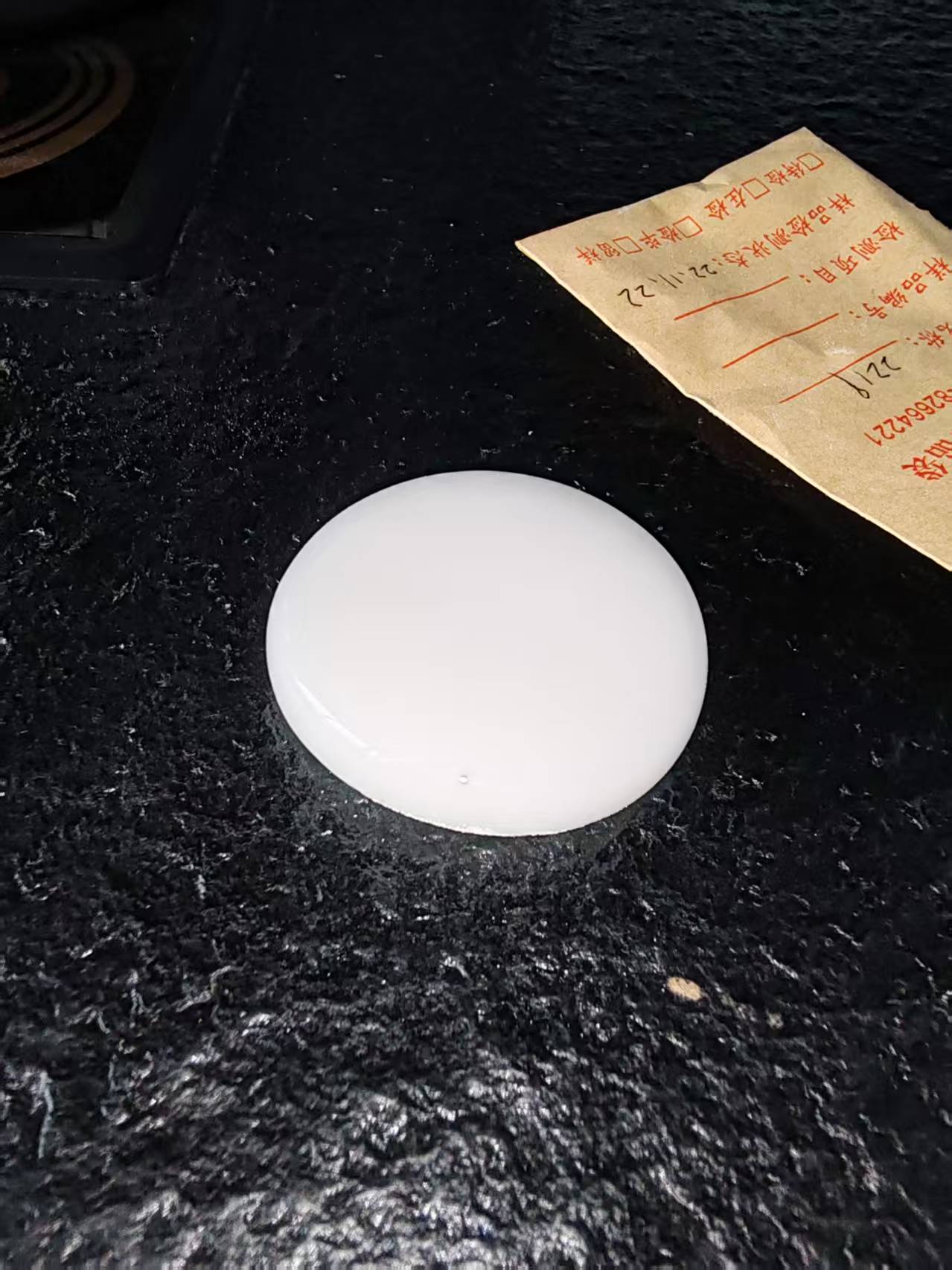
Firing whiteness measures the color of a ceramic material after it has been fired at a specified temperature — typically 1200 degrees C for standard ceramic testing. The measurement is made using a calibrated spectrophotometer, usually reporting results in the CIE L*a*b* color space. In this system, L* represents lightness on a 0-100 scale (0=pure black, 100=pure white), a* represents the green-red axis, and b* represents the blue-yellow axis. For raw materials, the key numbers are: high L* (above 85 for premium white ceramics), low absolute a* (close to zero — no green or red tint), and low positive b* (minimal yellow tint). Some laboratories report a single "whiteness index" on a 0-100 scale instead.
Why does this matter commercially? Because fired body color directly determines the range of glaze colors your ceramic factory can produce. A white body accepts any glaze color faithfully — from pure white to vivid reds and blues. A yellowish body shifts all glaze colors warm, limiting your product range and requiring thicker opaque glazes to mask the body color. For premium porcelain, tableware, and white-bodied tiles, firing whiteness is a non-negotiable quality parameter that directly affects your final product value.
The Chemistry Behind Whiteness: Fe2O3 and TiO2
Iron oxide (Fe2O3) is the primary colorant in ceramic raw materials. In the oxidation firing atmosphere used by most commercial kilns, Fe2O3 absorbs blue-violet wavelengths and transmits yellow-red wavelengths, producing colors ranging from cream to yellow to brown depending on concentration. The relationship between Fe2O3 content and whiteness is not linear — the first 0.1% of iron causes a disproportionately large color shift. This is why the difference between 0.08% Fe2O3 (our K200) and 0.15% Fe2O3 (a typical dry-processed product) is clearly visible in the fired ceramic, even though the absolute difference seems small.
Practical Fe2O3 targets for buyers: below 0.1% for premium white porcelain and fine tableware; below 0.15% for standard white tiles and sanitary ware; below 0.3% for general-purpose ceramics where whiteness is secondary; above 0.3% only for dark or colored products where body whiteness is irrelevant.
Titanium dioxide (TiO2) is the second most important colorant impurity. Pure TiO2 is actually white (it is used as a white pigment in paints), but in ceramic materials containing iron, TiO2 acts as a powerful color intensifier — it makes the iron-derived yellowing noticeably worse. This synergistic effect means that a material with 0.10% Fe2O3 and 0.10% TiO2 will fire significantly more yellow than a material with 0.10% Fe2O3 and 0.03% TiO2. Experienced buyers always check both Fe2O3 AND TiO2 on the Certificate of Analysis. Our products maintain TiO2 below 0.05% across all grades.
The Standard Testing Procedure
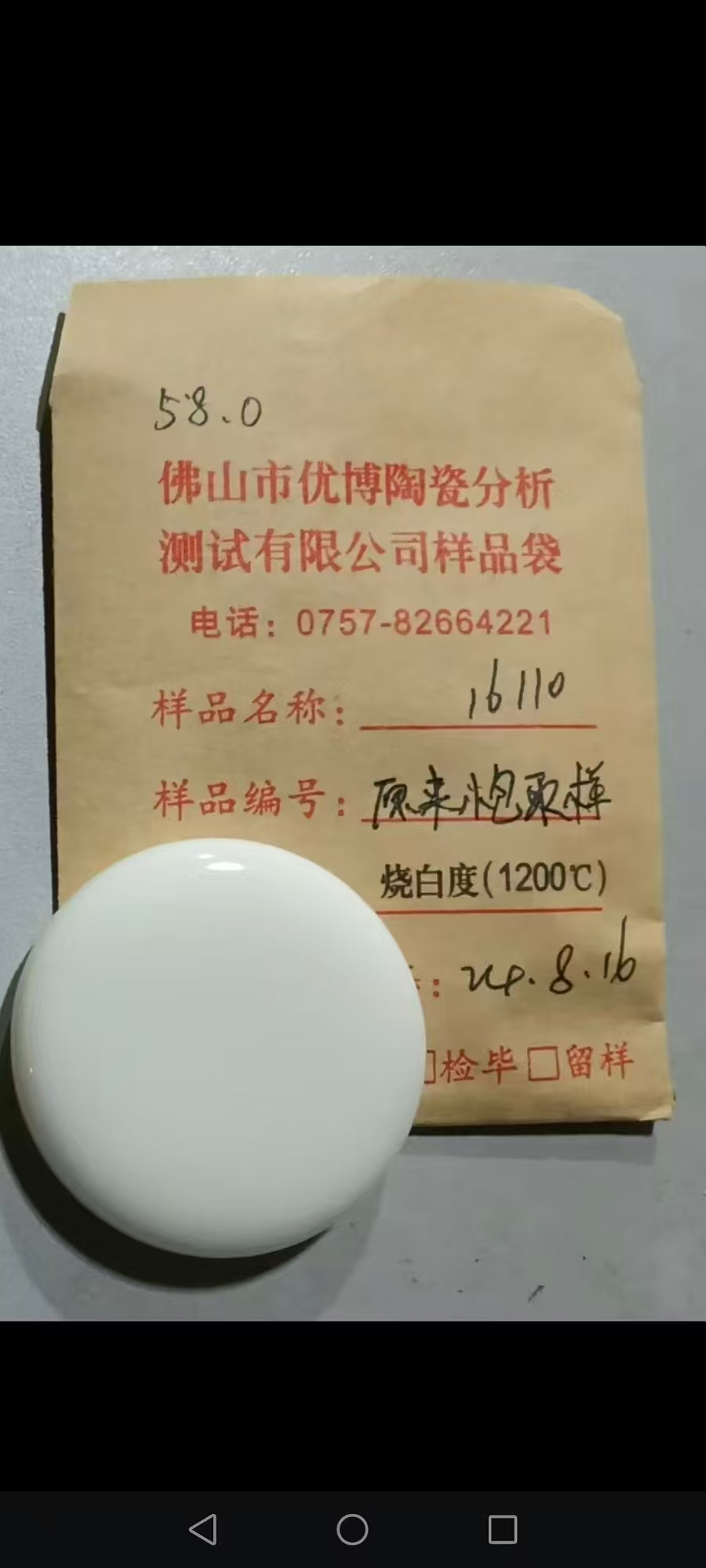
The standard procedure for evaluating raw material firing whiteness involves: (1) pressing a disc of the raw material powder — typically 5 grams pressed at controlled pressure in a standard die to produce a disc approximately 30-40mm in diameter; (2) firing the disc in an electric laboratory kiln at 1200 degrees C with a standardized heating rate (typically 5-10 degrees C per minute) and a 30-60 minute hold at peak temperature, in an oxidizing atmosphere; (3) cooling to room temperature; and (4) measuring the fired disc surface with a calibrated spectrophotometer following the CIE L*a*b* protocol.
For buyers evaluating new suppliers, we strongly recommend performing this test in your own laboratory or commissioning it from an independent lab. Do not rely solely on the whiteness values reported in a supplier's marketing materials — these may represent best-case results rather than typical production quality. When we supply samples, we encourage customers to test them independently and compare results with our COA data. Consistent agreement between our reported values and customer test results builds the trust that long-term supply relationships require.
How to Verify Supplier Quality Claims
As a procurement professional, here is a practical verification protocol: (1) Request samples of 1-5 kg per grade you are evaluating. (2) Press and fire test discs in your own lab following the procedure above. (3) Compare your measured whiteness values with the supplier COA. They should agree within normal measurement uncertainty (L* plus or minus 1-2 units). (4) Request COA data from at least 5 consecutive production batches to assess consistency — not just a single result. (5) Check that the COA includes independent third-party verification, not just self-testing. At Ceramic Minerals, every export shipment can include independent testing from Foshan Youbo Ceramic Analysis and Testing Co. (6) For ongoing supply, establish incoming quality inspection by testing every received shipment against the agreed specification. One batch tested upon arrival catches any problems before they enter your production line.
Why Wet Processing Achieves Better Whiteness
The processing method used to produce nepheline syenite or feldspar powder is the primary determinant of achievable whiteness. Wet processing liberates iron mineral particles from larger mineral grains through water-based grinding, then captures them through multi-stage magnetic separation. This achieves Fe2O3 levels 2-5 times lower than dry processing from the same ore. Our K200 grade achieves 0.08% Fe2O3 through this wet process — delivering firing whiteness values that match premium imported nepheline from Canada and Norway at competitive pricing for Asian markets.
Request Samples for Your Testing
We provide samples (1-5 kg per grade) for laboratory evaluation, shipped worldwide. Each sample comes with our COA for comparison with your own test results. Contact us: andy@ceramicminerals.com · WhatsApp 0086-132 6813 3001