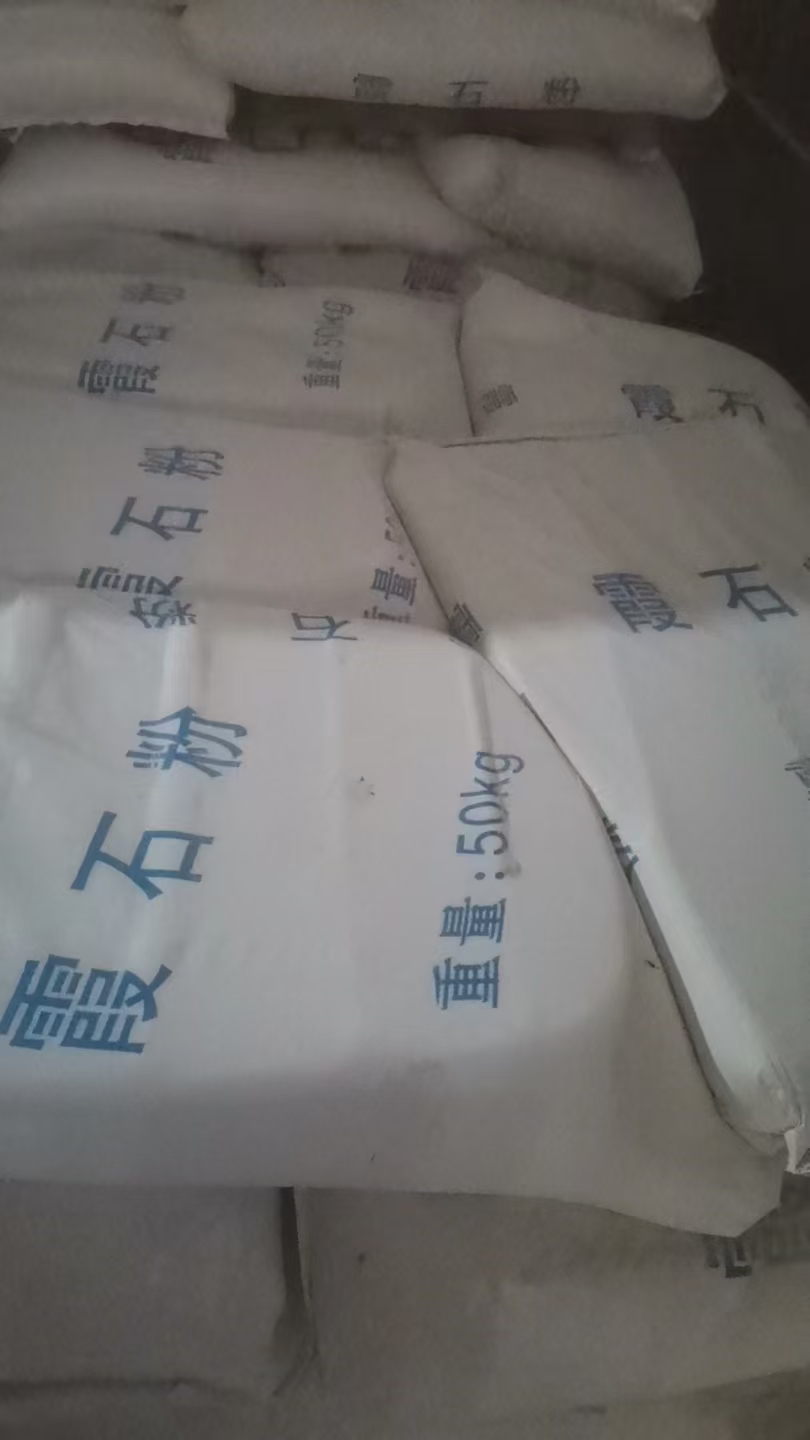
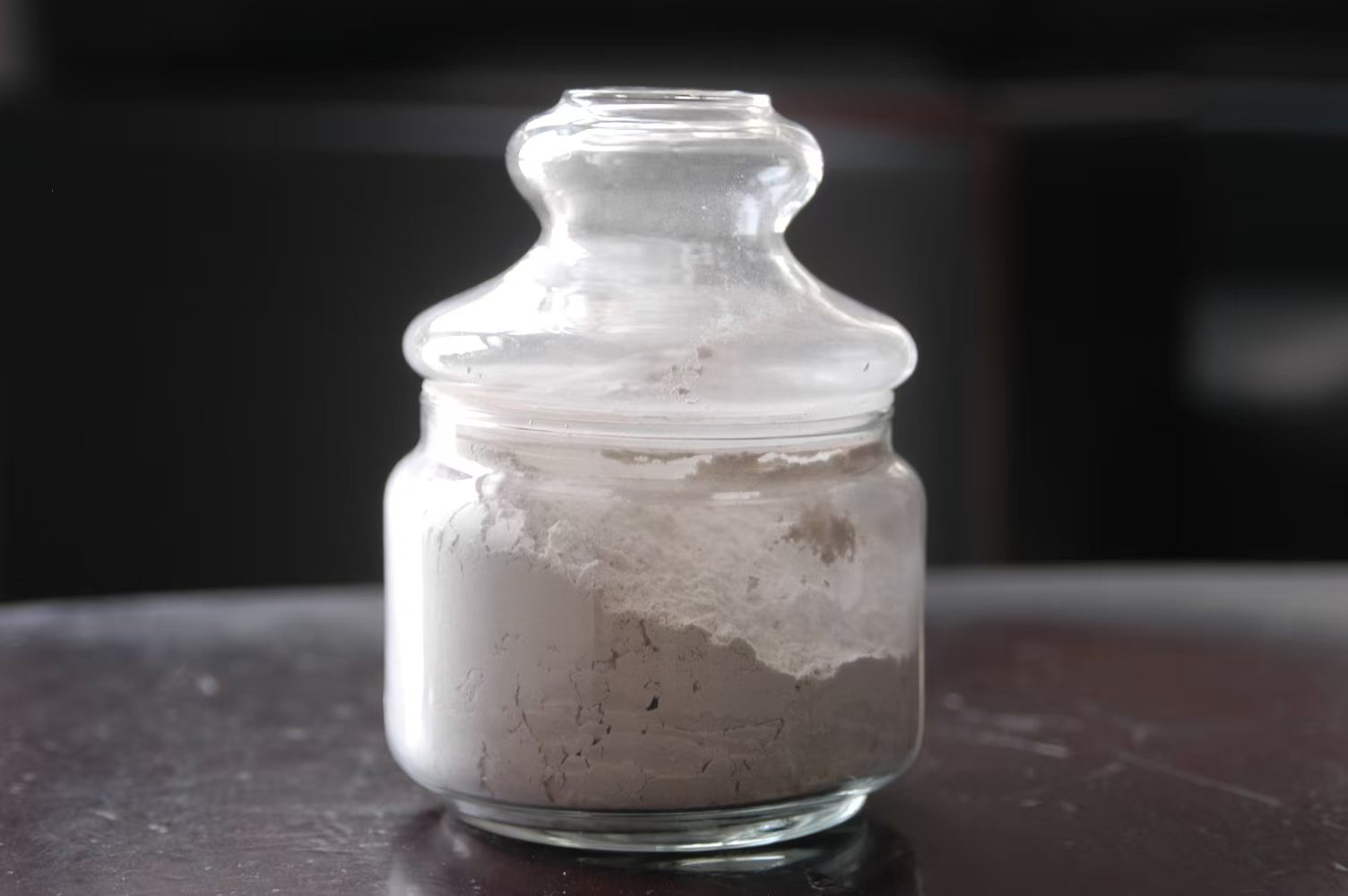
Poor glaze adhesion — where the glaze chips, flakes, or peels from the body surface — results from inadequate chemical and mechanical bonding at the glaze-body interface.
Poor glaze adhesion — where the glaze chips, flakes, or peels from the body surf
The flux in both body and glaze affects this bond: insufficient body vitrification leaves a rough, porous surface that the glaze cannot properly wet; mismatched expansion puts the interface under stress; and poor engobe composition creates a weak intermediate layer. Solutions: increase nepheline in the body by 2-3% to improve surface vitrification for better glaze wetting; ensure the engobe contains adequate flux (15-20% nepheline K200) for proper maturation; check expansion compatibility between body and glaze using our expansion matching recommendations (nepheline in body + K-feldspar in glaze)
For sanitaryware where glaze adhesion is safety-critical, our combination of K200 in the body + SY101 in the glaze provides proven reliable bonding.
See product recommendations below
Understanding This Defect
The flux in both body and glaze affects this bond: insufficient body vitrification leaves a rough, porous surface that the glaze cannot properly wet; mismatched expansion puts the interface under stress; and poor engobe composition creates a weak intermediate layer. Solutions: increase nepheline in the body by 2-3% to improve surface vitrification for better glaze wetting; ensure the engobe contains adequate flux (15-20% nepheline K200) for proper maturation; check expansion compatibility between body and glaze using our expansion matching recommendations (nepheline in body + K-feldspar in glaze). For sanitaryware where glaze adhesion is safety-critical, our combination of K200 in the body + SY101 in the glaze provides proven reliable bonding..
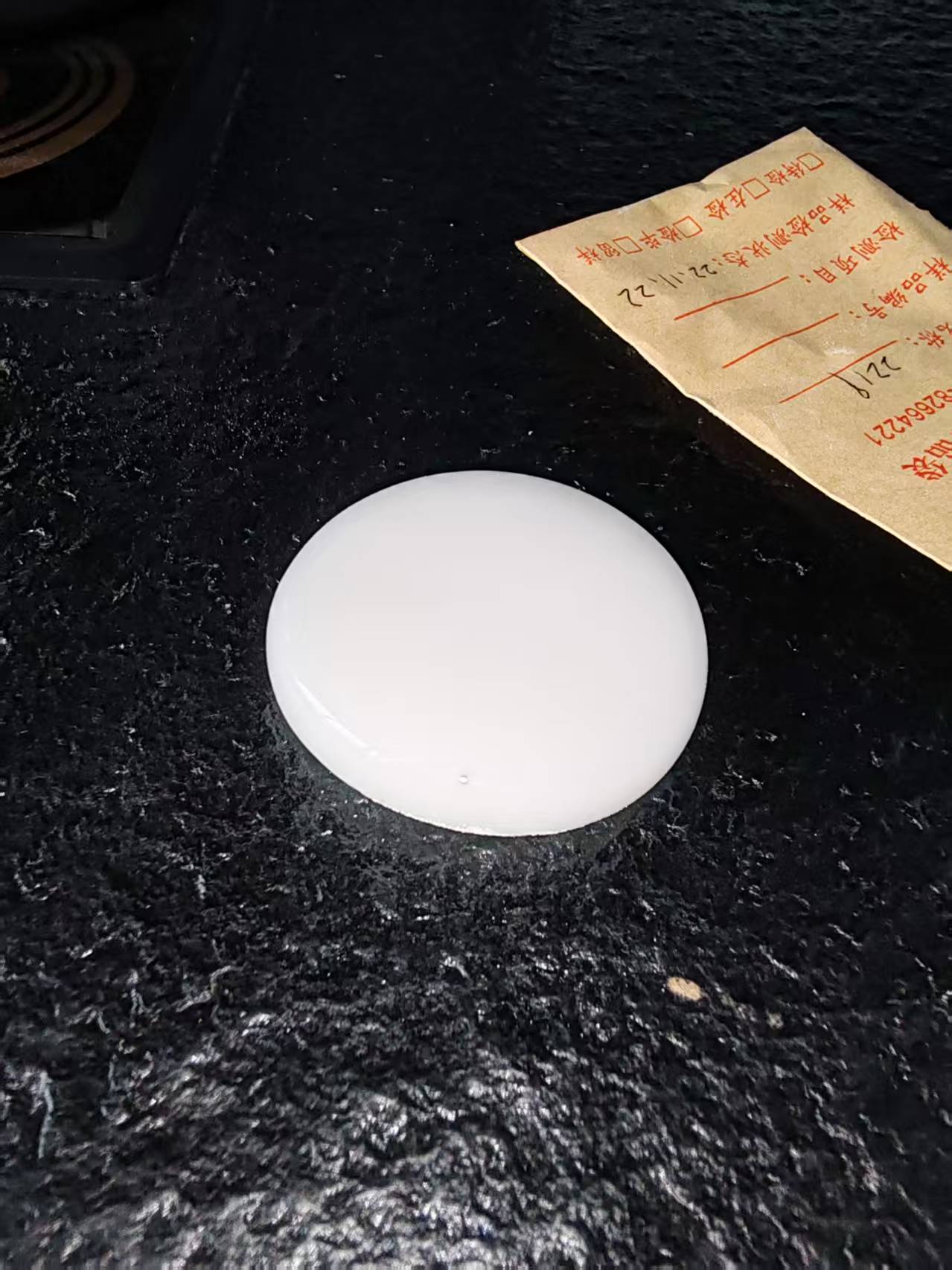
Solution & Prevention
.
Experiencing this defect?
Send us a photo of the defect + your current formulation. Our team provides free troubleshooting support.