Glaze crawling — where the molten glaze pulls away from the body surface, leaving bare patches — is often linked to high surface tension in the molten glaze and poor wetting of the body surface.
Glaze crawling — where the molten glaze pulls away from the body surface, leavin
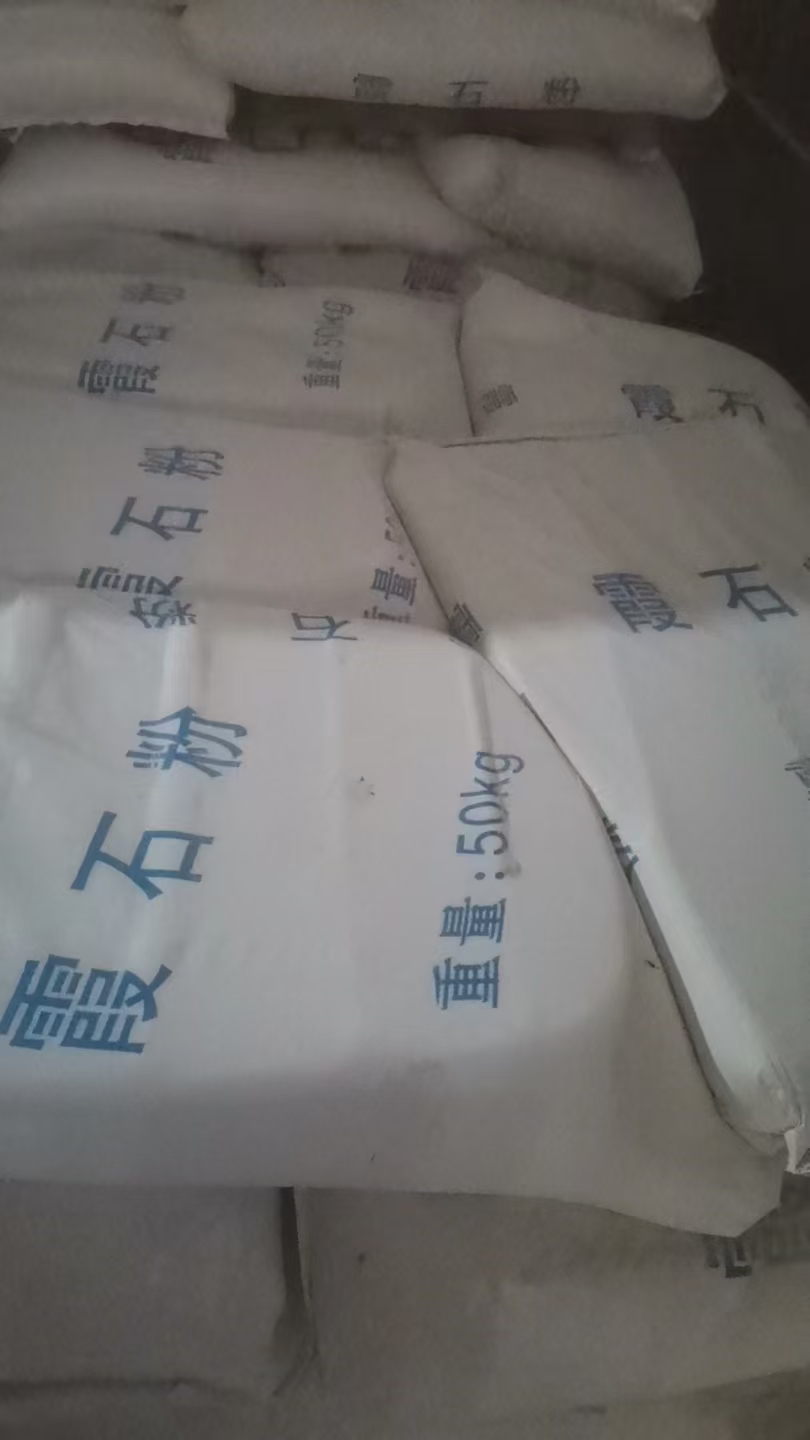
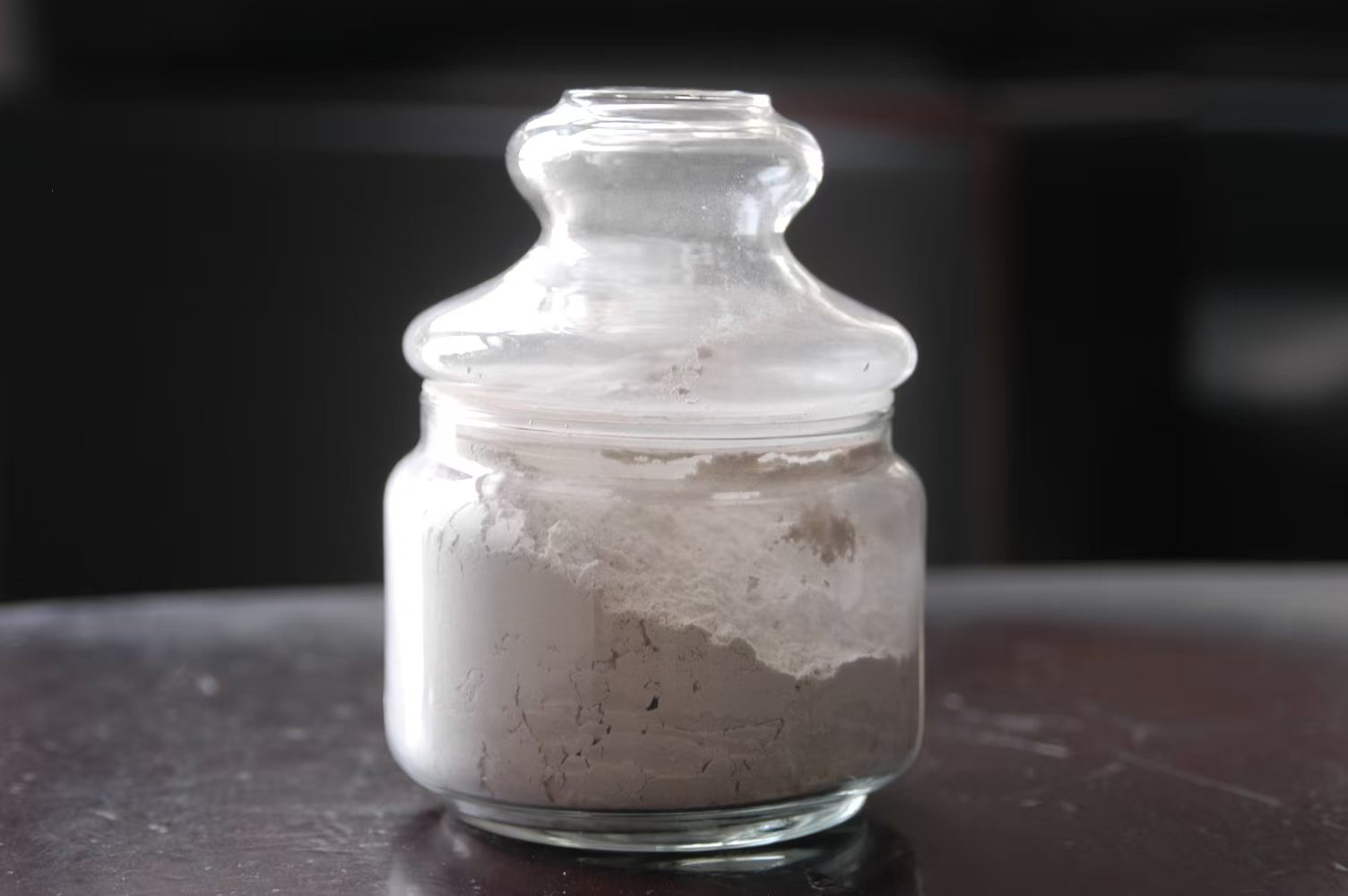
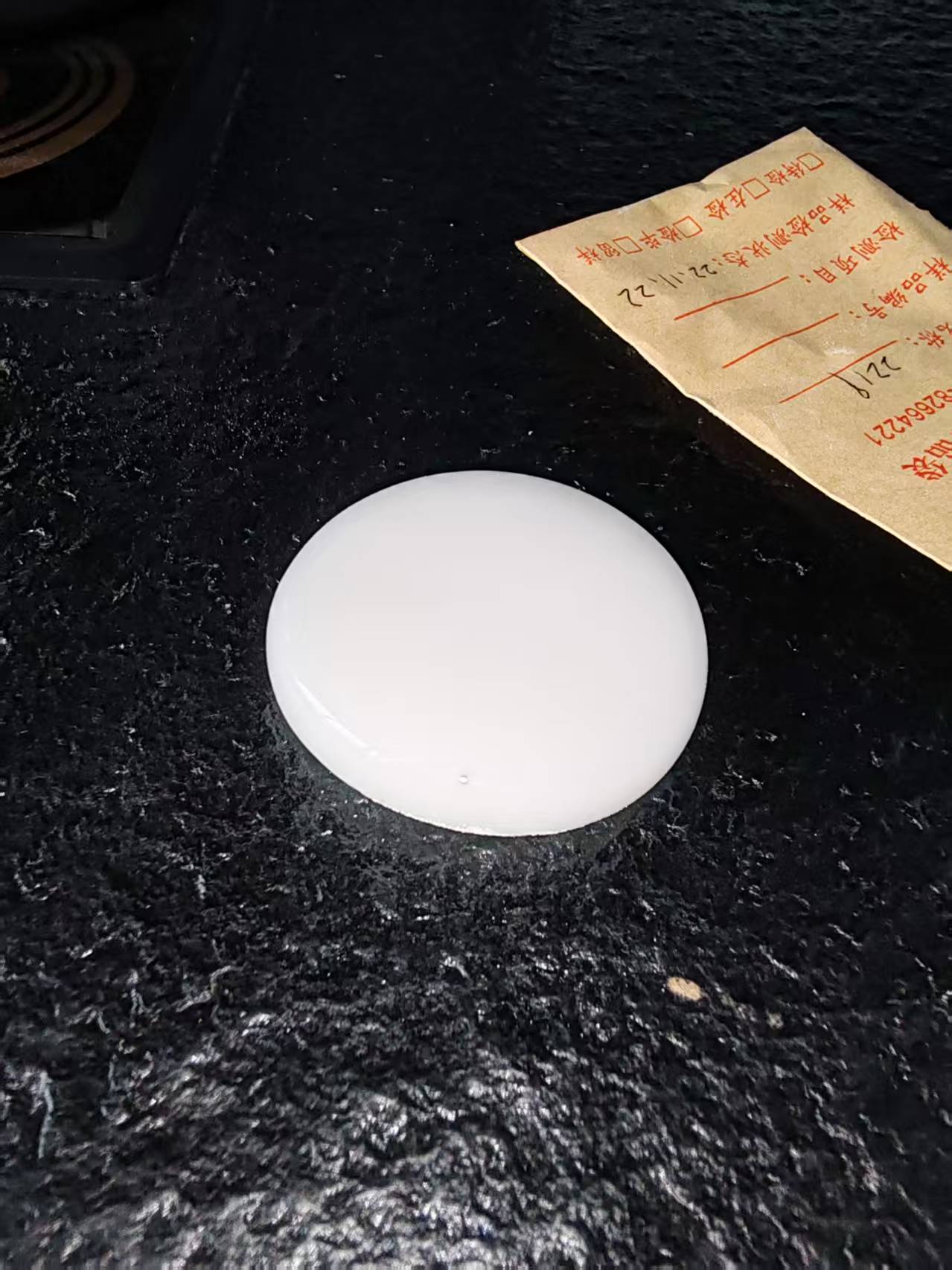
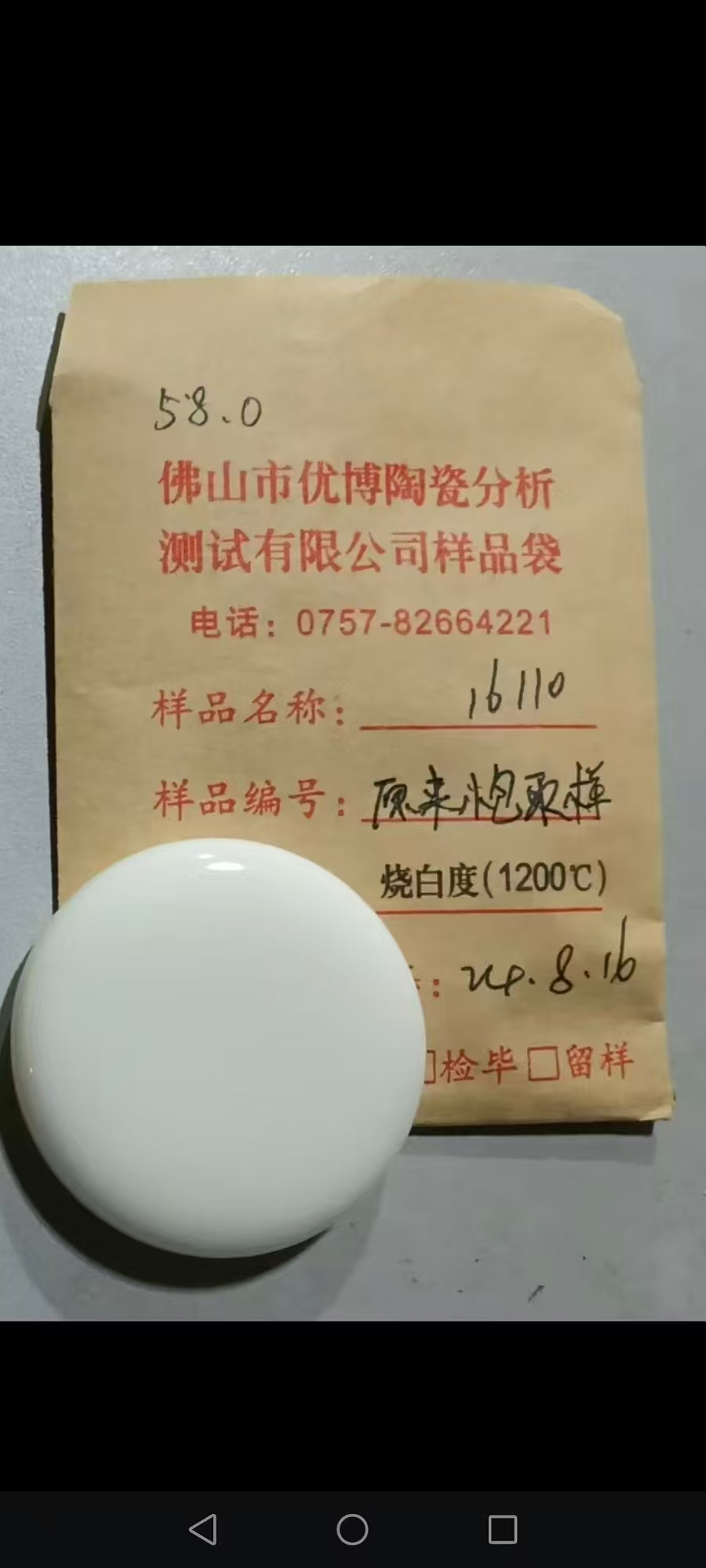
Flux composition directly affects melt surface tension: nepheline-rich glazes tend to have lower surface tension (better wetting) than feldspar-only glazes due to the dual-alkali effect of combined Na2O and K2O. If you experience crawling with a feldspar-based glaze, replacing 20-30% of the feldspar with nepheline (K100 or K200) often resolves the issue by reducing melt surface tension and improving body wetting
Additionally, alumina from nepheline increases melt viscosity slightly, which helps the glaze stay in place rather than pulling into droplets. For severe crawling, also check your engobe layer — poor engobe-body adhesion can cause the glaze to lift and crawl
See product recommendations below
Understanding This Defect
Flux composition directly affects melt surface tension: nepheline-rich glazes tend to have lower surface tension (better wetting) than feldspar-only glazes due to the dual-alkali effect of combined Na2O and K2O. If you experience crawling with a feldspar-based glaze, replacing 20-30% of the feldspar with nepheline (K100 or K200) often resolves the issue by reducing melt surface tension and improving body wetting. Additionally, alumina from nepheline increases melt viscosity slightly, which helps the glaze stay in place rather than pulling into droplets. For severe crawling, also check your engobe layer — poor engobe-body adhesion can cause the glaze to lift and crawl. Our nepheline grades work well in engobe formulations to improve adhesion between body and glaze layers..
Solution & Prevention
.
Experiencing this defect?
Send us a photo of the defect + your current formulation. Our team provides free troubleshooting support.