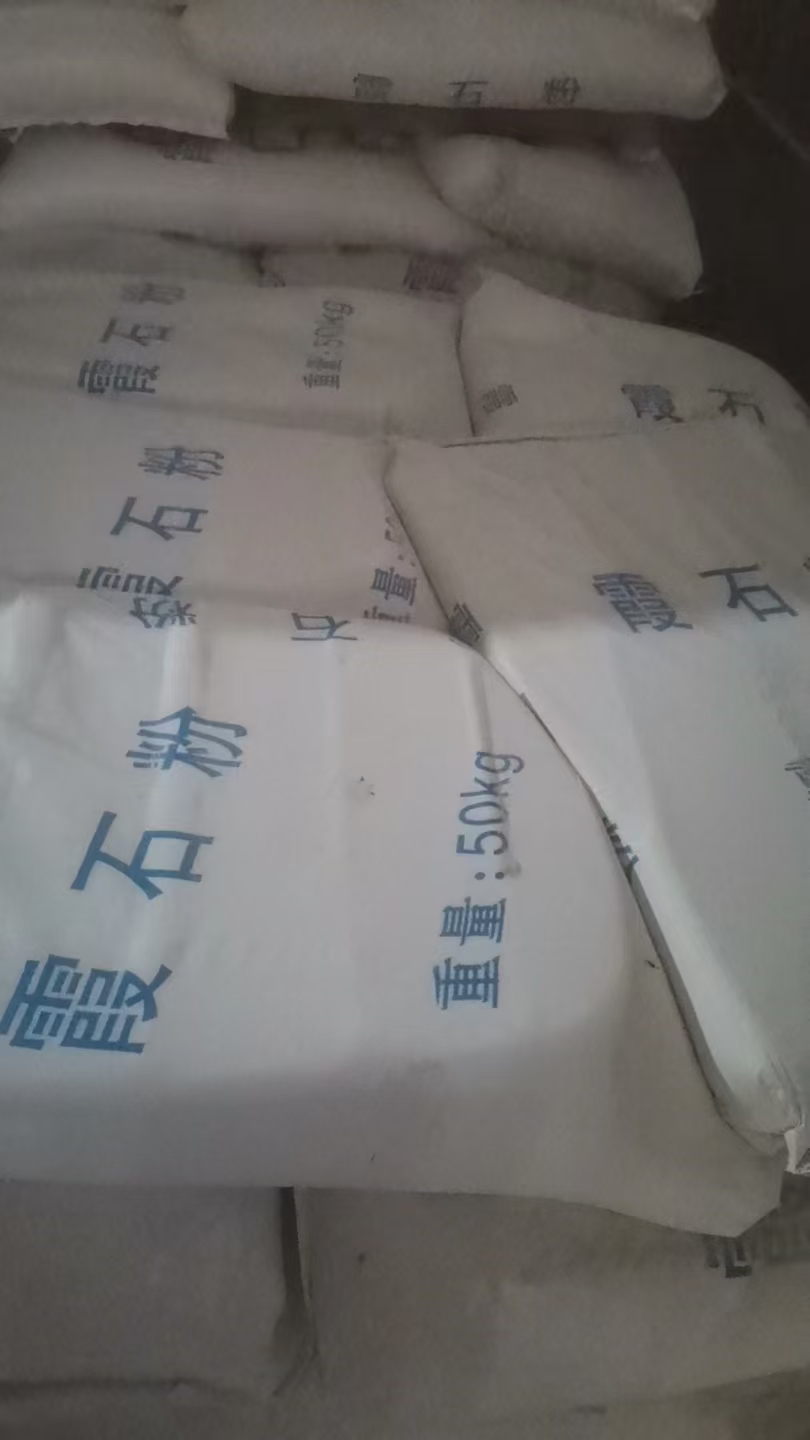
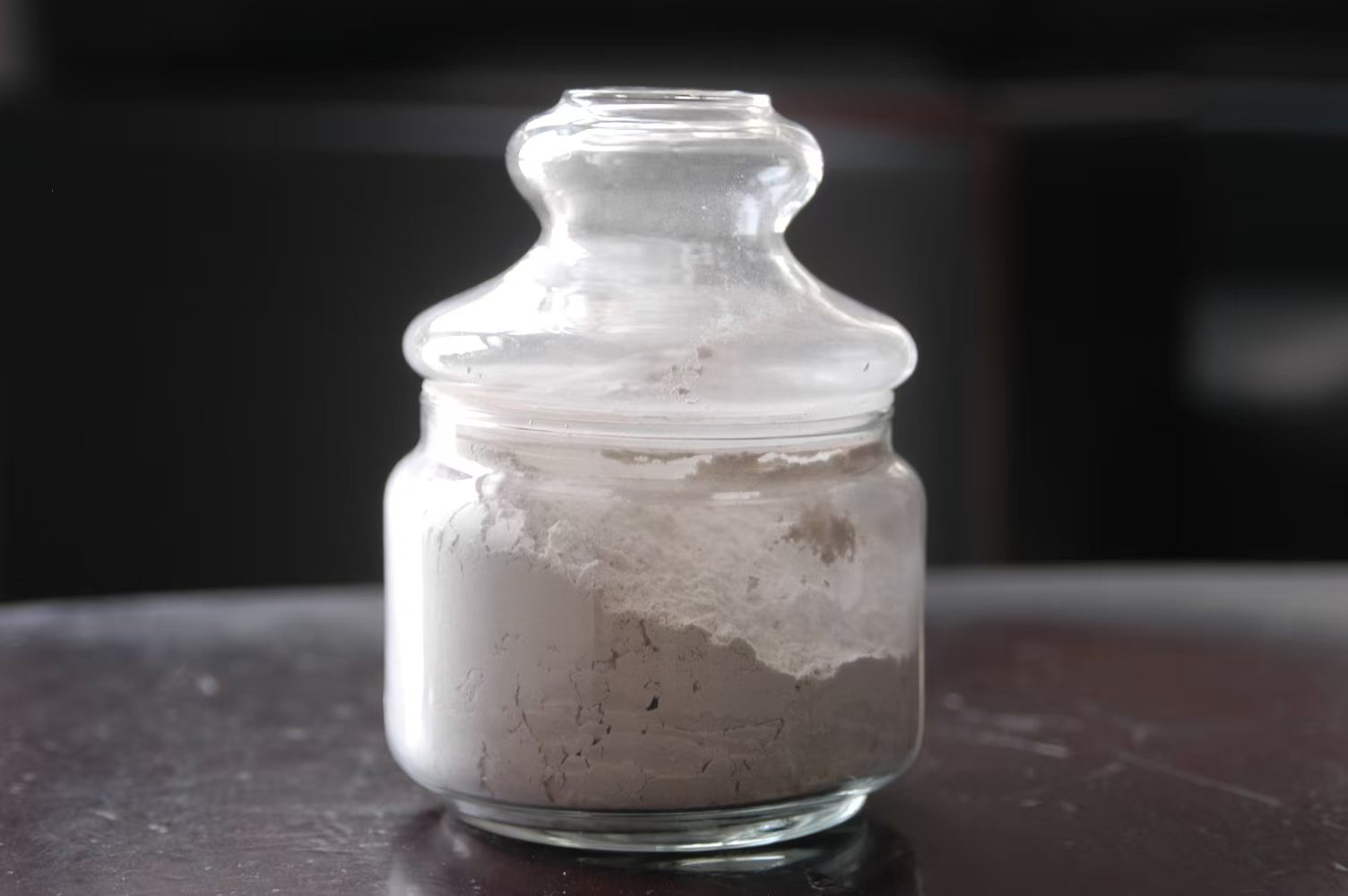
Random dark/black specks (0.5-3mm) visible on the fired ceramic surface or in the body cross-section
Metallic iron or iron oxide particles in raw materials — either from the ore deposit (natural iron minerals) or from steel grinding equipment contamination (in dry processing). These particles oxidize during firing to form dark Fe2O3 spots.
Switch to wet-processed nepheline which uses ceramic grinding media (no steel contamination) and multi-stage magnetic separation that removes both natural and introduced iron particles.
Black specks — dark spots ranging from 0.5mm to 3mm visible on the fired ceramic surface or in cross-section — are among the most damaging quality defects in ceramic production. Unlike uniform yellowing from dissolved iron (which affects overall body color), black specks are concentrated iron particles that create individual visible defects. Each speck is a potential customer complaint or quality rejection. This guide explains the two sources of iron particle contamination and how proper raw material selection eliminates them.
Source 1: Natural Iron Minerals in Ore
Nepheline syenite and feldspar ores naturally contain accessory iron-bearing minerals — magnetite, biotite, hornblende, ilmenite, and pyrite. In well-processed material, these are removed during magnetic separation. But in poorly processed material (single-pass magnetic separation, dry processing without adequate liberation), some iron mineral particles survive into the final product. These particles may be too small to see in the powder but become visible after firing, when they oxidize to dark Fe2O3 or Fe3O4 spots on the ceramic surface. The larger the particle, the more visible the speck — a 0.2mm magnetite grain creates a clearly visible dark spot on a white tile surface.
Source 2: Steel Grinding Equipment
This is the hidden contamination source that many manufacturers overlook. Dry processing plants typically use steel grinding media (steel balls) and steel mill liners. During grinding, these steel components wear — releasing fine metallic iron particles into the mineral product. These particles are actual metallic iron, which oxidizes during firing to produce particularly dark, prominent specks. Even a well-designed magnetic separation system after grinding cannot capture all of these particles, because some become embedded in the surface of larger mineral grains during the grinding process itself.
Wet processing (as used by Ceramic Minerals) can employ ceramic grinding media — alumina or silica-lined mills with ceramic balls — completely eliminating this contamination source. Combined with multi-stage wet magnetic separation that captures both natural and any residual metallic iron particles, wet processing produces a virtually speck-free product.
Diagnostic Test
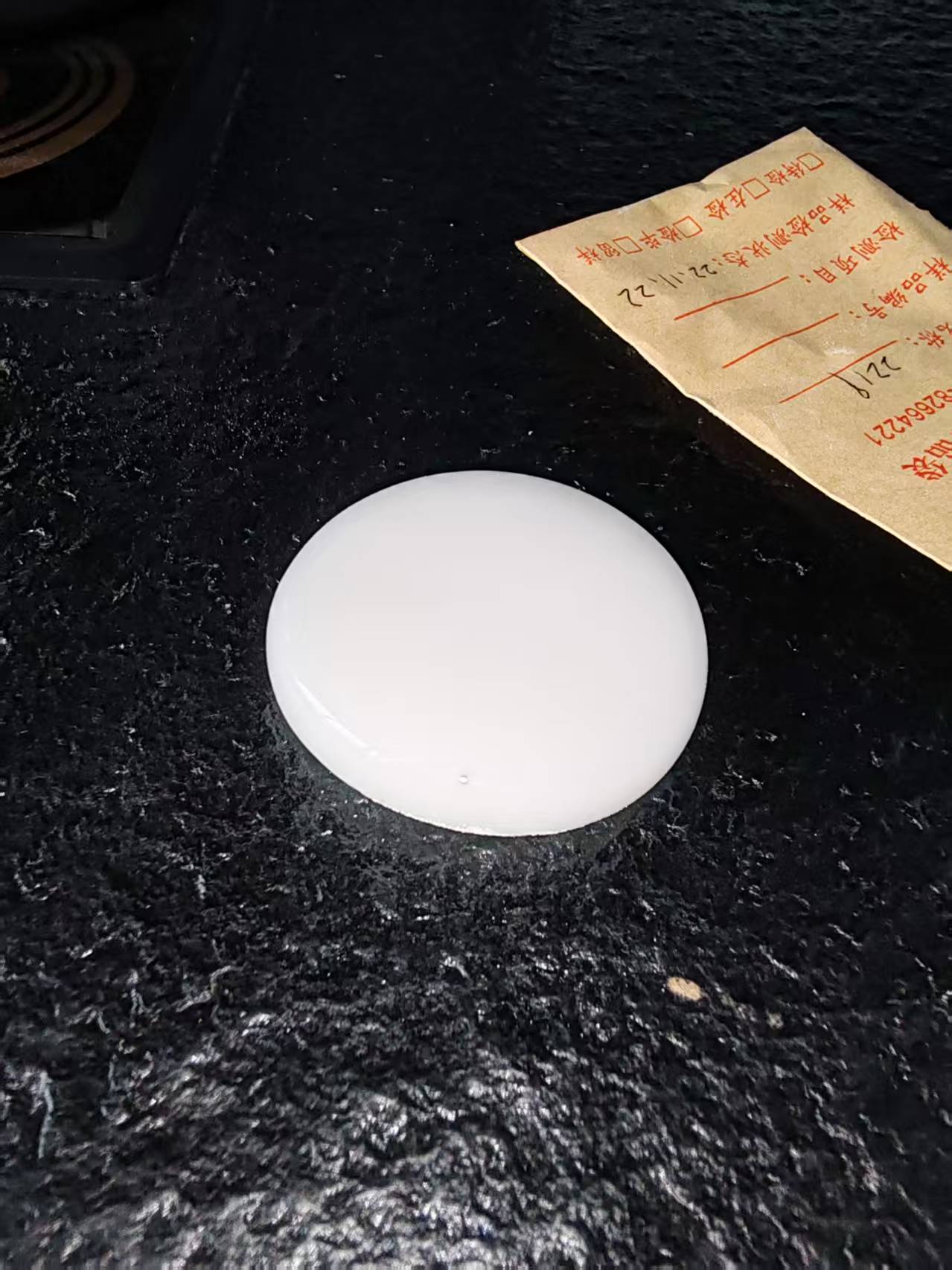
To confirm that your flux material is the speck source: press a pure disc of your current feldspar/nepheline (no other raw materials) and fire at your standard temperature. Examine the fired disc under magnification. If specks are visible, your flux is contaminated. Then press and fire a disc of our K200 or K100 sample under identical conditions. The comparison will show whether switching flux eliminates the speck problem. In our experience, this test conclusively identifies the flux as the source in the majority of cases.
Prevention: Choose Wet-Processed Material
The only reliable prevention is using wet-processed material with multi-stage magnetic separation. Our production process includes: wet grinding with controlled media (eliminating steel contamination), primary magnetic separation at medium intensity, secondary separation at high intensity, and tertiary separation at maximum intensity to capture even weakly magnetic particles. The result: K200 with Fe2O3 of just 0.08% and virtually zero iron particle contamination visible in fired discs.
Experiencing this defect?
Send us a photo of the defect + your current formulation. Our team provides free troubleshooting support.