The Certificate of Analysis (COA) is the most important quality document in mineral raw material trade.
Details & Process
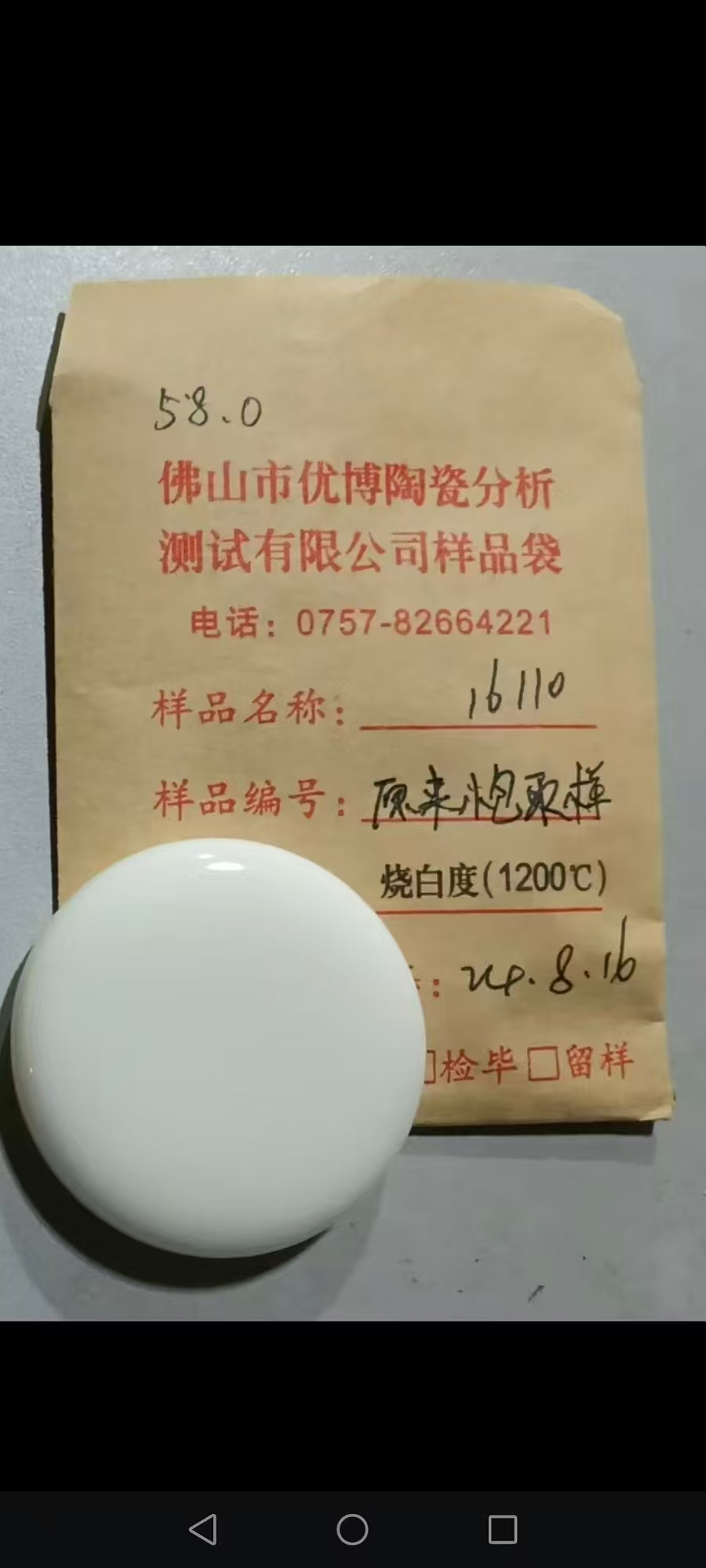
It is both a quality guarantee from the supplier and a reference document for your incoming quality control. Understanding every element of a COA protects you from quality surprises and enables meaningful supplier comparison. What a COA contains: supplier name and contact information, product name and grade, batch/lot number (for traceability), production date, chemical composition by XRF (SiO2, Al2O3, Fe2O3, K2O, Na2O, CaO, MgO, TiO2, LOI — all as weight percentages), particle size analysis (mesh residue percentage and/or laser diffraction D10, D50, D90 values), moisture content, firing whiteness data (L*a*b* values or whiteness index at specified temperature), and testing laboratory name (in-house, third-party, or both). Our COA includes all of the above, with independent verification from Foshan Youbo Ceramic Analysis and Testing Co. for export shipments. How to verify COA reliability: compare COA data with your own lab results on the same sample — they should agree within normal analytical tolerance. Request COA data from multiple consecutive batches to verify consistency.
Key Information
Check that the testing lab is identified by name (anonymous testing is a red flag). Verify that Fe2O3 and TiO2 are reported to two decimal places (one decimal like 0.1 percent could mean anything from 0.05 to 0.14 percent). For critical applications, request the original lab report (not just the summary COA) which shows the raw analytical data and calibration standards used..
Next Steps
.
Ready to take the next step?
Contact Andy for pricing, samples, and personalized guidance through the purchasing process.