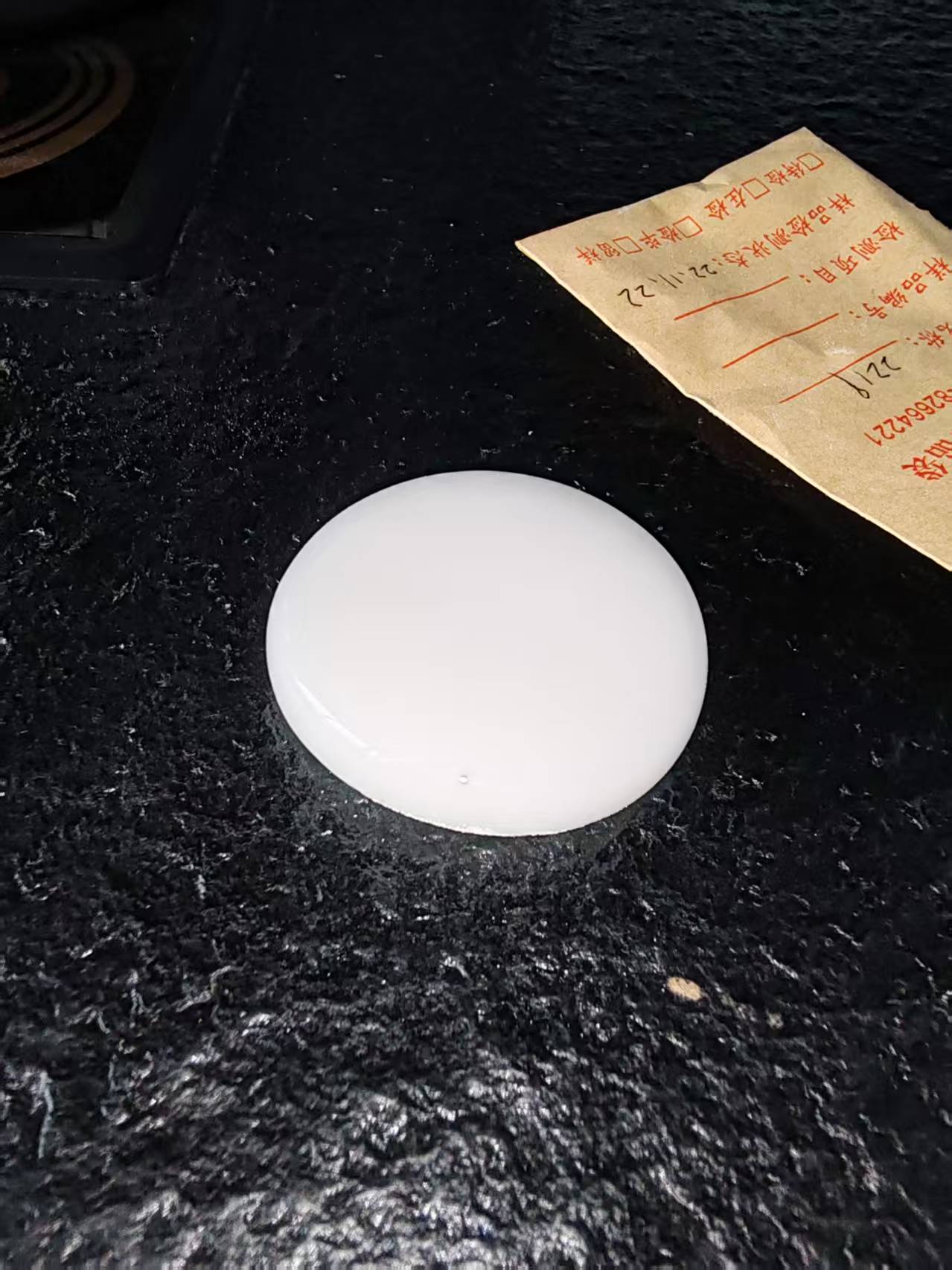
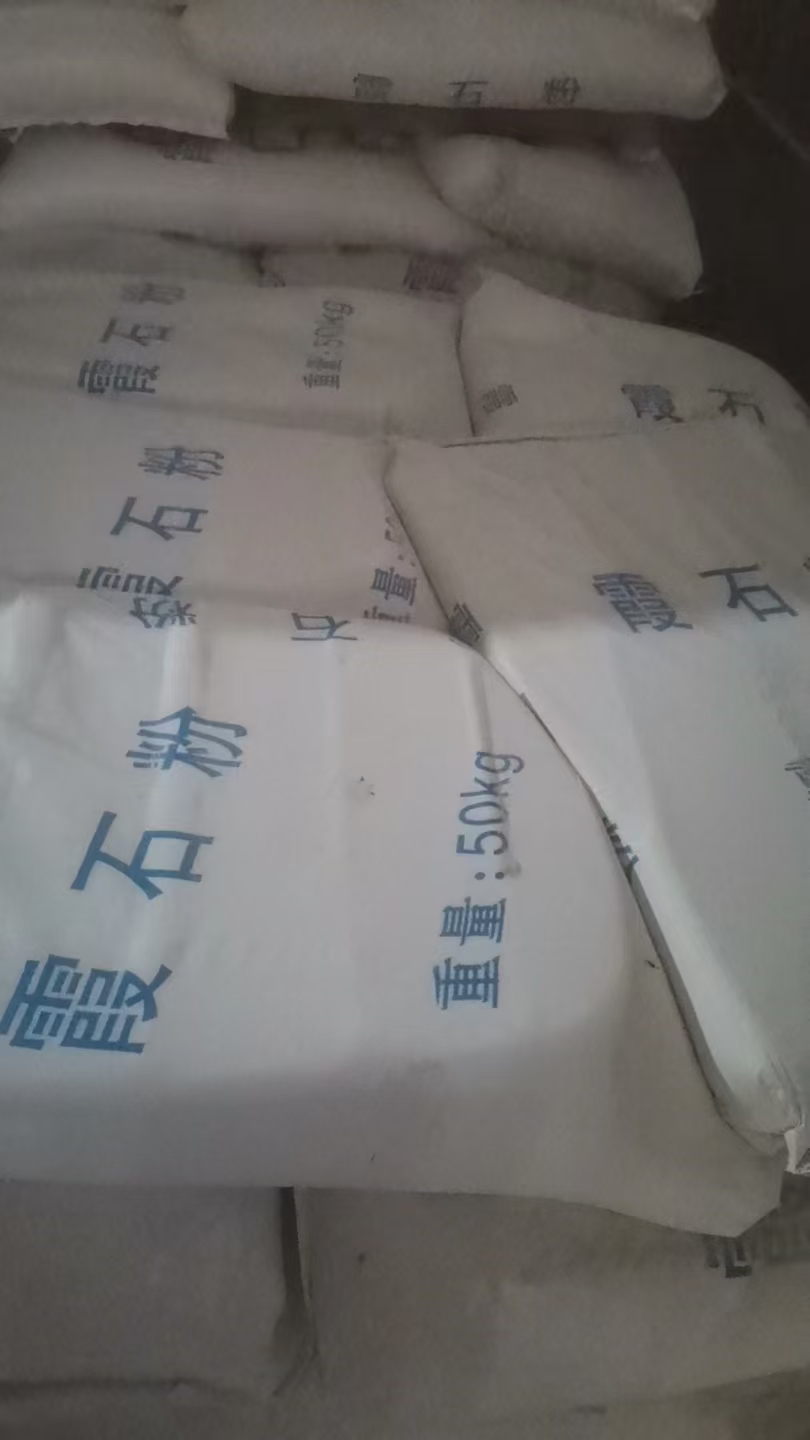
Mesh size describes the fineness of mineral powder.
Technical Details
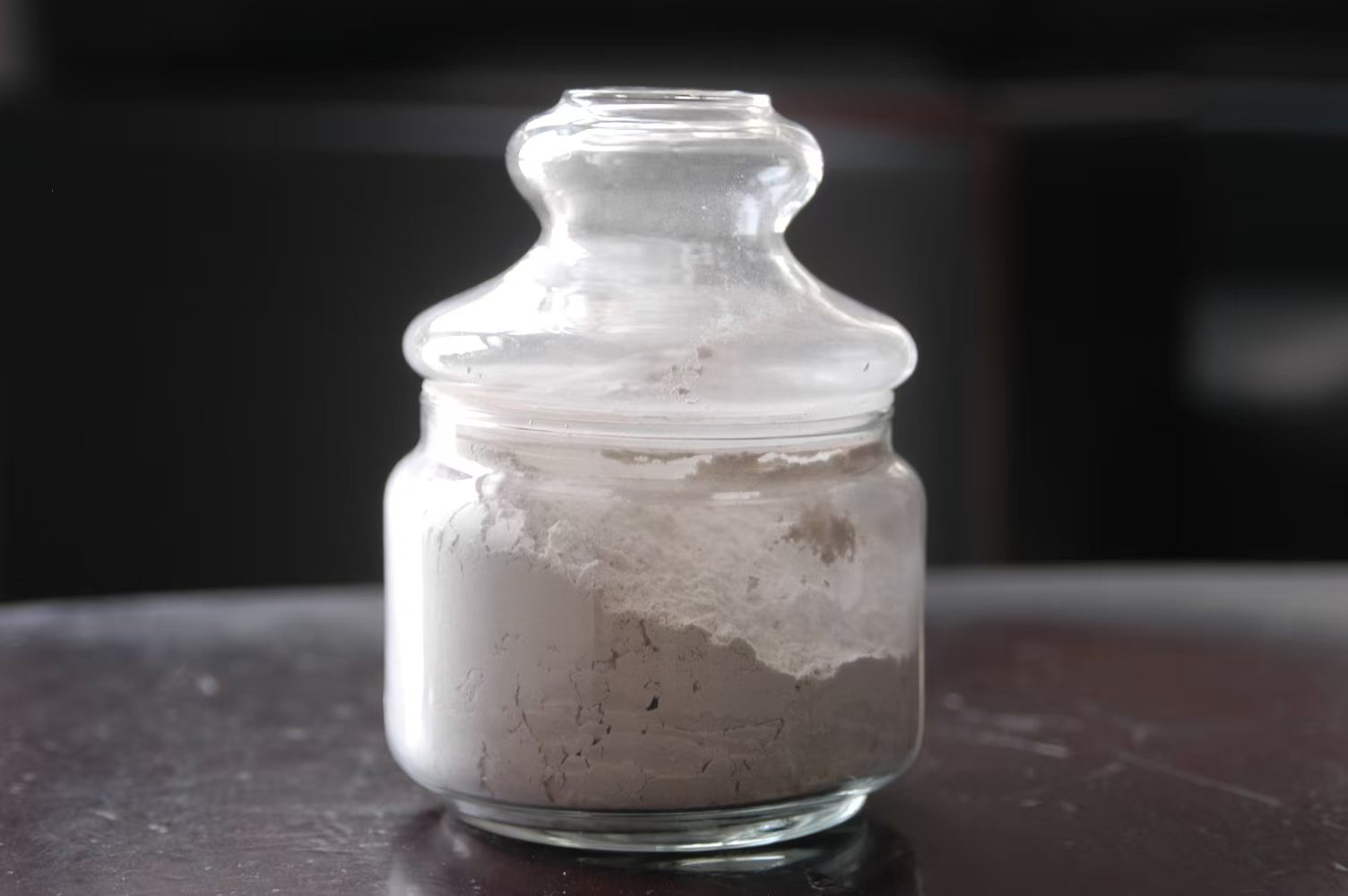
A 100-mesh screen has openings of 150 microns — material labeled 100 mesh means at least 95-97% of particles pass through this screen (are smaller than 150 microns). A 200-mesh screen has 74-micron openings. So 200-mesh powder is roughly twice as fine as 100-mesh. In practice, mineral producers specify a residue percentage: our K100 is 100-mesh with residue below 3% on 150-micron screen. Our K200 is 200-mesh with residue below 2% on 74-micron screen. Finer particle size (200 mesh) provides: faster reactivity in kiln, more complete vitrification in fast-firing, smoother fired surface, better whiteness (more iron removed during extended grinding), and more uniform body.
Practical Application
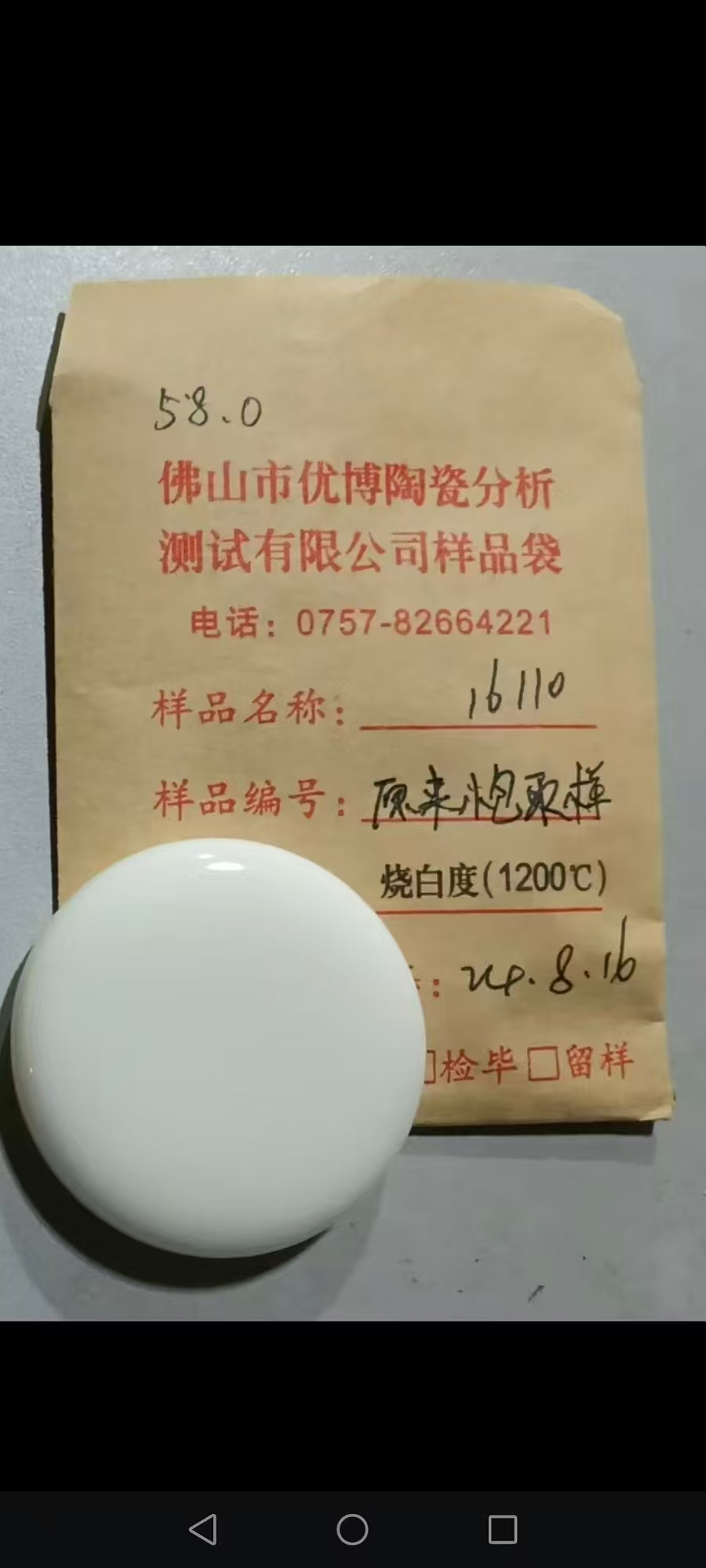
Coarser particle size (100 mesh) provides: lower processing cost, adequate performance for standard firing cycles, and acceptable quality for non-premium applications. Which to specify: for porcelain tiles, large-format slabs, tableware, and any product requiring maximum whiteness — specify 200 mesh (our K200). For standard floor tiles, wall tiles, glass, and industrial applications — 100 mesh (our K100) delivers adequate quality at lower cost. For matte glazes and frit production — mesh size is less critical than chemistry; choose GP20 for its CaO content regardless of fineness..
Our Products & Recommendation
.
Questions about raw material science?
Our technical team provides formulation support and samples for testing.