Thermal expansion coefficient (CTE) determines whether your glaze fits your body — a mismatch causes either crazing (glaze CTE too high) or shivering/peeling (glaze CTE too low).
Technical Details
Flux materials are the primary tool for adjusting CTE in both body and glaze. Na2O has the highest CTE contribution of any common ceramic oxide (~39.5 x 10⁻⁷ per degree C per mole %), followed by K2O (~28.3). SiO2 has a low contribution (~0.5 from quartz, higher from amorphous silica). Since nepheline contains more total alkali and less SiO2 than feldspar, nepheline-containing bodies generally have higher CTE than feldspar-containing bodies. This is beneficial when you need to raise body CTE to match a high-expansion glaze. It requires attention when using low-expansion glazes — the body may expand more than the glaze, causing the glaze to be in compression (which is actually desirable for strength, as long as the compression is not excessive which causes shivering).
Practical Application
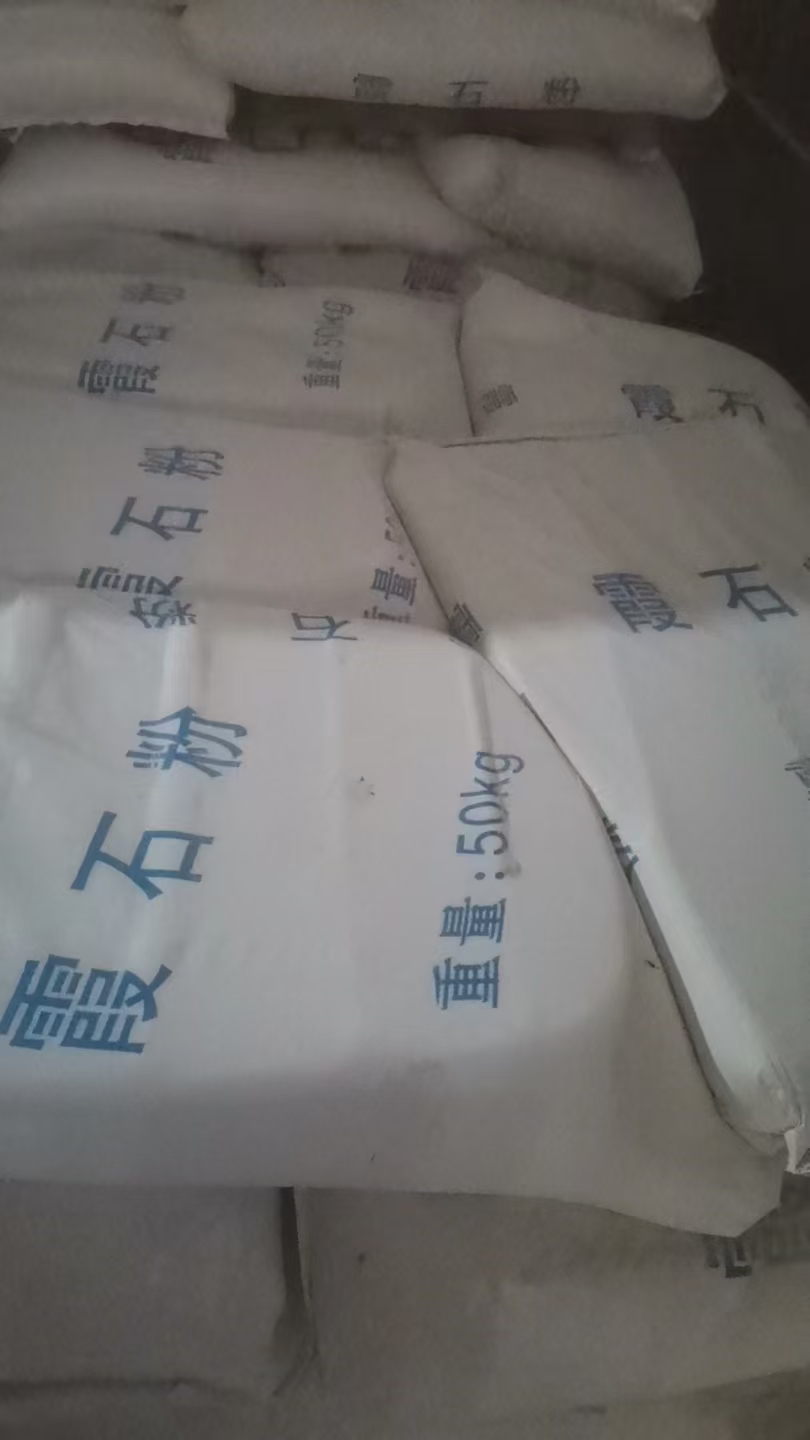
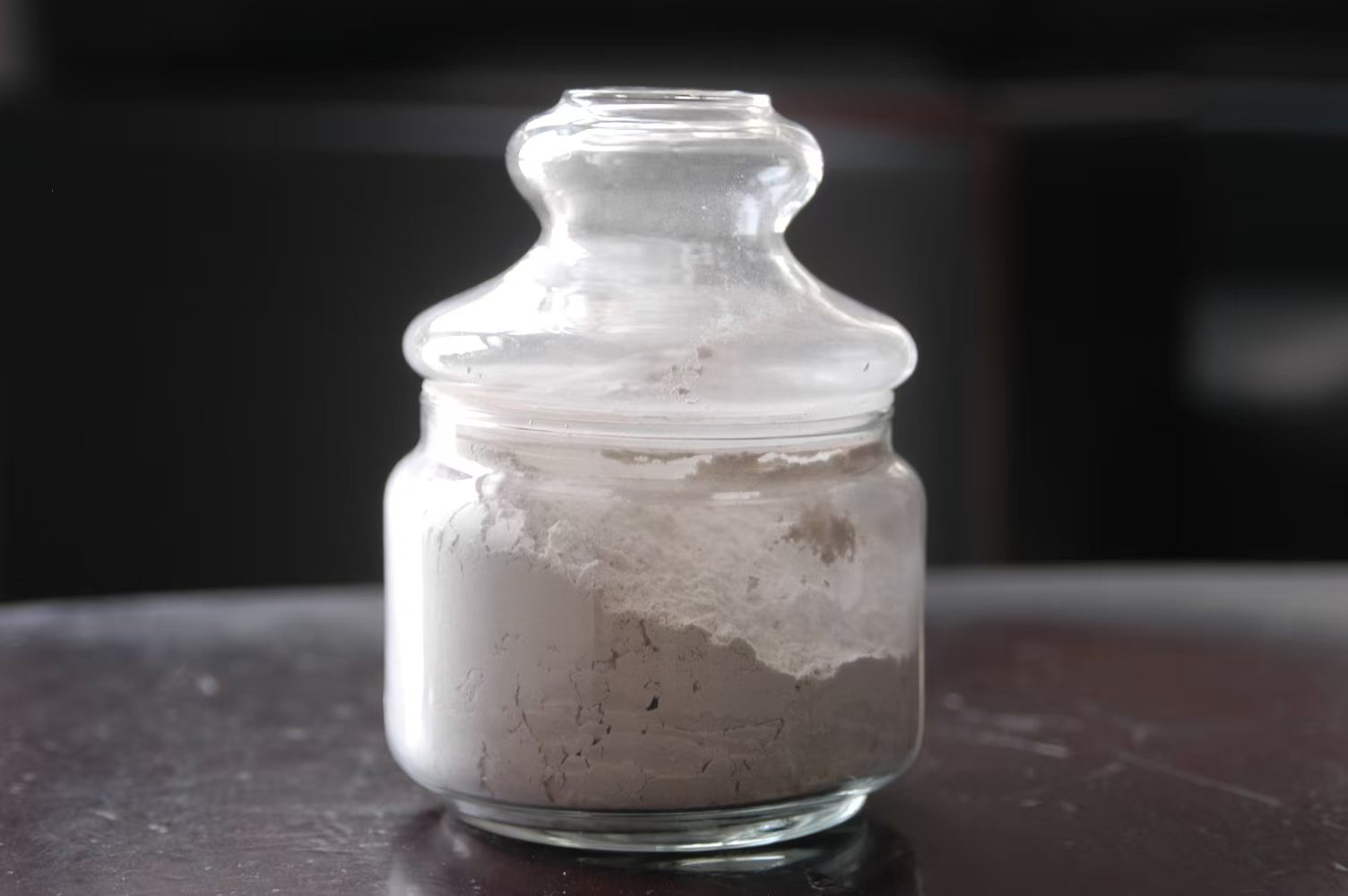
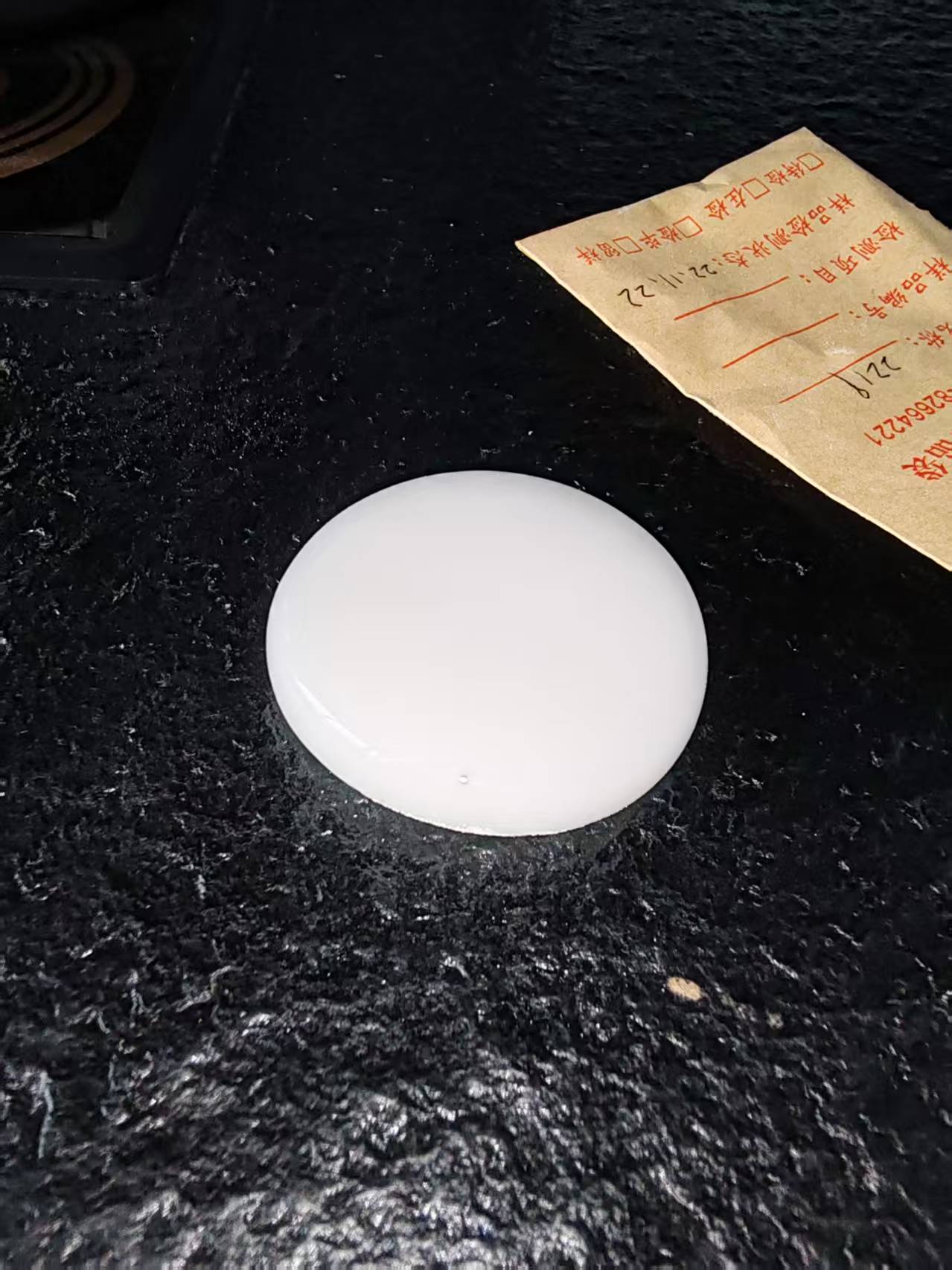
The practical rule: nepheline in the body raises body CTE. K-feldspar in the glaze lowers glaze CTE. This combination (nepheline body + K-feldspar glaze) is the most common industrial approach for optimal glaze fit. Our GP20 has the highest expansion potential (highest K2O + CaO); K200 and K100 are moderate; SY101 K-feldspar provides the lowest expansion option..

Our Products & Recommendation
.
Questions about raw material science?
Our technical team provides formulation support and samples for testing.