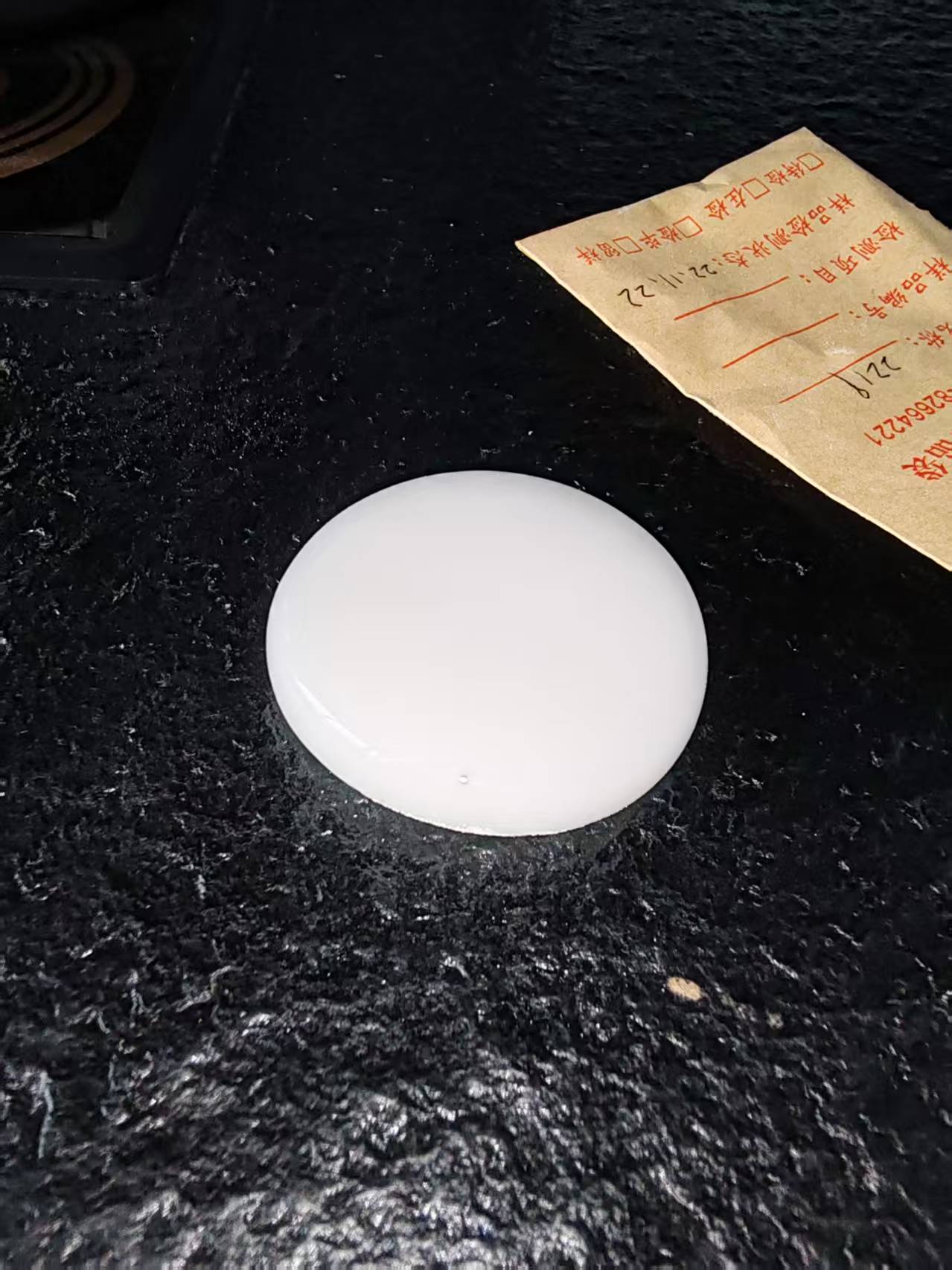
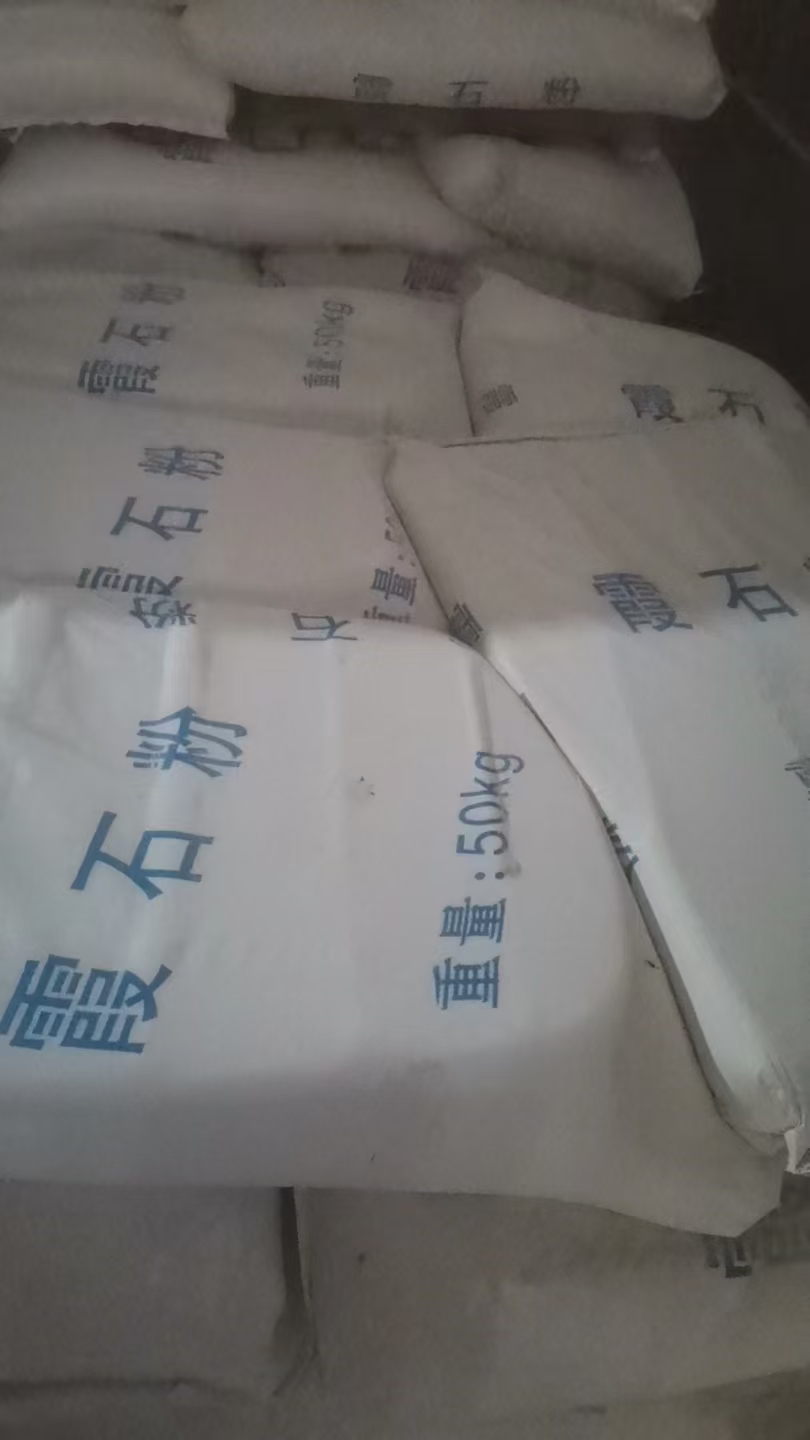
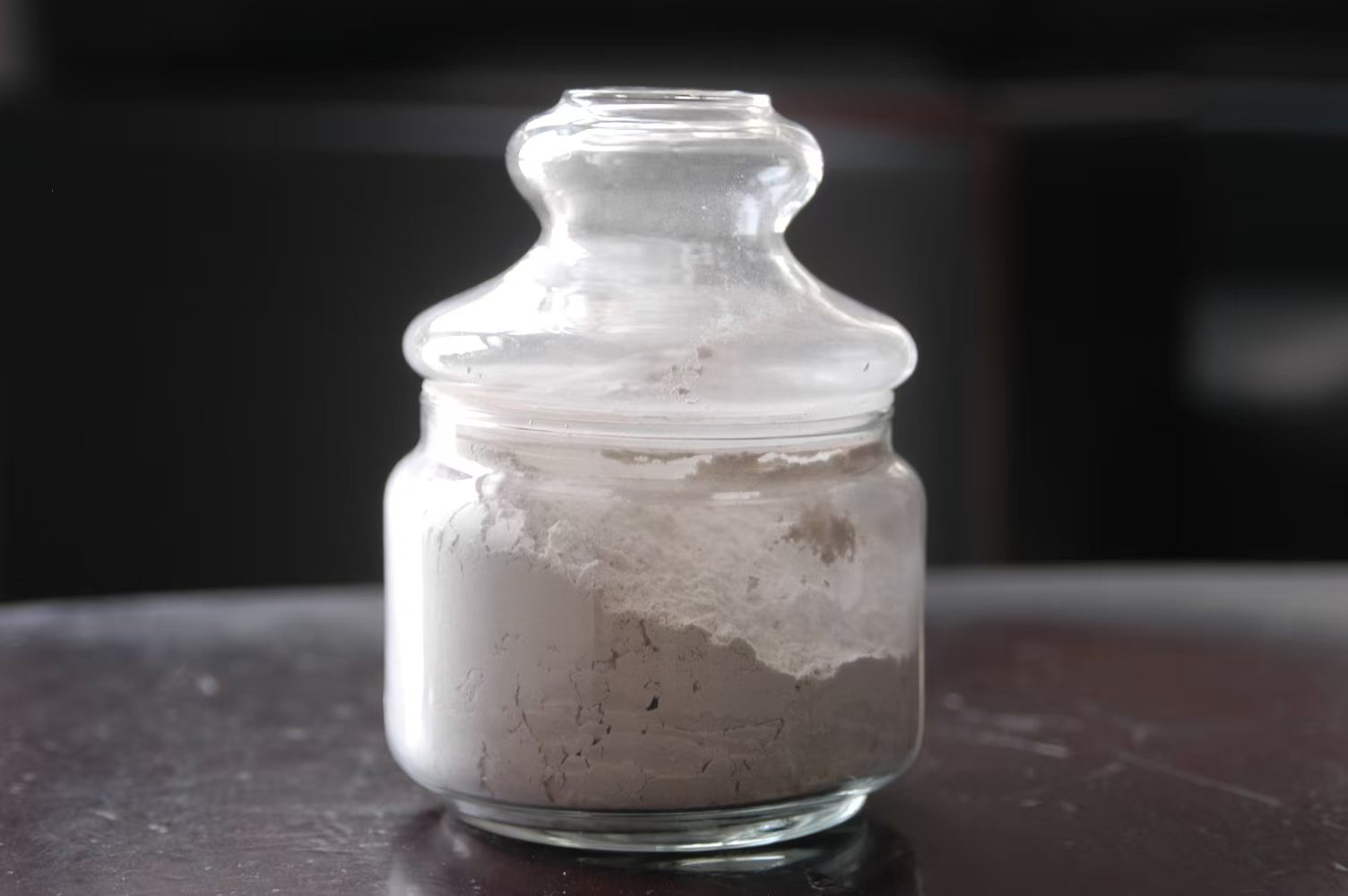
Mechanical strength (measured as modulus of rupture, MOR) in fired ceramics is directly related to the degree of vitrification — and therefore to the flux content.
Technical Details
As nepheline content increases, more glass phase forms during firing, filling porosity and bonding particles together. The result is a progressive increase in MOR up to a peak, followed by potential decline if over-fluxing causes bloating. In the practical working range, each 1% increase in nepheline typically increases MOR by 2-5% — a meaningful improvement that accumulates with larger formulation changes. The alumina advantage: beyond glass phase volume, the composition of the glass phase matters. Nepheline contributes high Al2O3 (20-24%) to the glass, creating an alumina-rich glass phase that is inherently harder and stronger than the lower-alumina glass from feldspar. Independent testing consistently shows 10-20% higher MOR when nepheline replaces equivalent feldspar in the same formulation — partly from more efficient vitrification (more glass) and partly from stronger glass composition (more alumina in the glass).

Practical Application
For manufacturers whose products must meet specific MOR standards (ISO standards for floor tiles require minimum MOR depending on tile thickness), optimizing nepheline content is the most effective single formulation change for boosting strength..
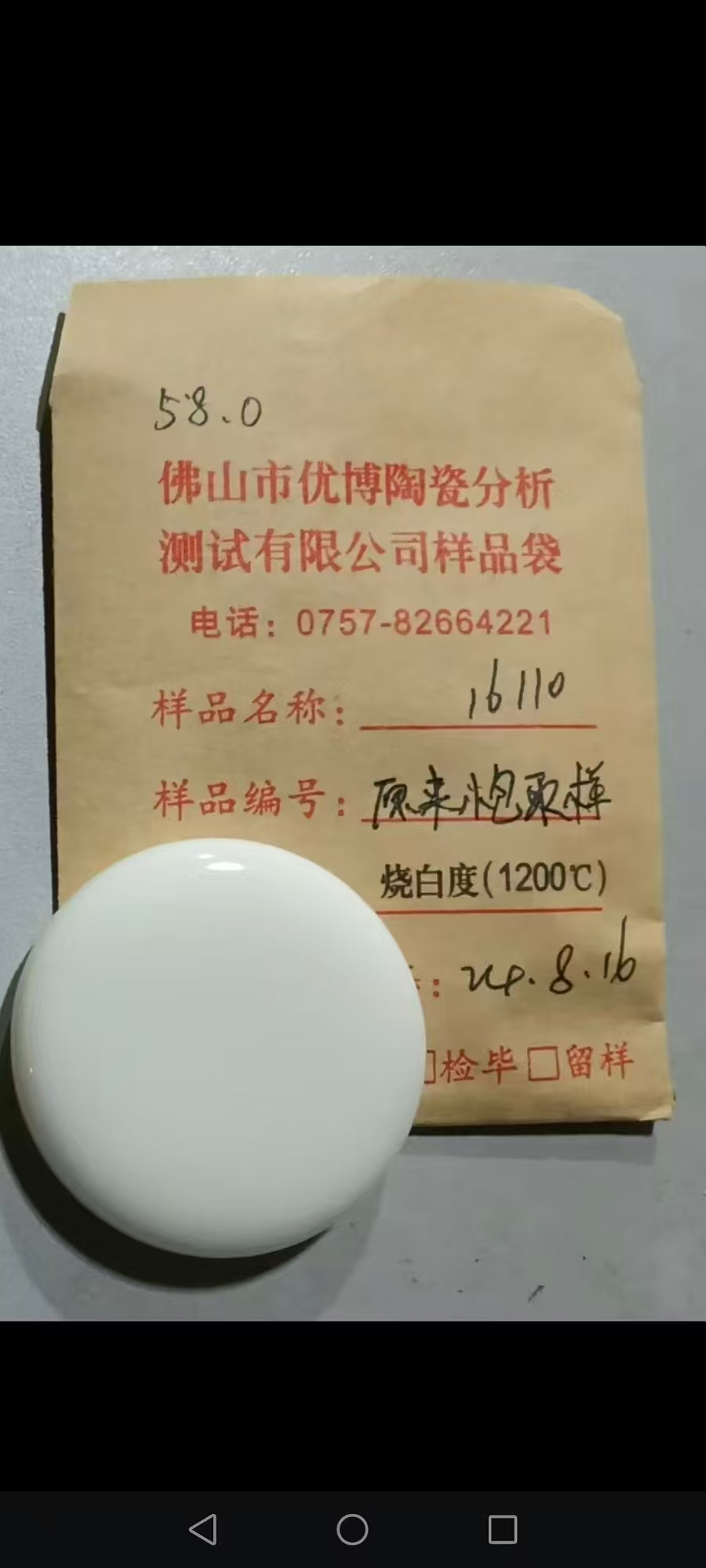
Our Products & Recommendation
.
Questions about raw material science?
Our technical team provides formulation support and samples for testing.