The Seger formula (also called Unity molecular formula or UMF) expresses ceramic compositions in terms of moles of each oxide, with the flux oxides (RO+R2O) normalized to 1.0.
Technical Details
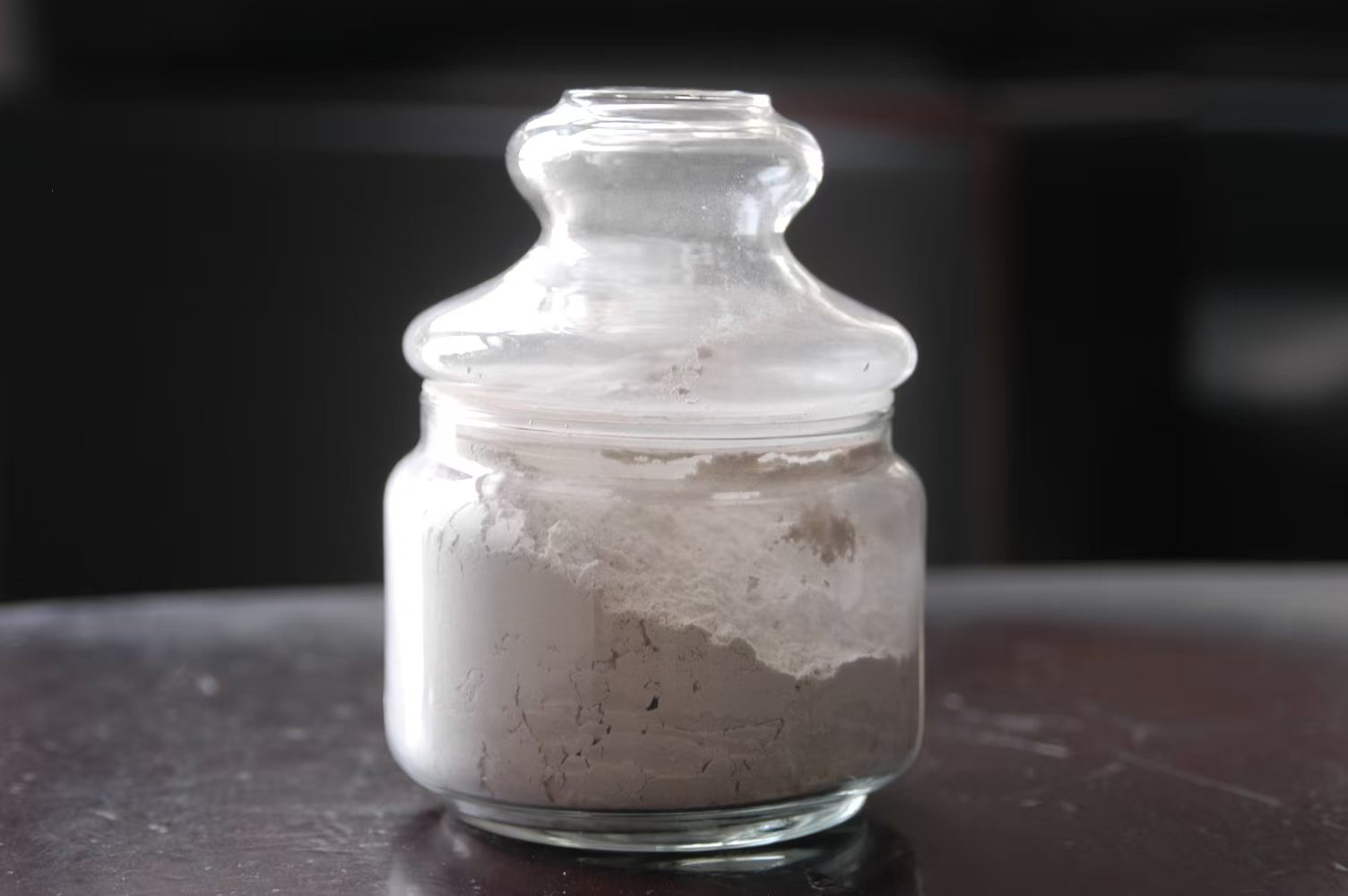
This standardized format makes it easier to compare formulations, predict firing behavior, and troubleshoot problems. When calculating the Seger formula for a body containing nepheline syenite, you need the molecular weights and oxide contributions of each raw material. Our nepheline grades contribute: from K200 — SiO2 (from 61.79%), Al2O3 (from 21.14%), Na2O (from 8.74%), K2O (from 5.63%), CaO (from 0.16%). The calculation involves converting weight percentages to moles, summing across all raw materials, then normalizing. Example: for a body with 25% K200 nepheline, 30% ball clay, 25% quartz, 15% kaolin, 5% talc — the Seger formula target for porcelain is typically: alkali 0.3-0.5 mol, alkaline earth 0.1-0.3 mol, Al2O3 0.4-0.7 mol, SiO2 3.5-5.0 mol. If your Seger formula shows insufficient alkali (below 0.3), increase nepheline.
Practical Application
If Al2O3 is low (below 0.4), nepheline also helps since it contributes high alumina. For glaze Seger calculations with nepheline, the target ranges differ — contact our technical team for glaze-specific guidance..
Our Products & Recommendation
.
Questions about raw material science?
Our technical team provides formulation support and samples for testing.