Silica (SiO2) is the primary glass-forming oxide in ceramics, typically constituting 55-70% of the fired ceramic body.
Technical Details
It comes from two sources: quartz (free crystalline silica) added directly to the formulation, and SiO2 dissolved from other minerals including nepheline (56-62% SiO2), feldspar (64-70% SiO2), and clay (45-55% SiO2). The SiO2 from nepheline and feldspar is structurally different from quartz — it is already part of a complex aluminosilicate mineral structure, making it more reactive during firing. This means the SiO2 from nepheline dissolves into the glass phase faster than quartz, contributing to glass formation rather than persisting as unreacted crystalline grains. A key advantage of nepheline over feldspar: nepheline contains less SiO2 (56-62% vs 64-70%), meaning less excess silica in the formulation. This matters because excess undissolved quartz undergoes a volume change at 573 degree C (the alpha-beta quartz transition), creating internal stress that can cause cracking during cooling. Less excess quartz from nepheline means less thermal stress risk.
Practical Application
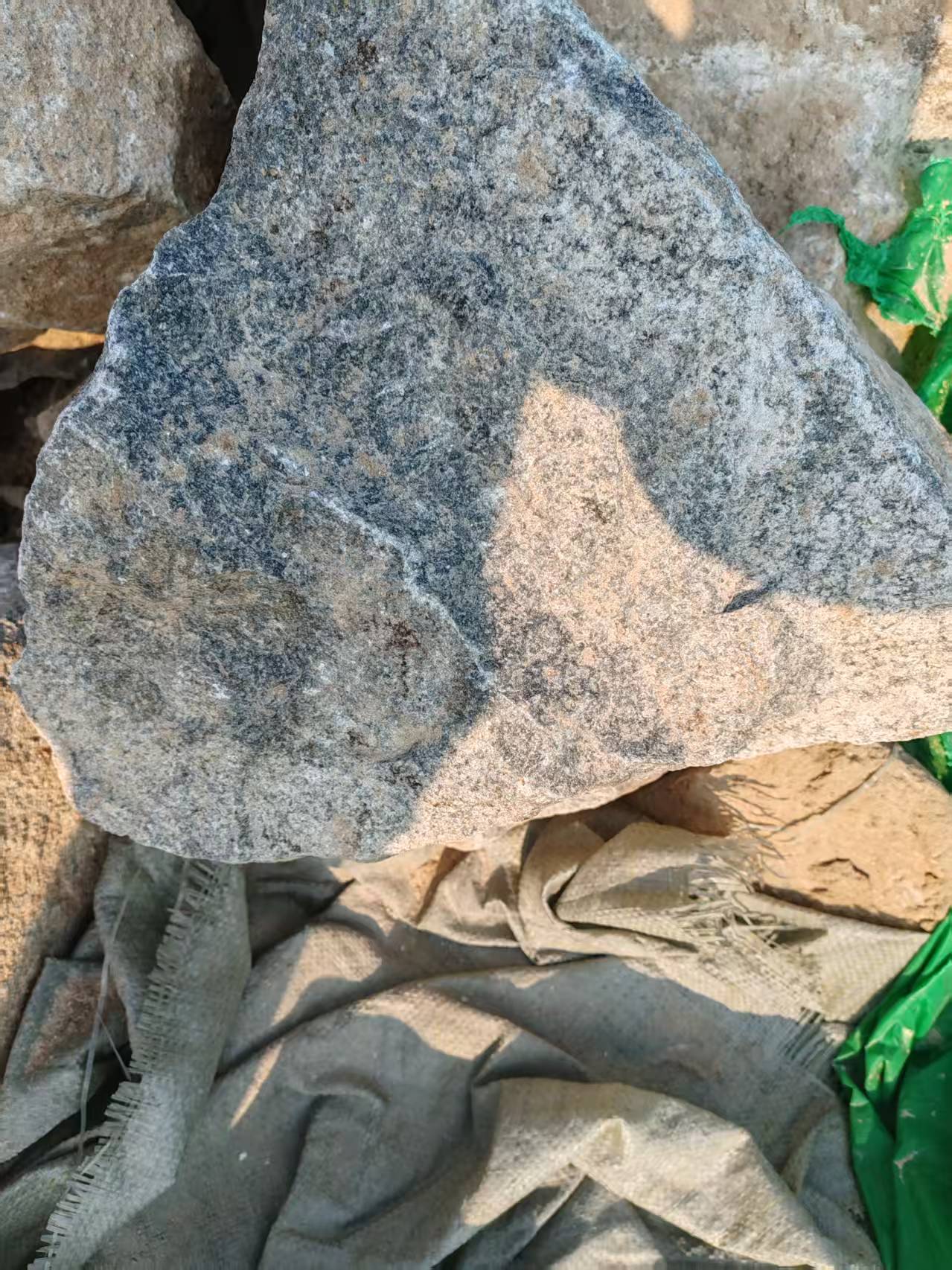
Our GP20 provides 56.64% SiO2, K200 provides 61.79%, and K100 provides 61.17%..
Our Products & Recommendation
.
Questions about raw material science?
Our technical team provides formulation support and samples for testing.