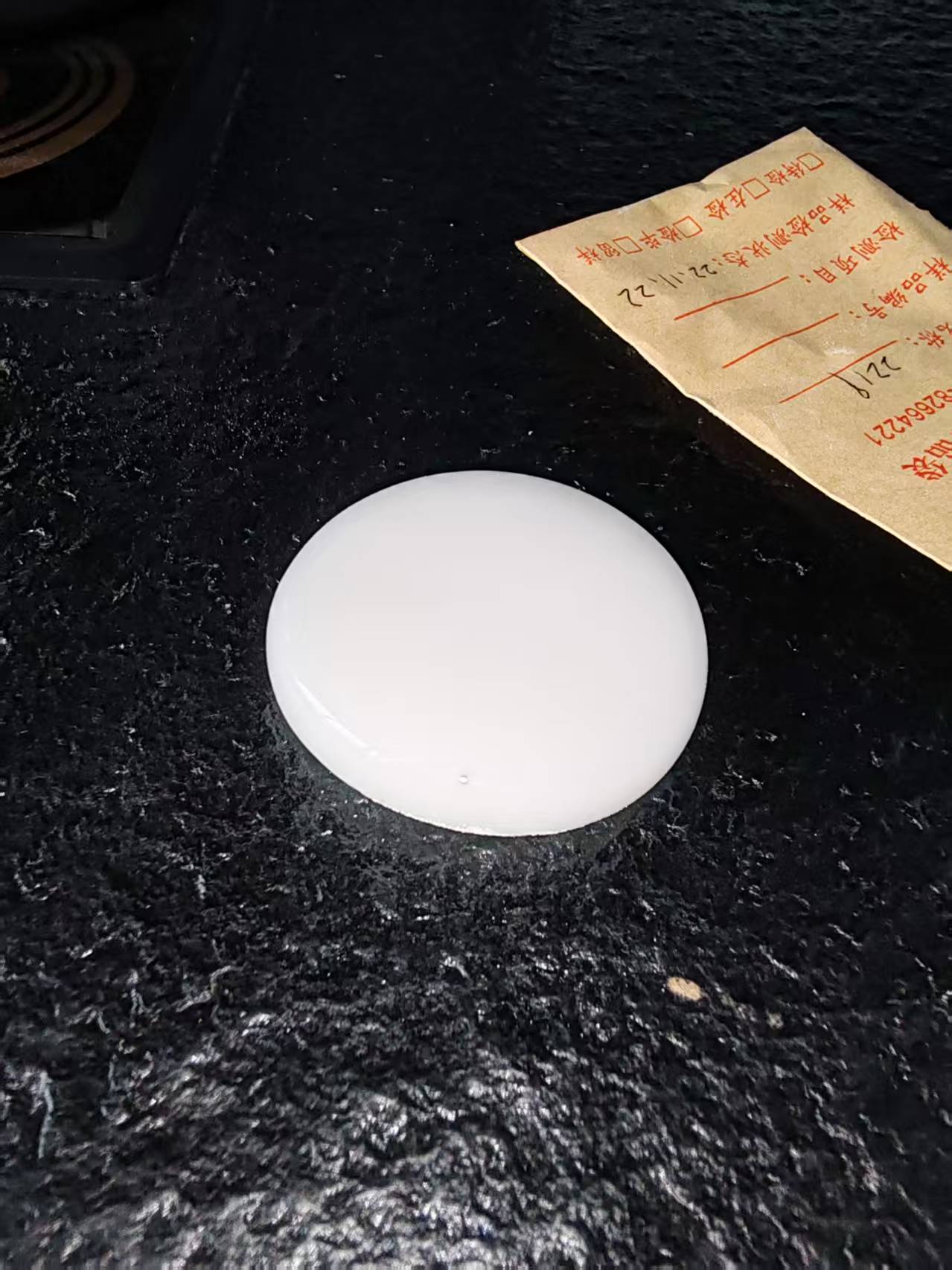
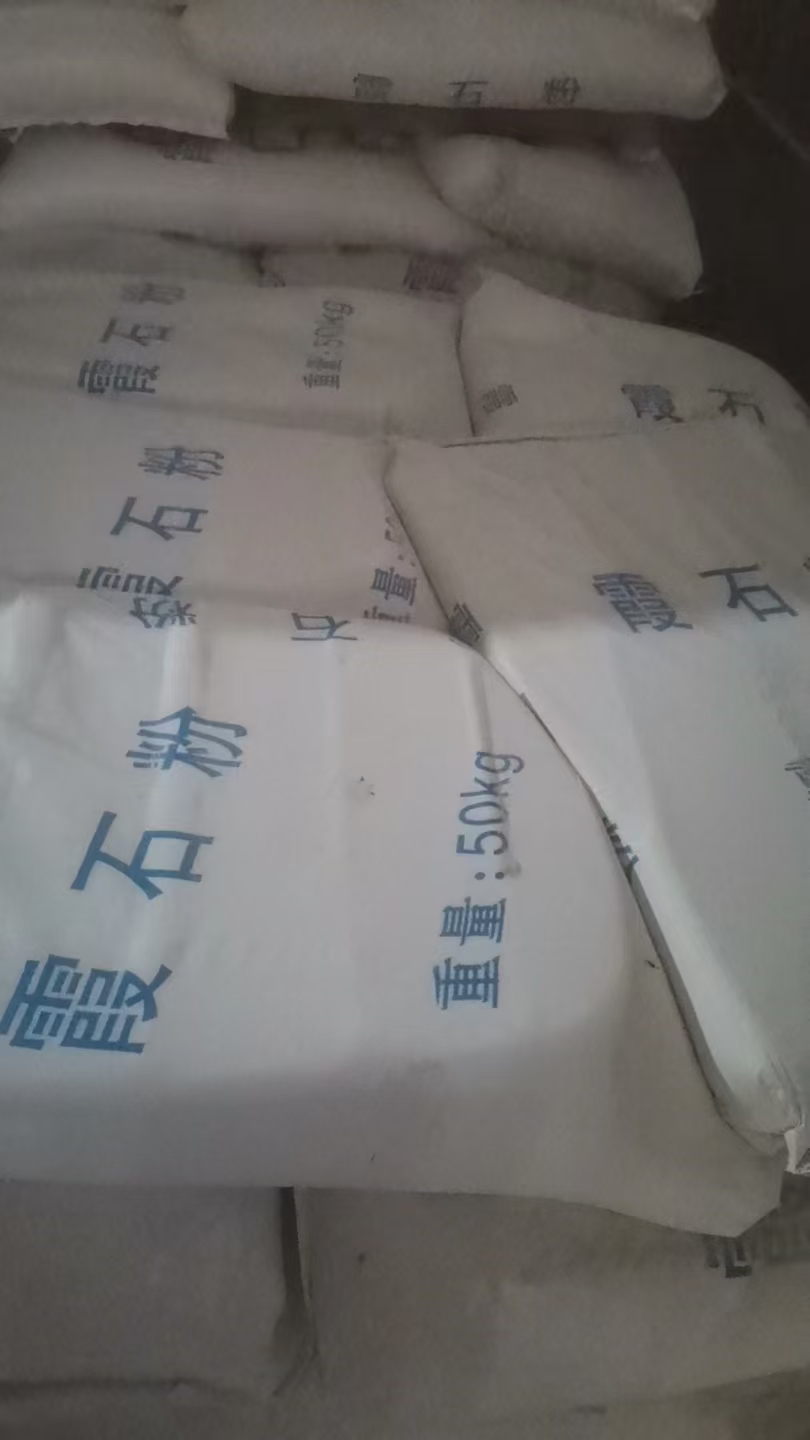
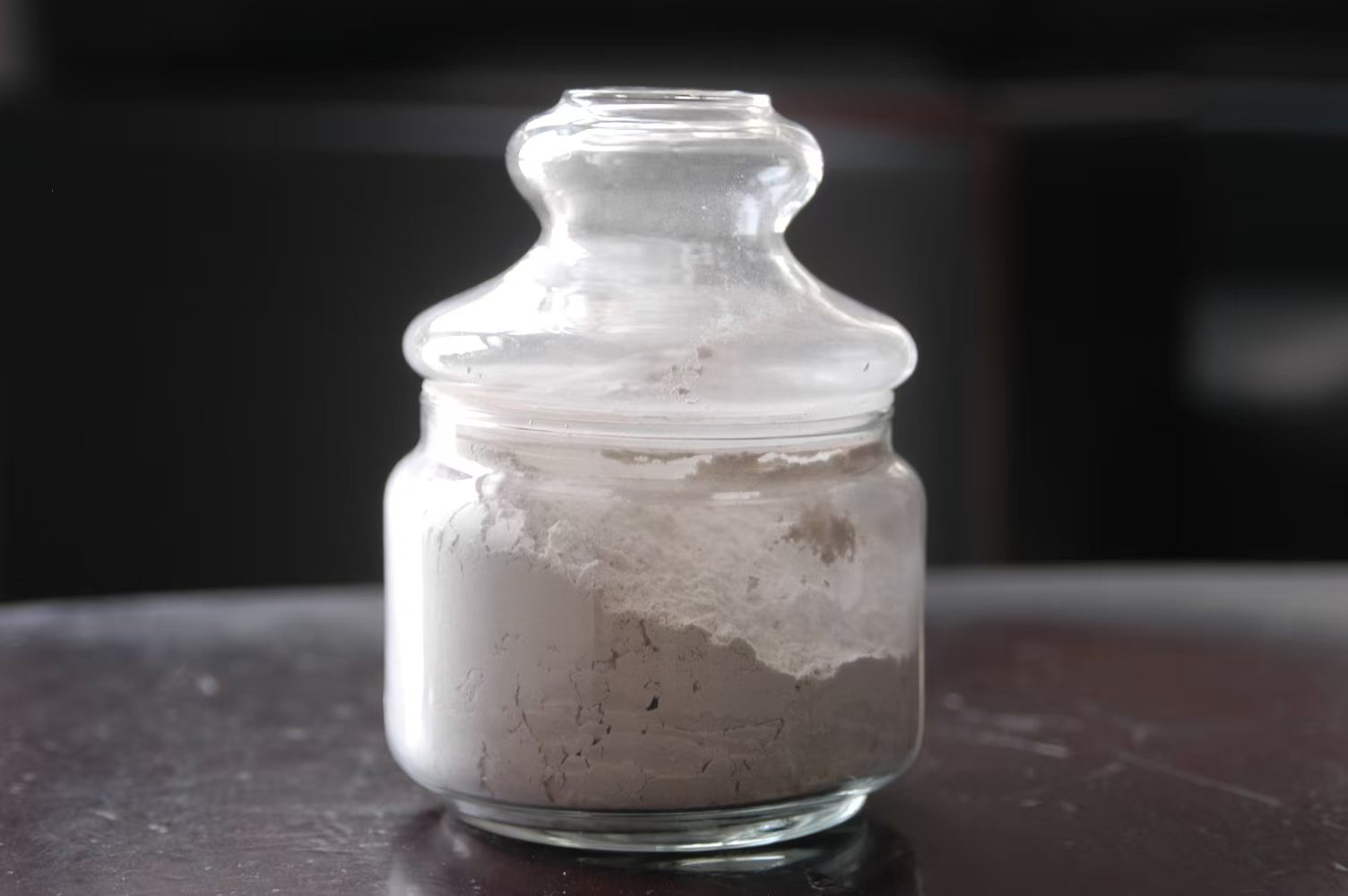
Alumina (Al2O3) is the second most important oxide in ceramic formulations after silica.
Technical Details
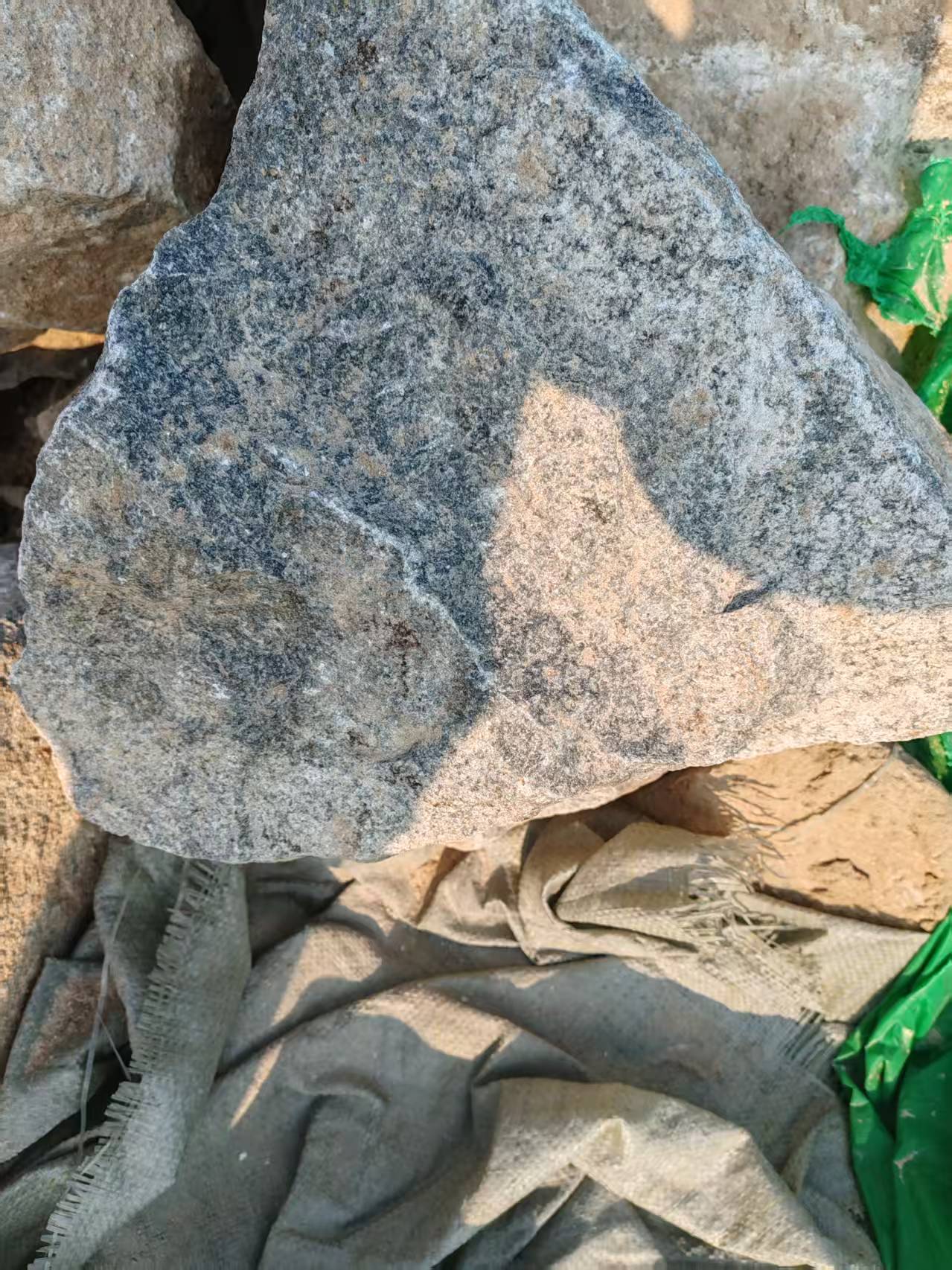
It performs multiple critical functions: in bodies, alumina increases the viscosity of the glass phase during firing (preventing shape distortion), raises mechanical strength of the fired product (10-20% higher MOR for each 2-3% increase in body alumina), and improves chemical durability (resistance to acid and alkali attack). In glazes, alumina prevents excessive flow (keeping the glaze on vertical surfaces), increases hardness (important for polished tiles and tableware), and suppresses uncontrolled devitrification (maintaining transparency in clear glazes). Nepheline syenite provides alumina more efficiently than feldspar: 20-24% Al2O3 vs 17-19% for feldspar. This means every ton of nepheline delivers 15-25% more alumina to your formulation. For products requiring high strength (floor tiles, sanitaryware) or high hardness (polished surfaces, tableware), this additional alumina is a measurable quality advantage. Our K200 provides 21.14% Al2O3, K100 provides 21.02%, and GP20 provides 20.86% — all significantly above feldspar levels.
Practical Application
The alumina from nepheline is already incorporated into the nepheline mineral structure, so it dissolves into the ceramic glass phase during firing rather than remaining as separate alumina crystals..
Our Products & Recommendation
.
Questions about raw material science?
Our technical team provides formulation support and samples for testing.