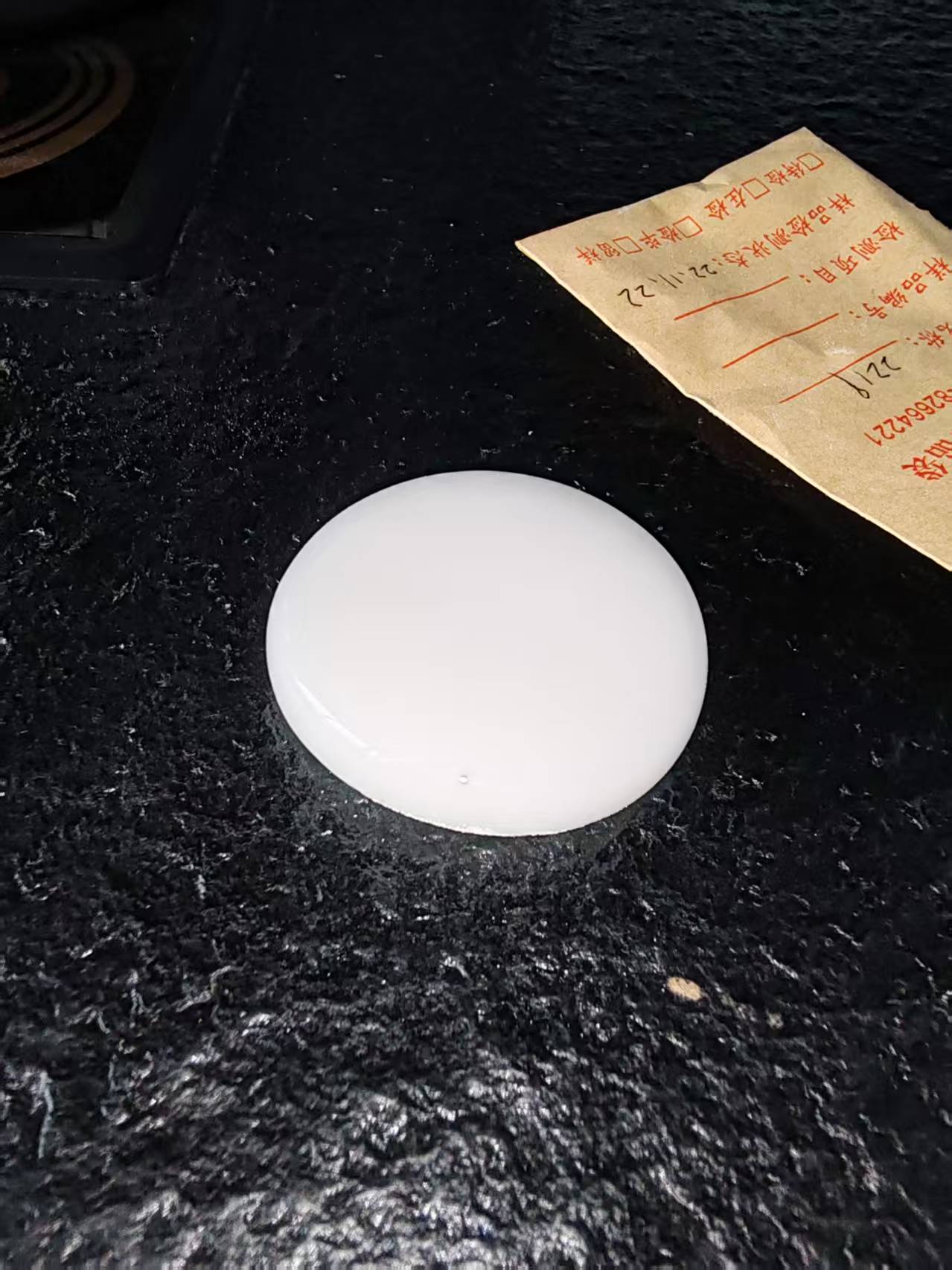
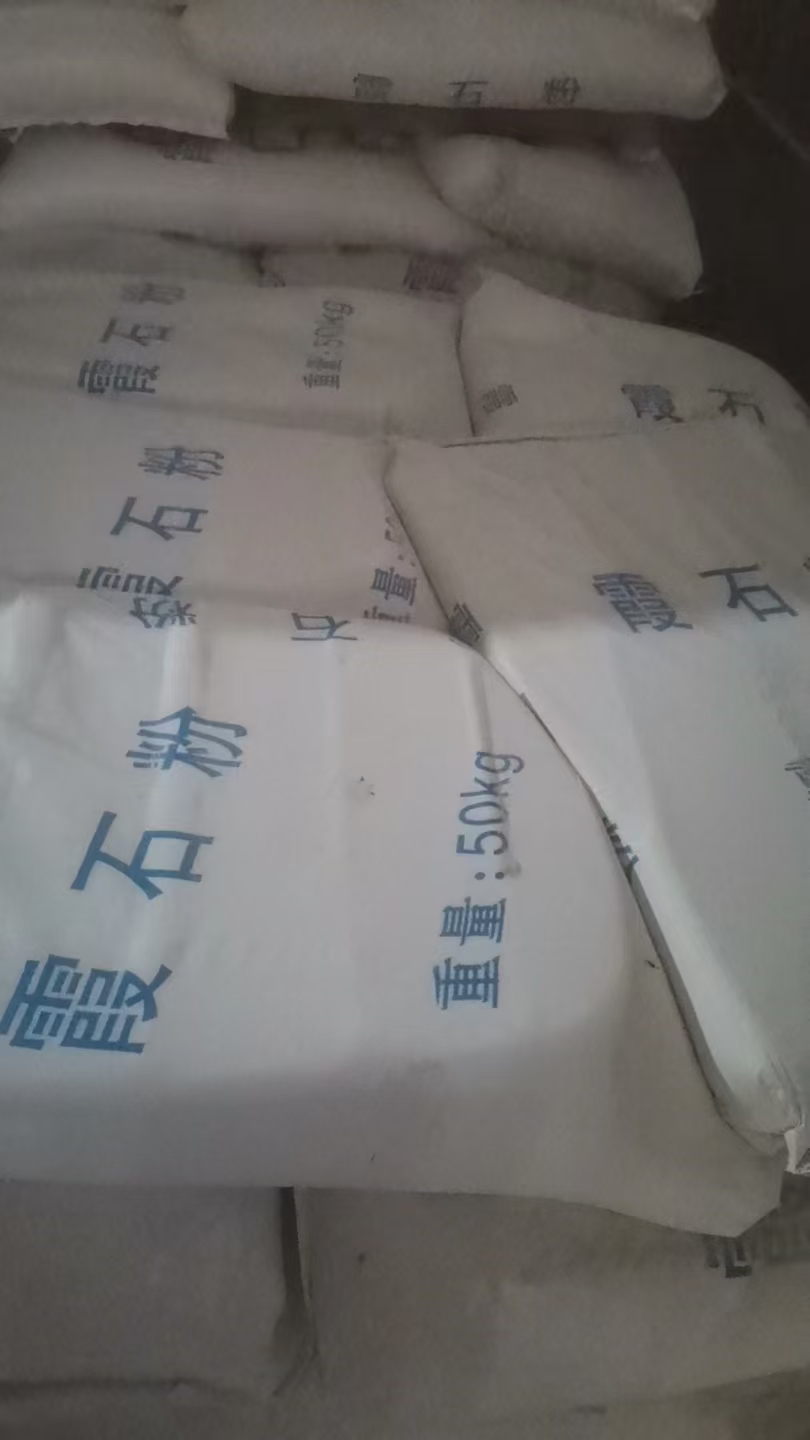
Alkali oxides — Na2O (sodium oxide) and K2O (potassium oxide) — are the primary flux components in ceramic bodies and glazes.
Technical Details
They work by disrupting the strong Si-O-Si bonds in the silicate network, creating non-bridging oxygens that lower the melting temperature and viscosity of the glass phase. This is why alkali content directly determines your firing temperature: more alkali means lower vitrification temperature and more aggressive glass formation. Nepheline syenite provides 14-16% total alkali (Na2O+K2O), approximately 20-30% more per ton than feldspar (10-14%). This higher alkali concentration is why nepheline enables 30-50 degree C lower firing than feldspar at the same formulation weight. Na2O and K2O behave differently: Na2O is a stronger flux (lower viscosity melt) while K2O produces a more viscous melt. Nepheline provides both — the mixed-alkali effect creates a broader melting range than either alkali alone, which is why nepheline gives a wider firing range than pure Na-feldspar or pure K-feldspar.
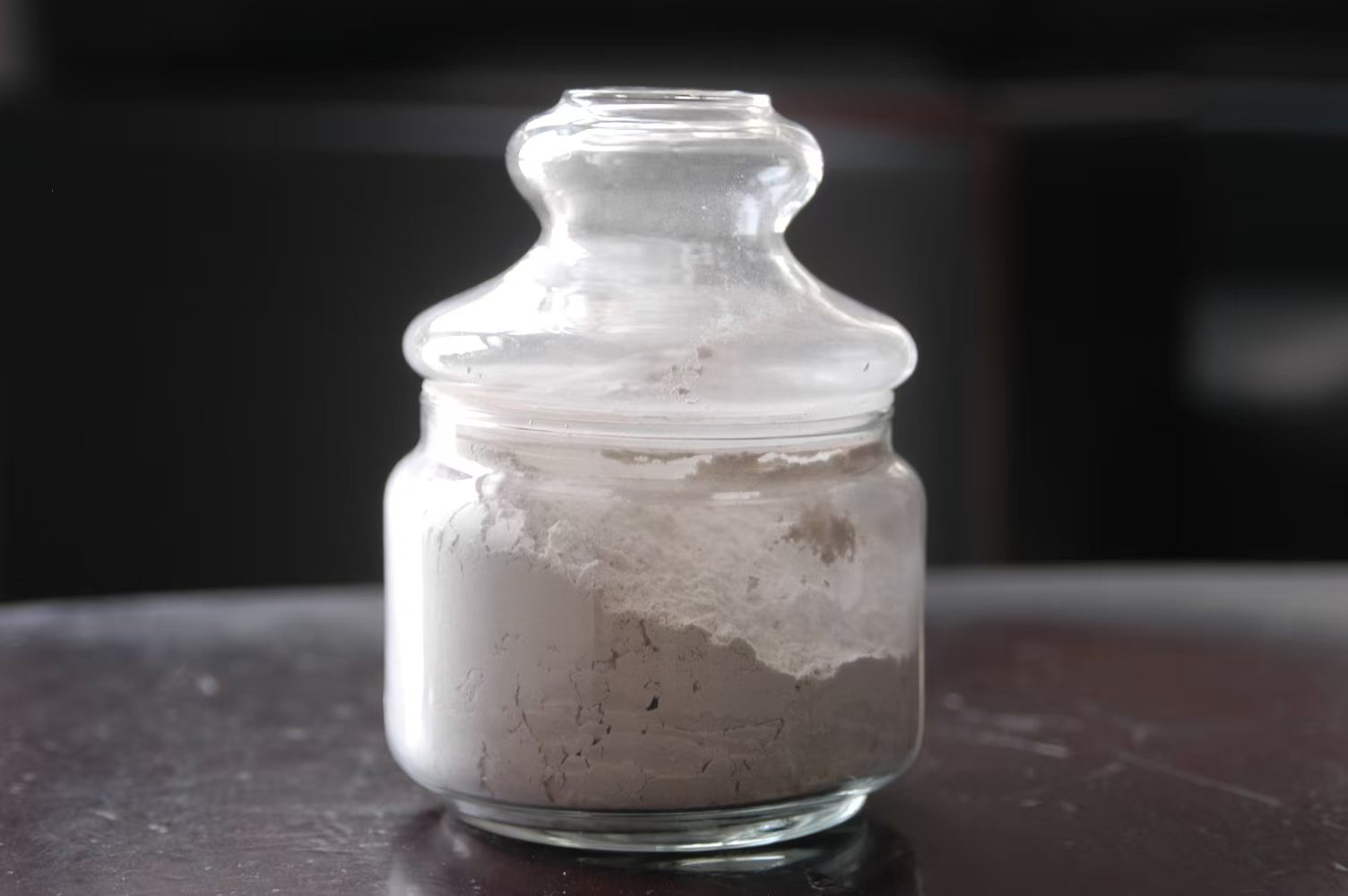
Practical Application
For maximum flux efficiency, choose our K200 or K100 (Na2O-dominant). For applications needing higher viscosity, add our SY101 K-feldspar to increase the K2O/Na2O ratio..
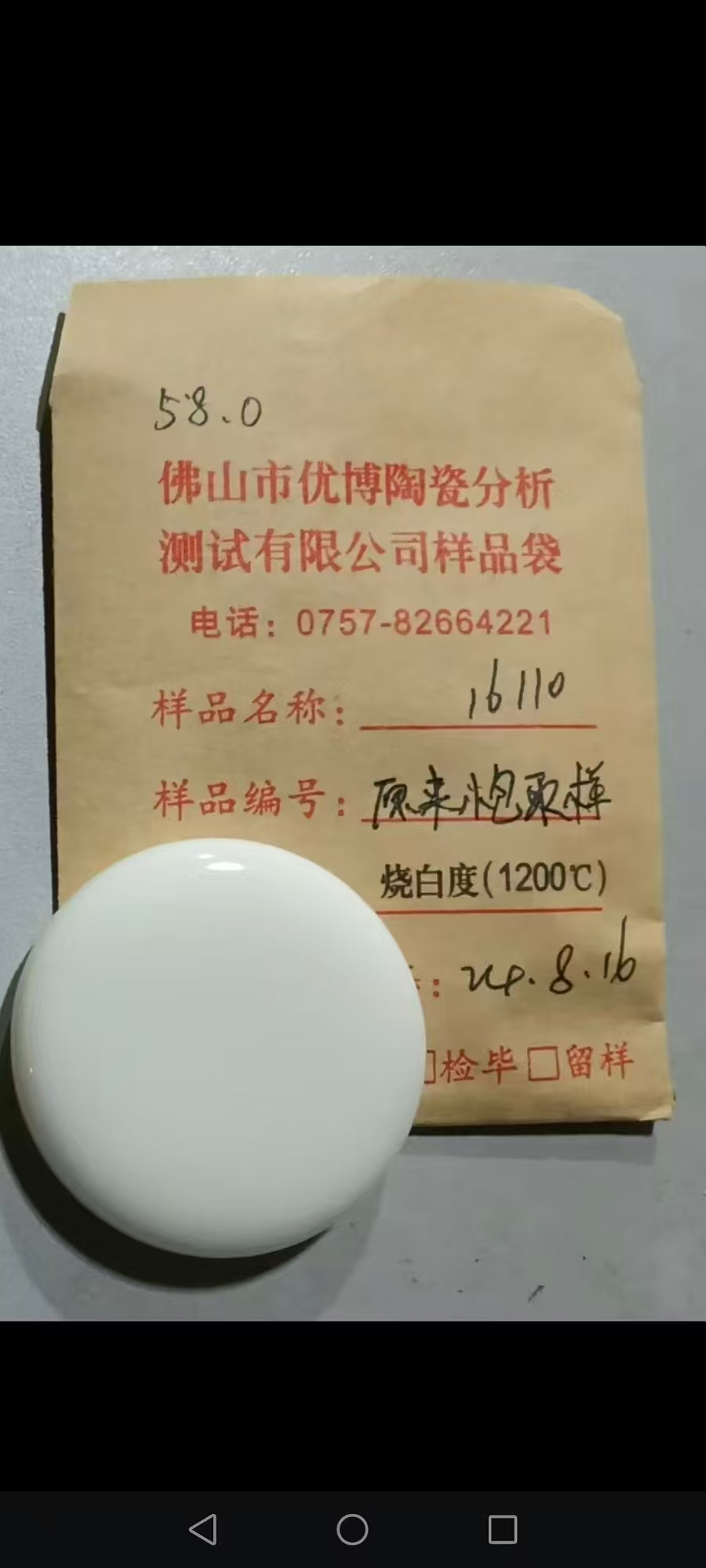
Our Products & Recommendation
.
Questions about raw material science?
Our technical team provides formulation support and samples for testing.