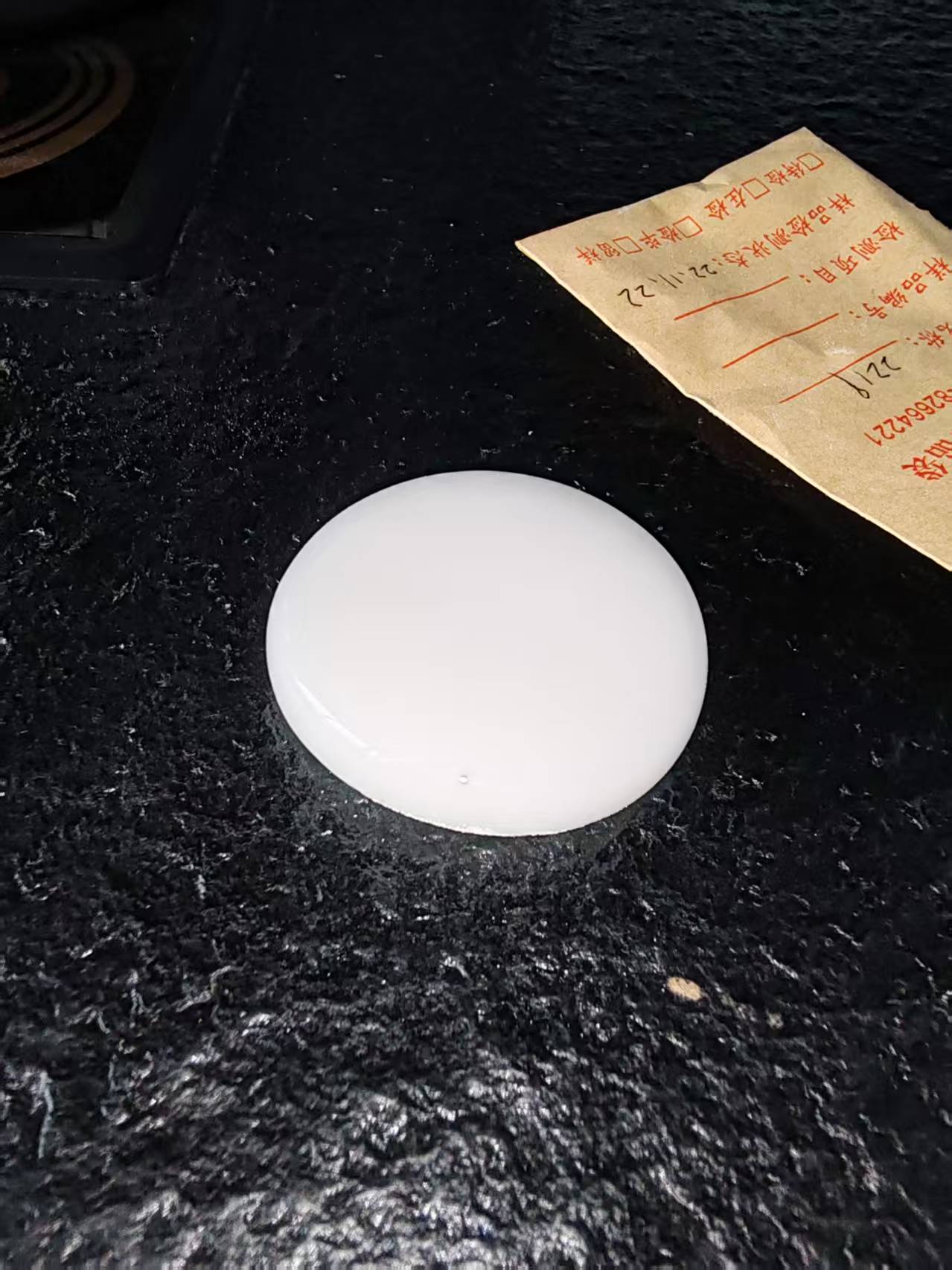
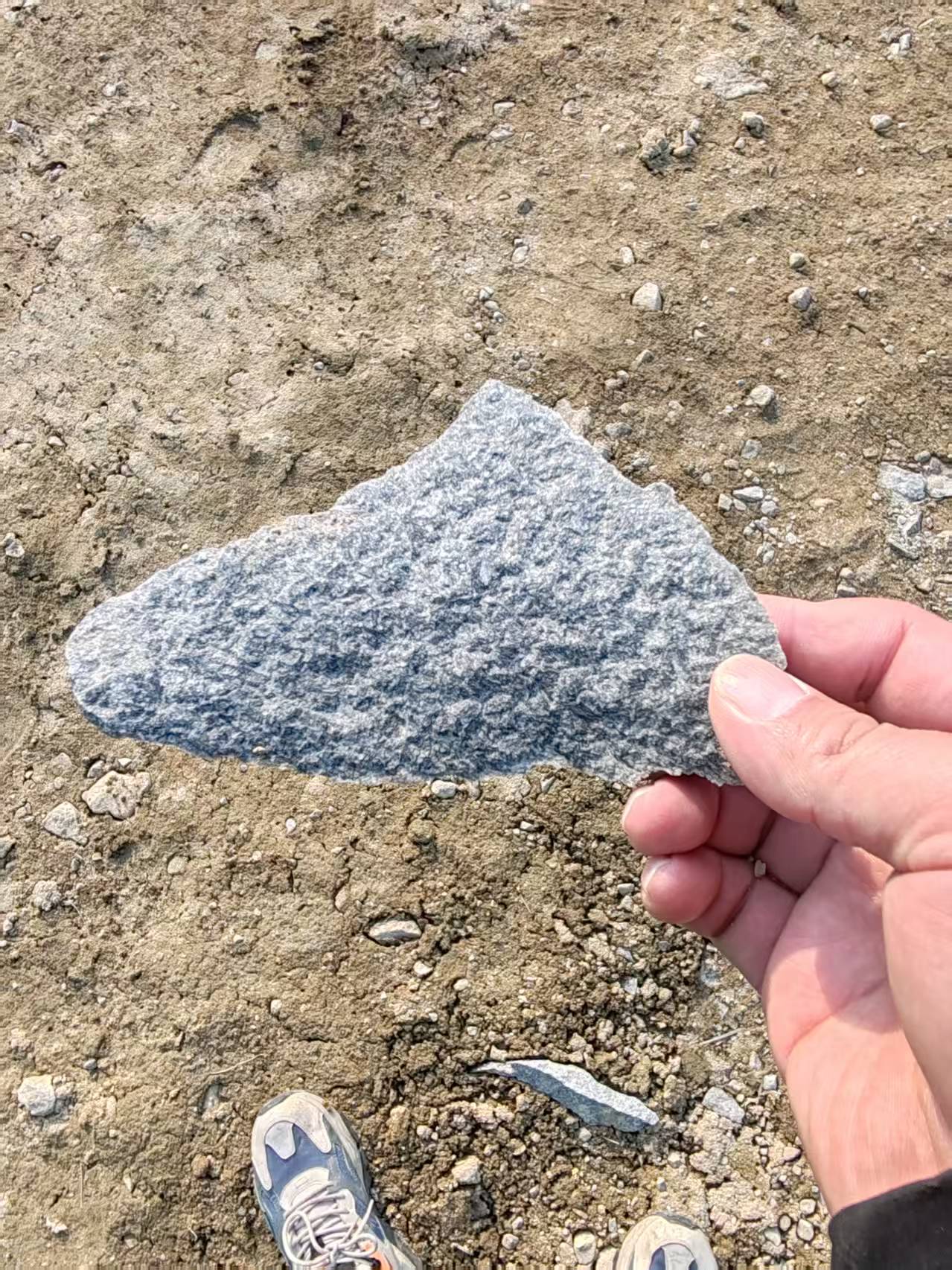
Ceramic frit is a pre-melted glass material used as the basis for ceramic glazes and engobes. Frit production involves melting a precise mixture of raw materials at 1400-1500 degrees C in a refractory-lined furnace, then quenching the molten glass in water to produce granules that are subsequently milled into a fine powder. Nepheline syenite is an exceptionally efficient raw material for frit production because it supplies five useful oxides from a single material — simplifying batch calculations, reducing the number of separate raw materials to weigh and mix, and improving batch homogeneity.
Five Oxides from One Material
Our GP20 grade provides: SiO2 (56.64%) as the glass-forming oxide, Al2O3 (20.86%) for chemical durability and viscosity control, K2O (9.24%) as an alkali flux, Na2O (6.39%) as additional flux, and CaO (5.34%) for modifying the glass properties including thermal expansion and chemical resistance. In a traditional frit recipe, these five oxides would come from five separate raw materials — quartz for SiO2, alumina hydrate for Al2O3, potash for K2O, soda ash for Na2O, and calcium carbonate for CaO. Using GP20 as a partial replacement for these individual materials simplifies the batch weighing process, reduces the chance of weighing errors, and improves the uniformity of the raw batch before it enters the furnace.
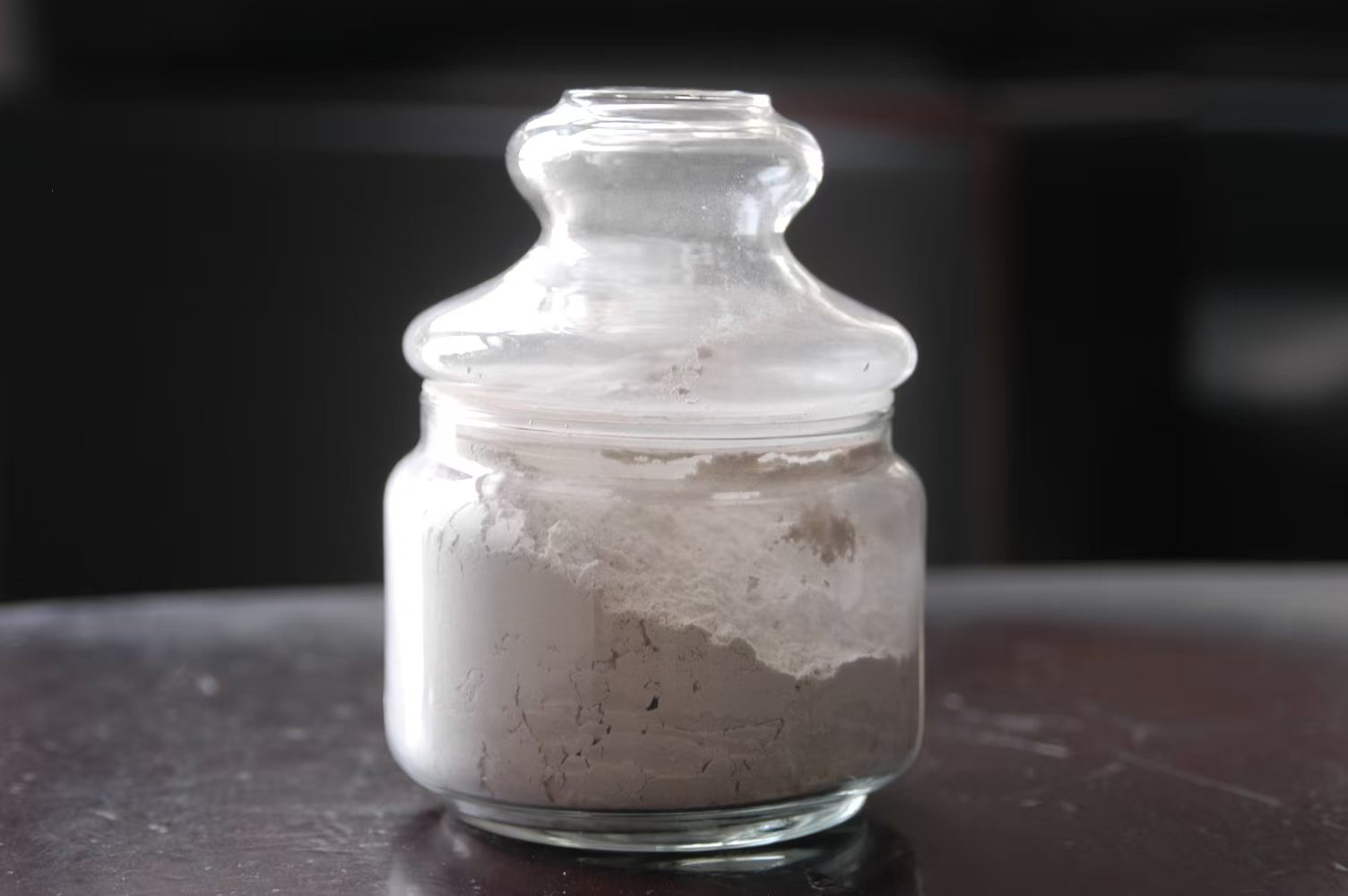
GP20: The Frit Producer\'s Choice
Among our three nepheline grades, GP20 is specifically recommended for frit production for several reasons. First, its high CaO content (5.34%) is a valuable characteristic for many frit compositions — particularly matte frit and calcium-based glass formulations where CaO is a required component. With K200 or K100, the CaO contribution is minimal (0.16% and 0.31% respectively), so calcium carbonate would need to be added separately. Second, GP20 has the highest total alkali content (K2O 9.24% + Na2O 6.39% = 15.63%), providing maximum fluxing power per ton — which helps the frit batch melt faster and at lower temperature, saving energy in the frit furnace.
Safety Advantage: No Free Silica
Frit furnace operators handle and weigh raw materials daily — worker exposure to fine mineral dust is an occupational health consideration. Standard quartz (silica sand) contains crystalline silica, which poses a well-documented respirable dust hazard. Nepheline syenite contains no free quartz, so substituting GP20 for a portion of the quartz in a frit recipe reduces the overall free-silica content of the raw batch, improving the workplace health profile. This is increasingly important as ceramic companies worldwide strengthen their occupational health and safety compliance.
Typical Usage in Frit Recipes
GP20 can typically replace 15-30% of a frit raw batch by weight, substituting for portions of silica sand, soda ash, potash, alumina hydrate, and calcium carbonate simultaneously. The exact substitution rate depends on the target frit composition — our technical team can help you calculate the optimal GP20 addition for your specific frit recipe. Contact us with your target frit oxide composition and we will provide a recommended batch calculation.
Need formulation support?
Our technical team helps you optimize your formulation. Samples for lab testing.