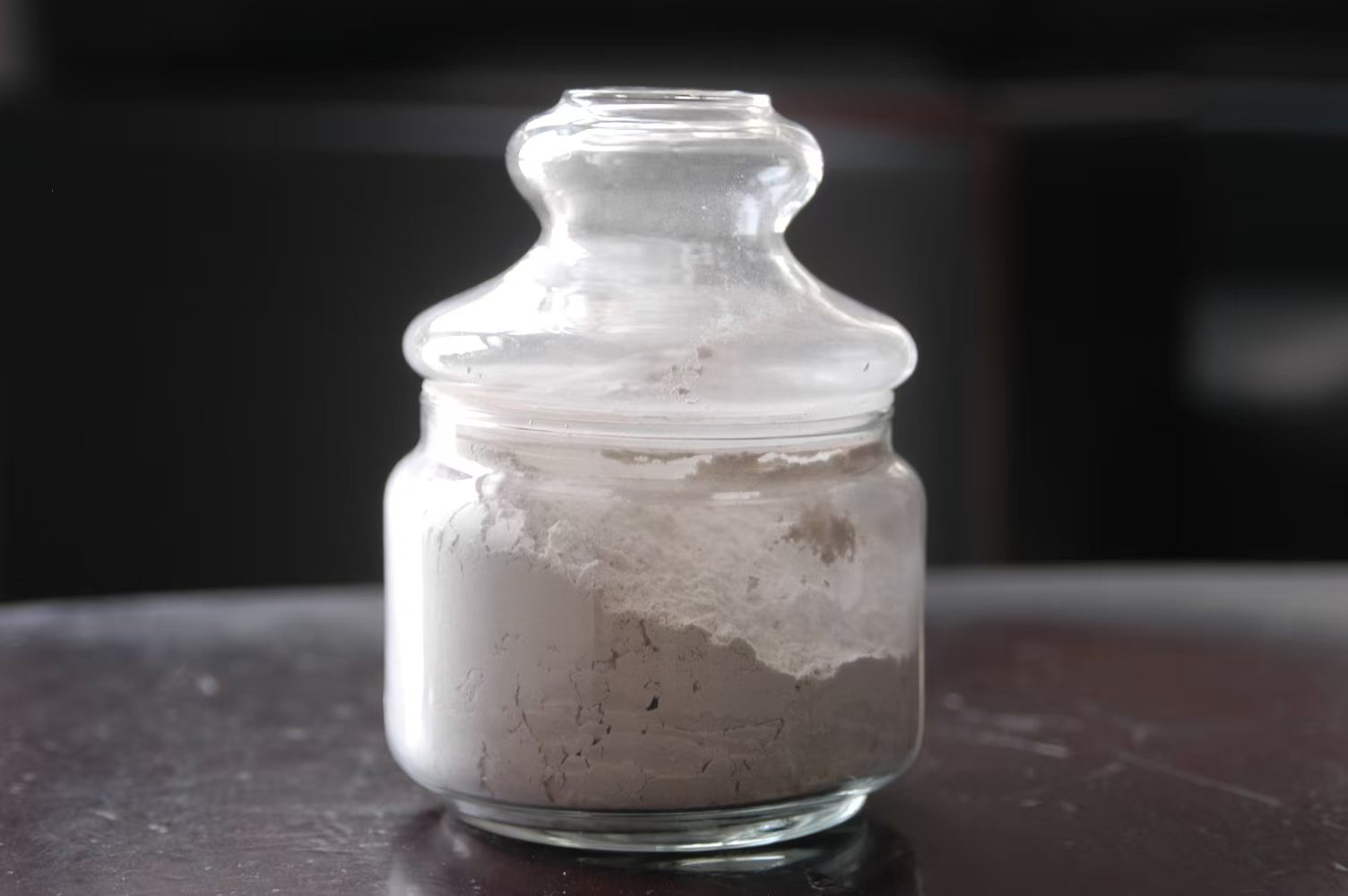
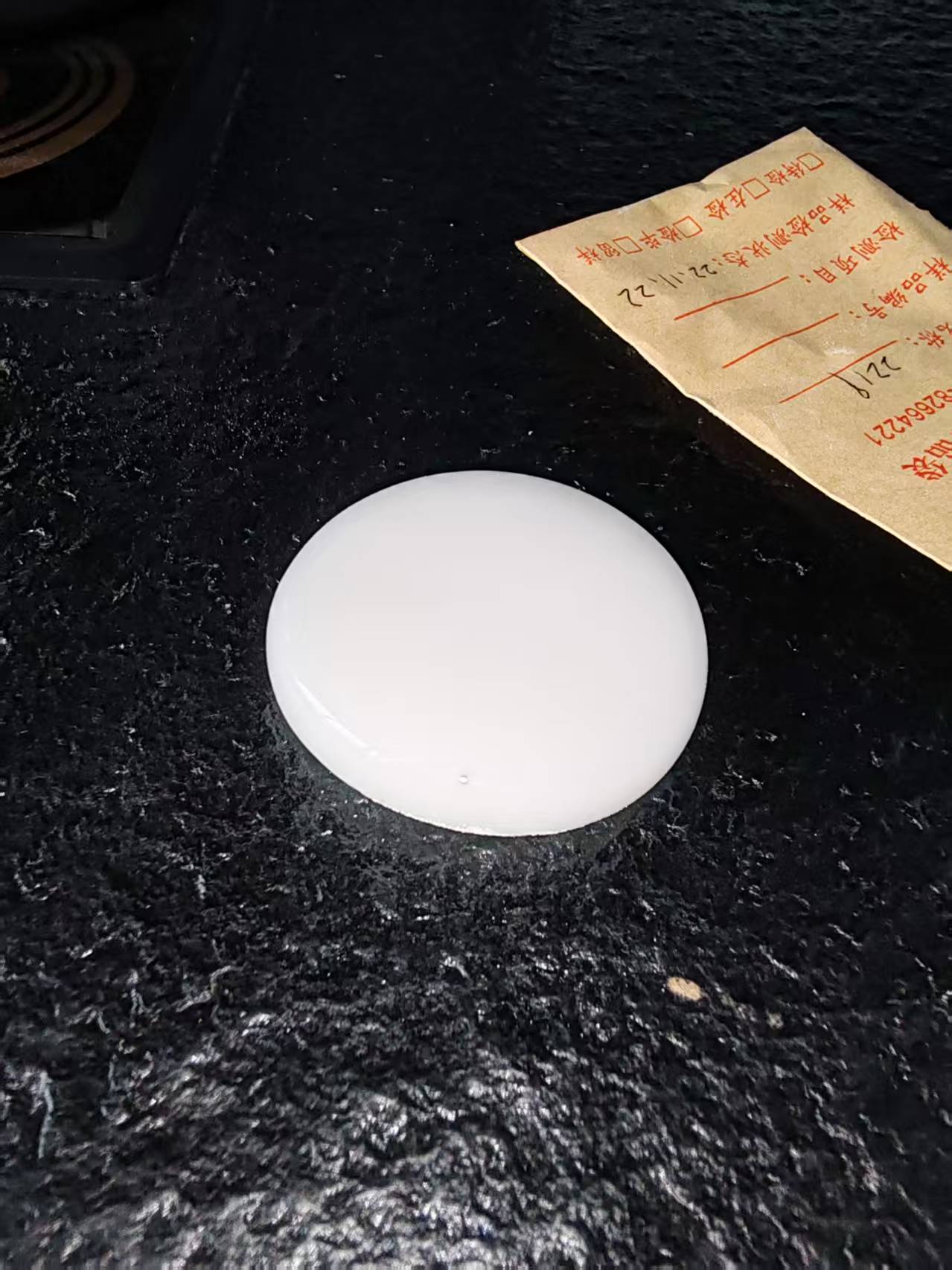
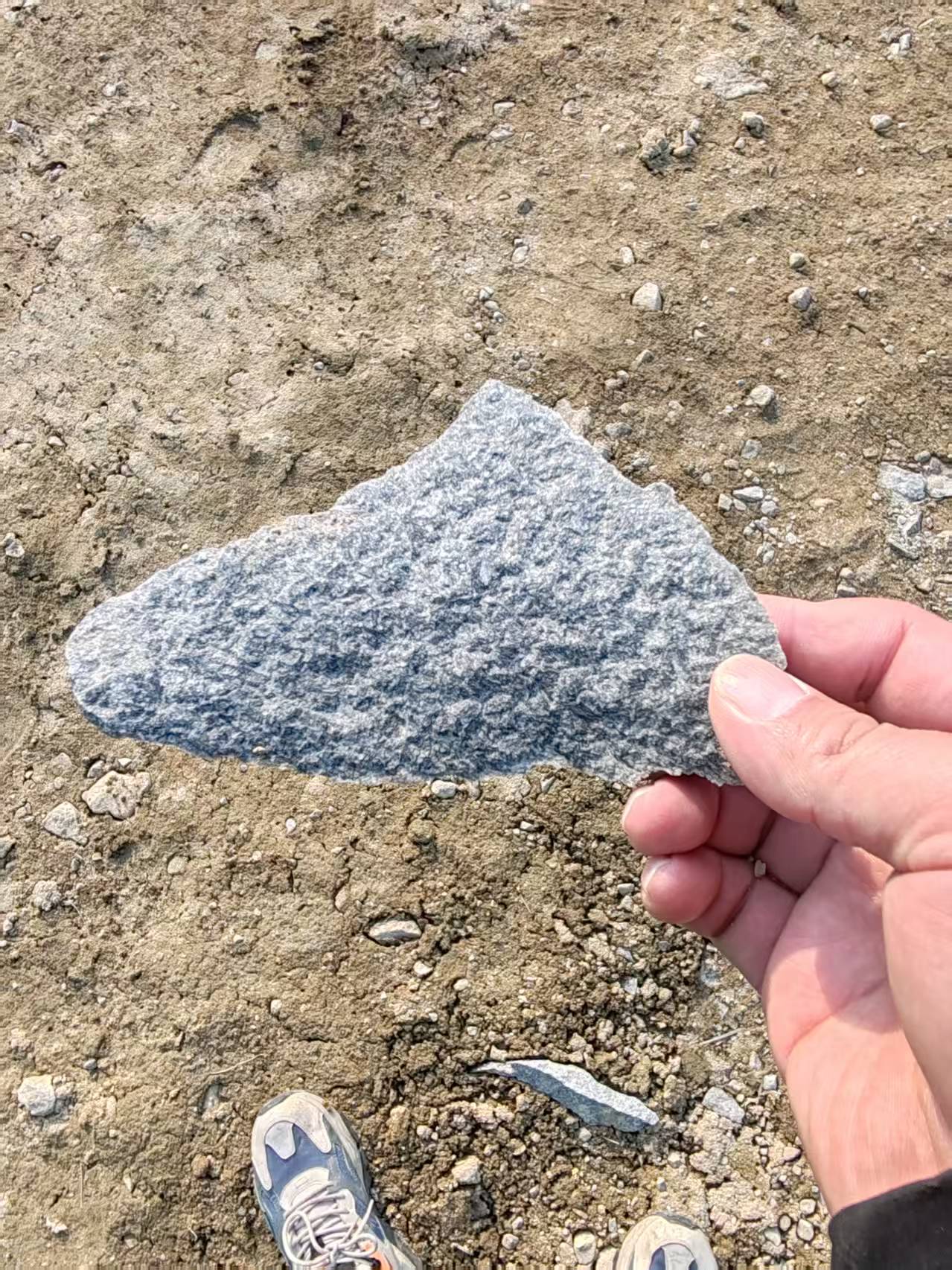
Rustic tiles — characterized by their textured surfaces, natural stone appearance, and slightly irregular dimensions — occupy a growing market segment driven by consumer demand for natural-looking interior and exterior surfaces.
Application Overview
Unlike polished porcelain where perfect flatness and whiteness are paramount, rustic tiles value controlled surface texture, earth-tone color variations, and a handcrafted aesthetic. However, the body still requires adequate vitrification for durability, especially for outdoor rustic tiles that must resist frost damage. Nepheline syenite in rustic tile bodies provides the controlled vitrification needed for durability while keeping the firing temperature moderate for energy efficiency. GP20 is particularly interesting for rustic applications — its high CaO (5.34%) can promote subtle surface crystallization effects that complement the rustic aesthetic, while its high total alkali (15.63%) ensures adequate body densification.

Technical Details & Formulation
Typical rustic tile body: 35-45% local clay (for natural color variation), 15-22% nepheline (GP20 or K100), 20-25% quartz, 5-10% calcium carbonate, 3-5% iron-bearing materials (for earth tones)..
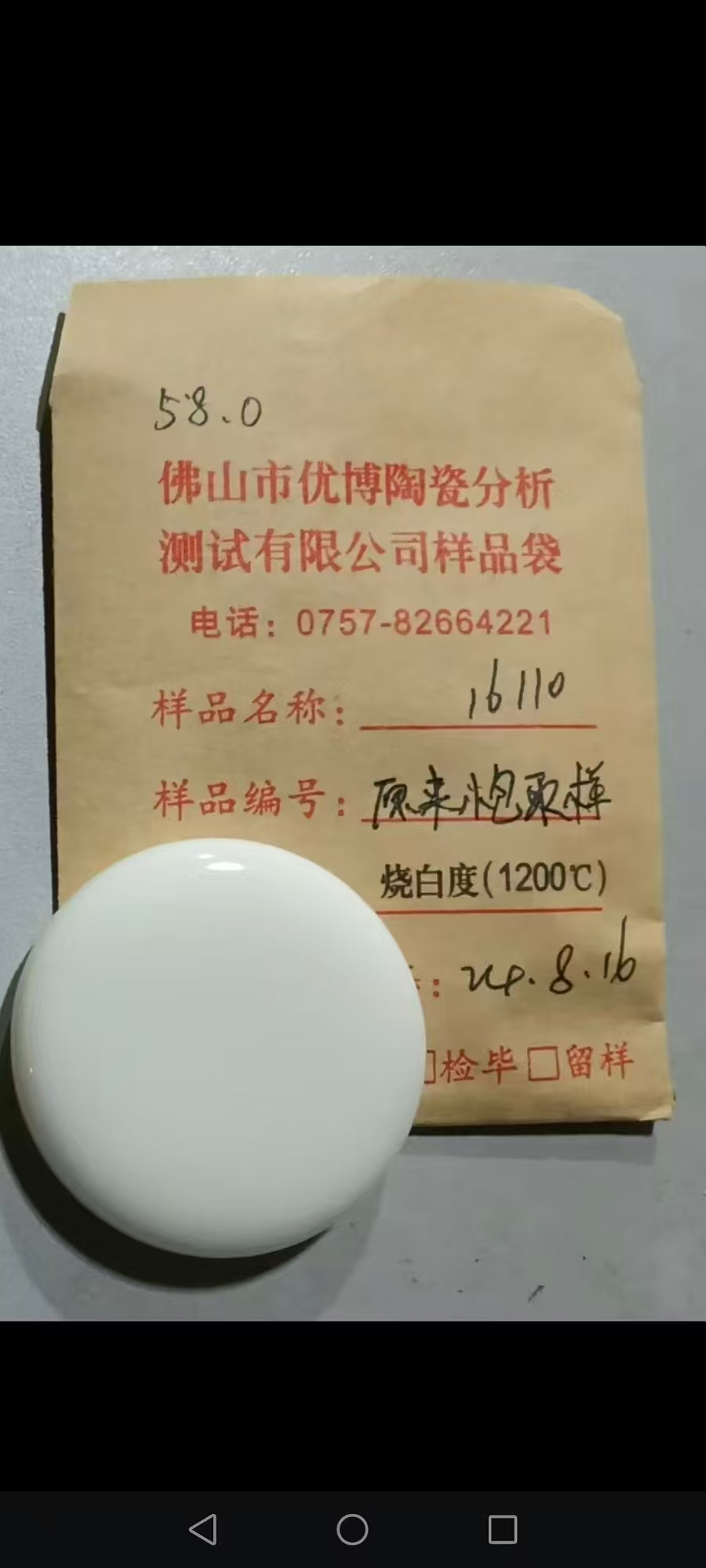
Product Recommendation
.
Need formulation support?
Our technical team helps you optimize your formulation. Samples for lab testing.