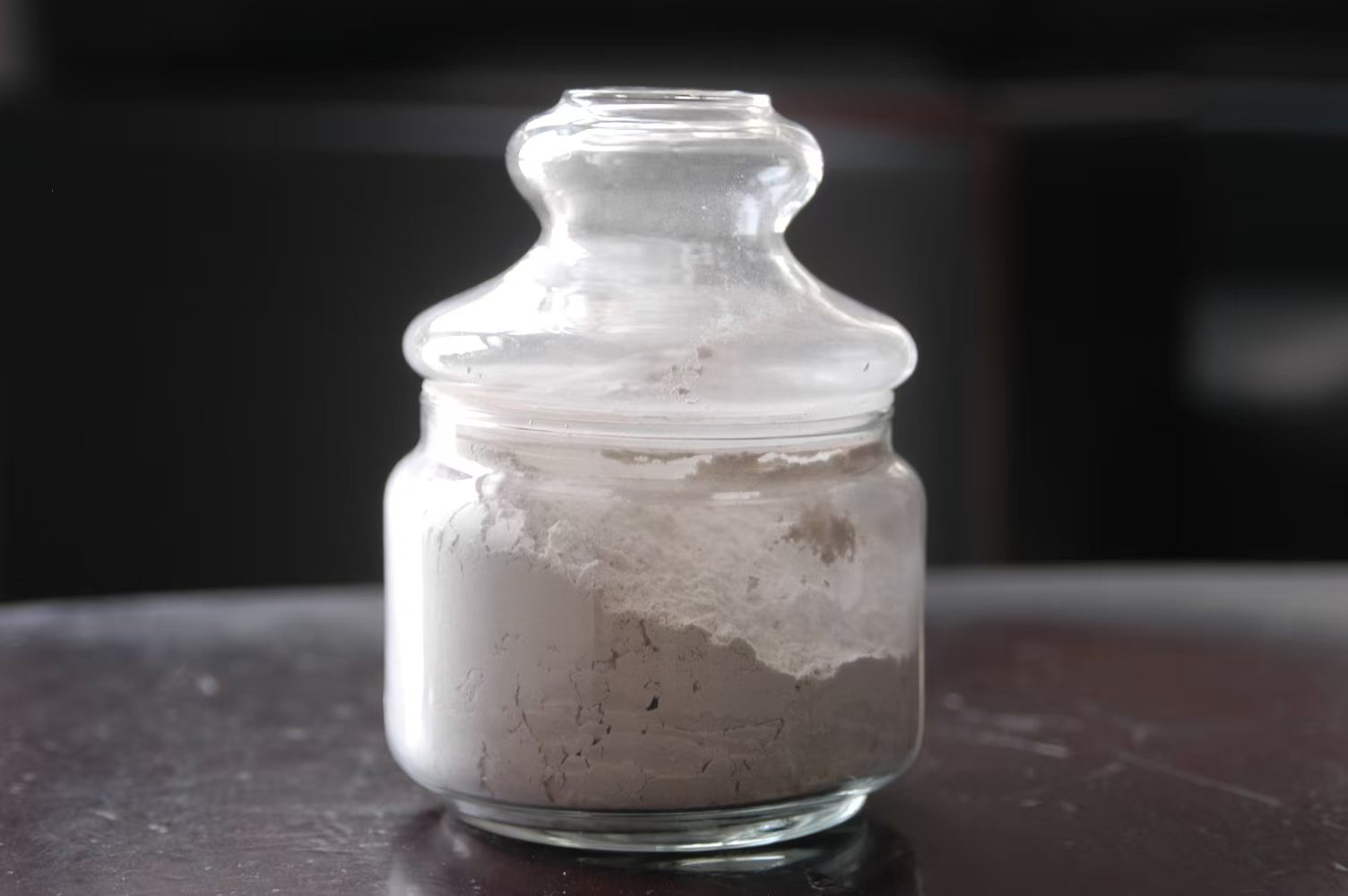
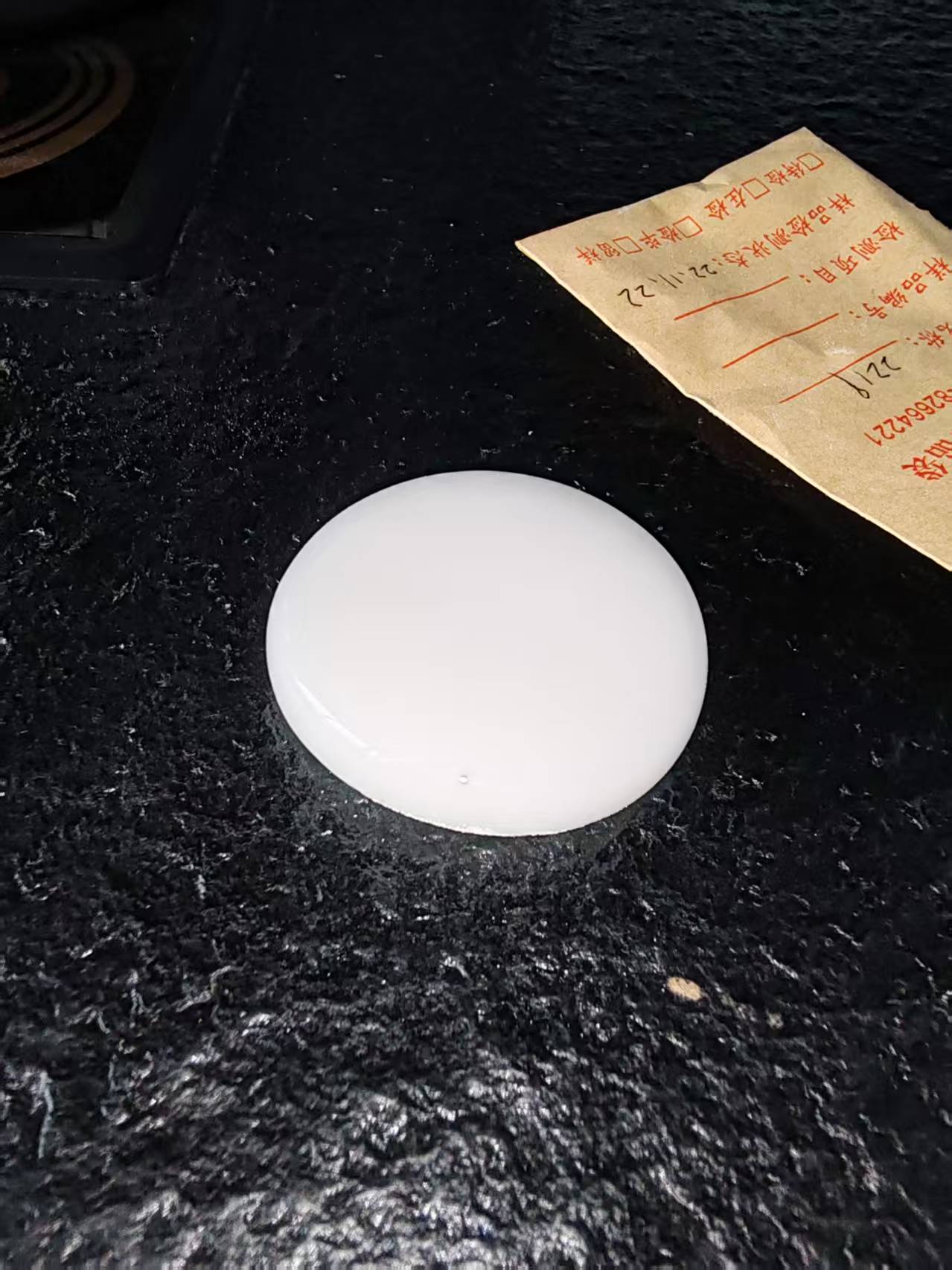
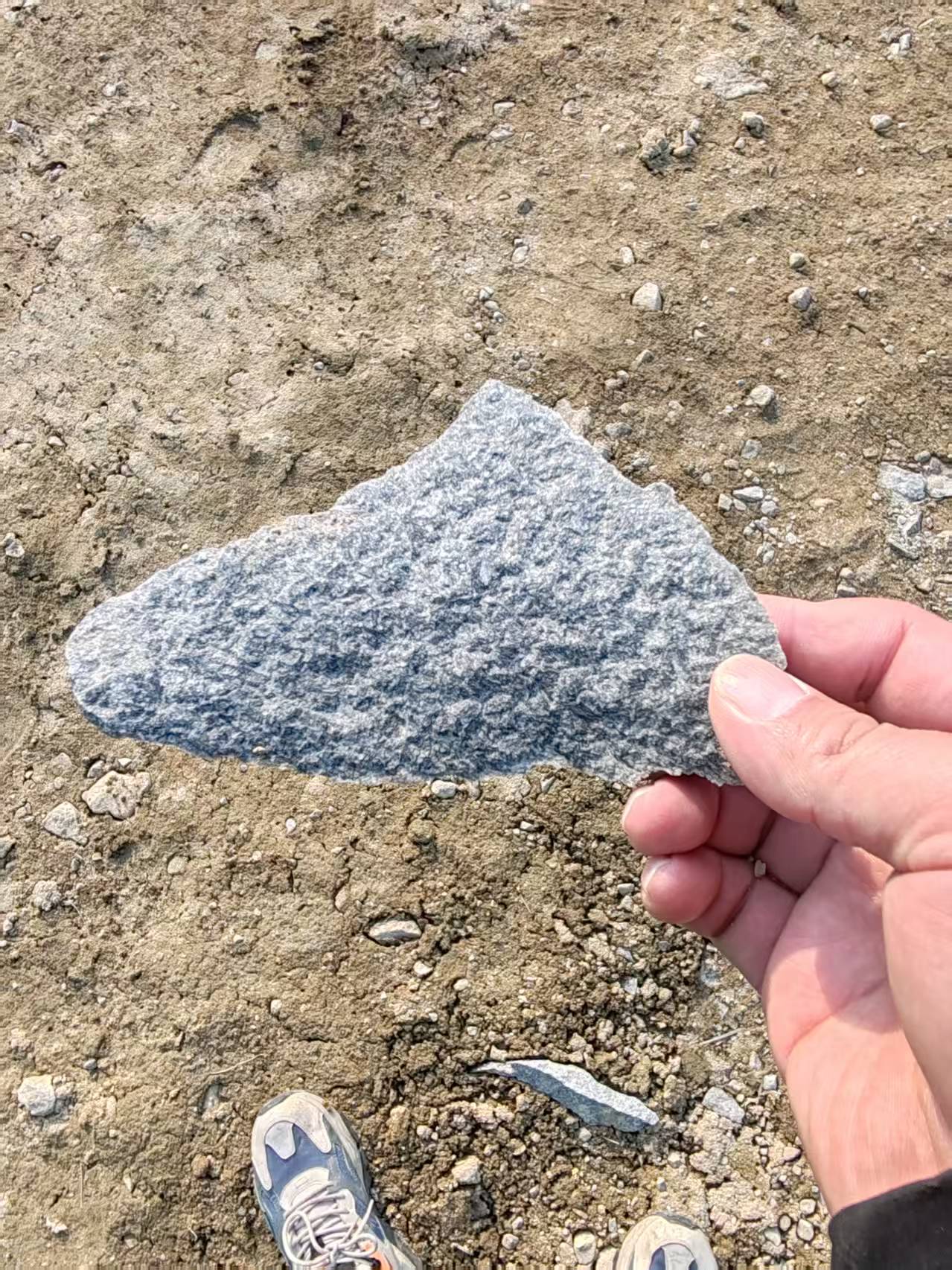
Dry pressing is the dominant forming method for ceramic floor and wall tiles.
Application Overview
The process uses spray-dried granules (press powder) compacted in hydraulic or friction presses at 250-450 kg/cm2 to form green tiles. Nepheline syenite in press body formulations must be properly integrated into the ball milling and spray drying process to maximize its effectiveness. Ball milling: nepheline should be co-milled with clay, quartz, and other body components in a ball mill with water to achieve a uniform slip with target residue of 2-4% on 63-micron sieve (for floor tiles) or 4-6% (for wall tiles). The nepheline dissolves into the slip along with other materials, ensuring homogeneous distribution of flux components throughout every spray-dried granule.
Technical Details & Formulation
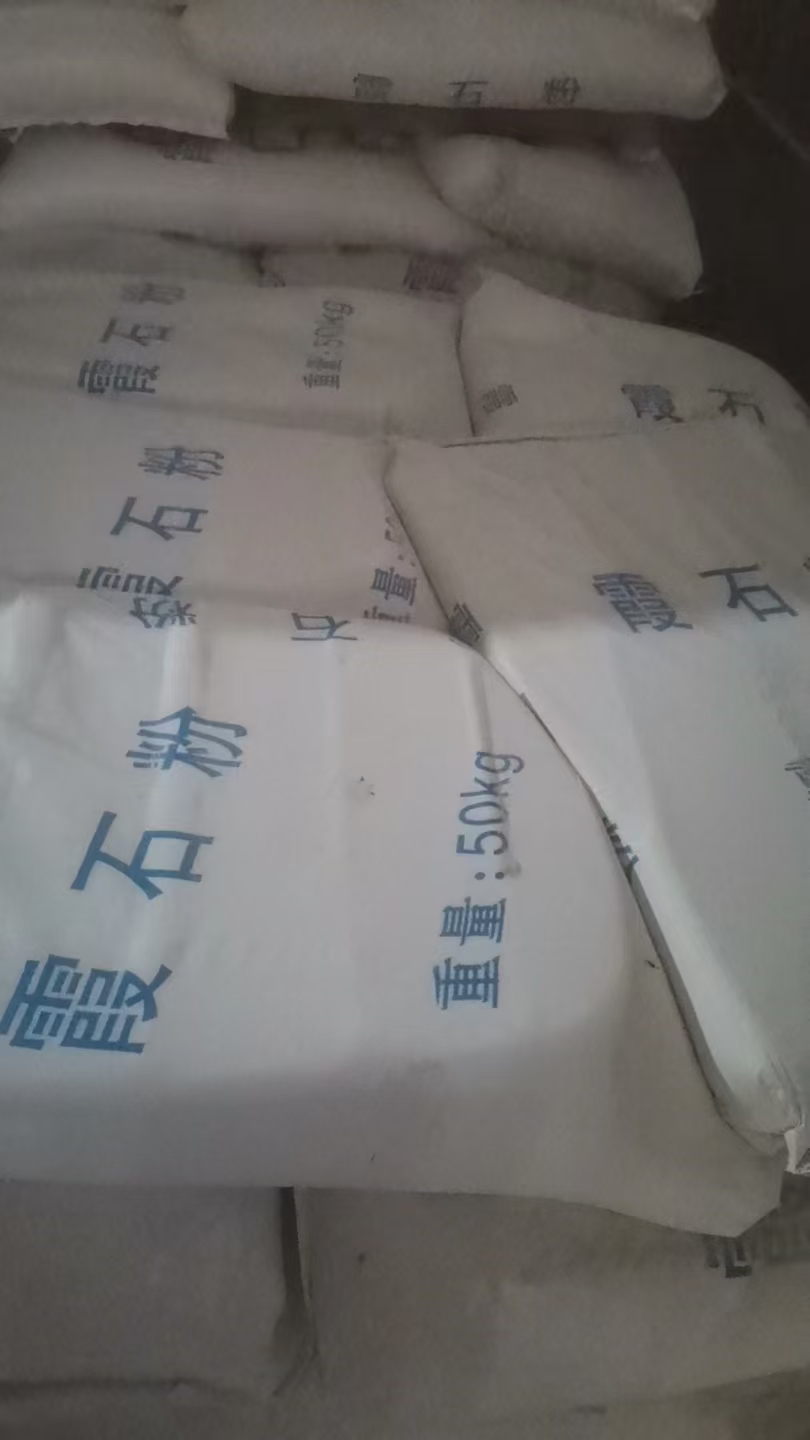
Spray drying: the slip is atomized and dried to produce free-flowing granules with 5-7% moisture content. Nepheline-containing granules typically show good pressing behavior with smooth compaction and adequate green strength. Pressing: compact at 300-400 kg/cm2. Nepheline-containing bodies generally require slightly lower pressing pressure than feldspar bodies for the same green density, due to the finer particle size and better particle packing. Our K100 grade is the standard choice for volume press body production, while K200 serves premium porcelain press bodies..
Product Recommendation
.
Need formulation support?
Our technical team helps you optimize your formulation. Samples for lab testing.