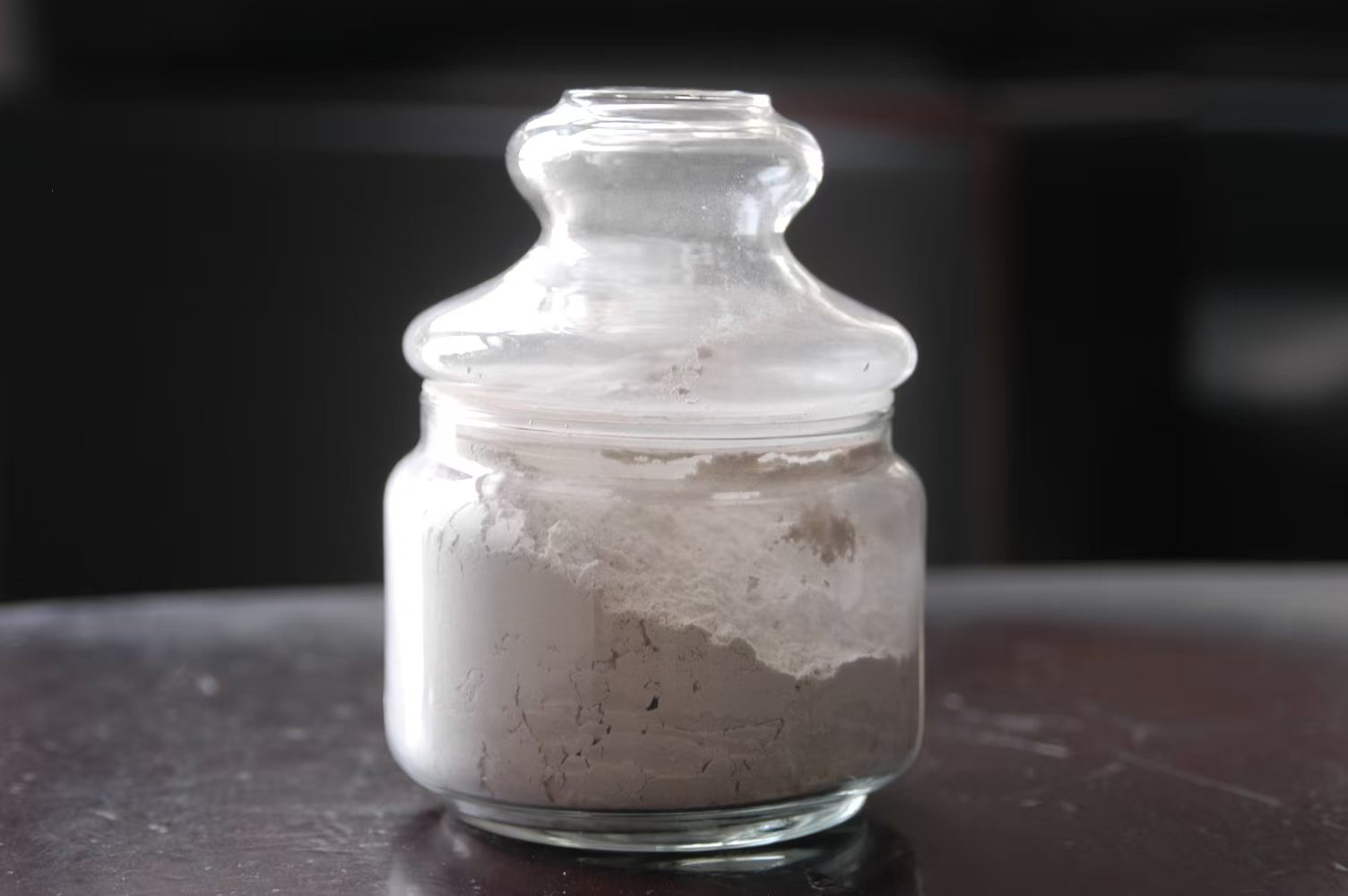
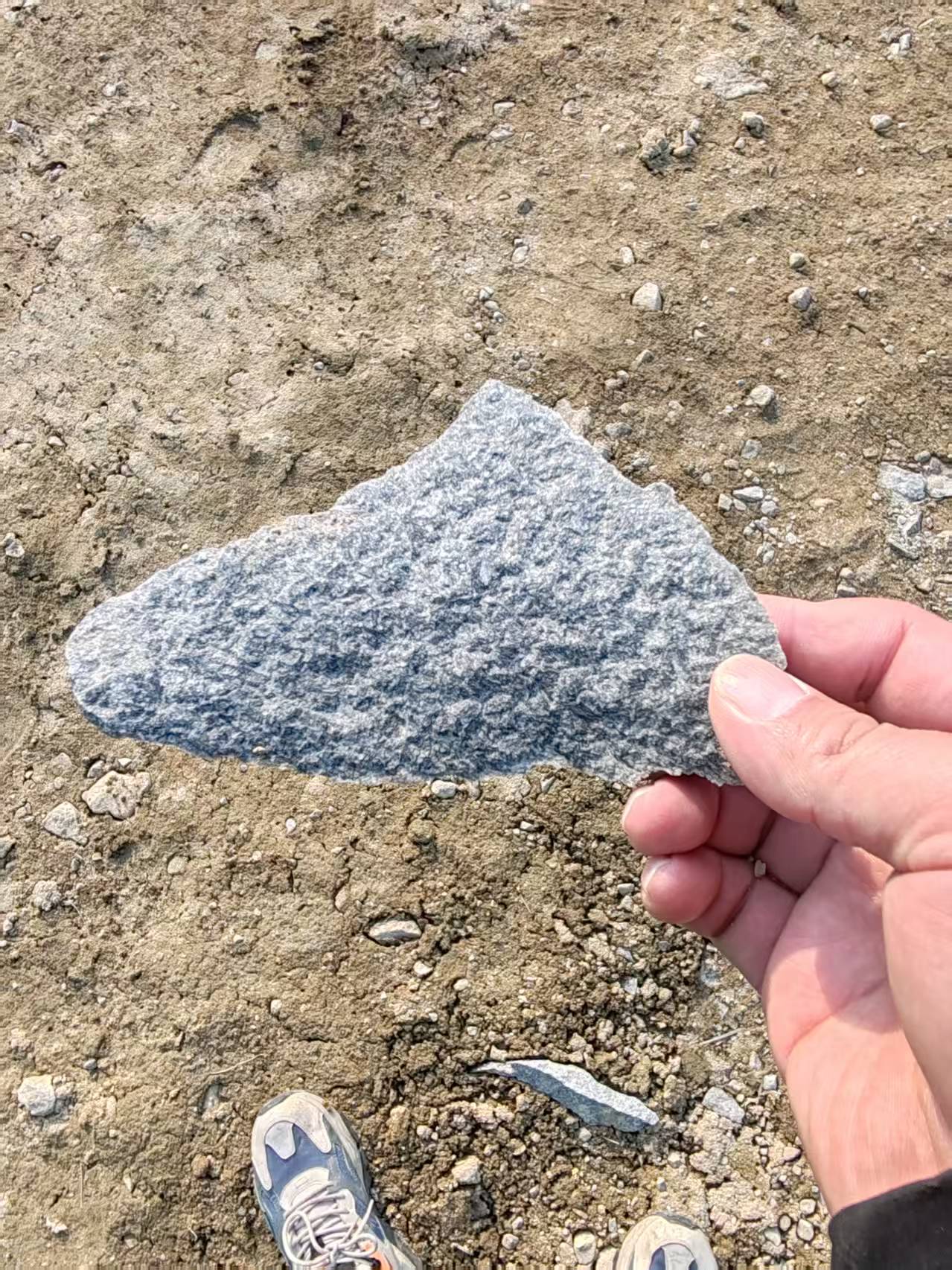
Polished porcelain tiles — also known as polished vitrified tiles (PVT) or glazed vitrified tiles (GVT) — represent the premium segment of the ceramic tile market. These tiles require full vitrification (water absorption below 0.5%) with brilliant whiteness in the body, because the polishing process exposes the body surface directly or the thin transparent glaze reveals the body color underneath. Nepheline syenite is the ideal flux for achieving both complete vitrification and ultra-white body color in a single raw material.
Why Polished Porcelain Demands Better Raw Materials
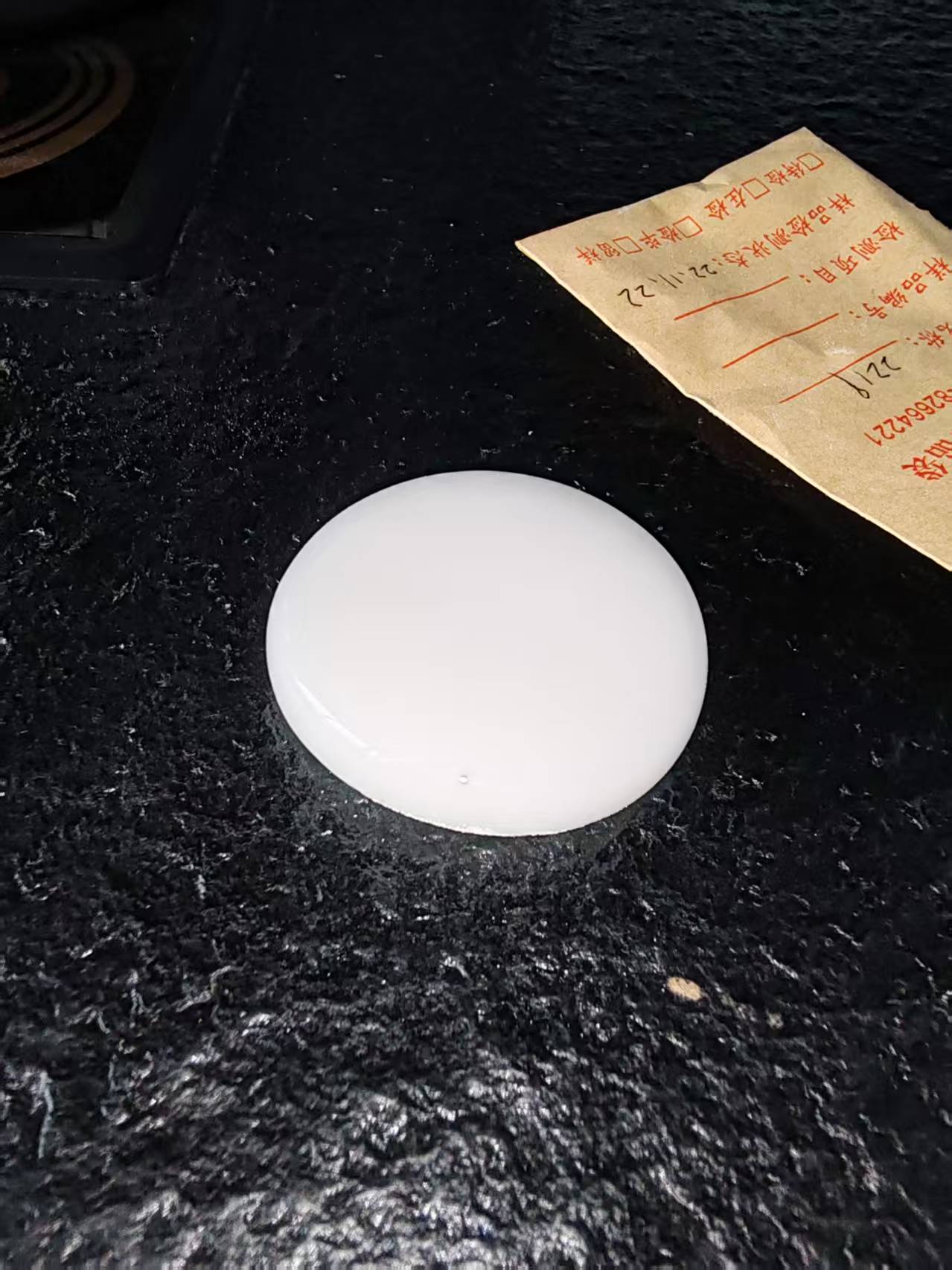
Unlike standard glazed tiles where an opaque glaze layer hides the body, polished porcelain tiles expose the body directly to the eye. Every impurity in the body — especially iron (Fe2O3) and titanium (TiO2) — becomes visible as color contamination. A body containing 0.3% Fe2O3 from standard feldspar will fire to a noticeable cream-yellow color that is clearly visible in the polished surface, especially under showroom lighting where buyers make purchasing decisions. The difference between 0.08% Fe2O3 (our K200 grade) and 0.25% Fe2O3 (typical dry-processed feldspar) is strikingly obvious in a side-by-side comparison of polished porcelain samples.
Full vitrification requires aggressive fluxing to eliminate all open porosity. Nepheline syenite delivers 20-30% more flux (Na2O + K2O) per ton than feldspar, enabling complete vitrification at lower temperatures. This dual advantage — whiteness plus vitrification — is why the world's leading polished porcelain manufacturers specify nepheline syenite rather than feldspar as their primary flux.
Formulation Guidelines
A typical polished porcelain tile body formulation using nepheline syenite:
| Raw Material | Weight % | Function |
|---|---|---|
| Ball clay | 25-30% | Plasticity, green strength |
| Kaolin | 10-15% | Whiteness, alumina source |
| Nepheline syenite (K200) | 25-30% | Primary flux, alumina |
| Quartz / silica sand | 20-25% | Framework, thermal stability |
| Talc | 2-5% | Secondary flux, expansion control |
| Additives | 1-3% | Binder, deflocculant |
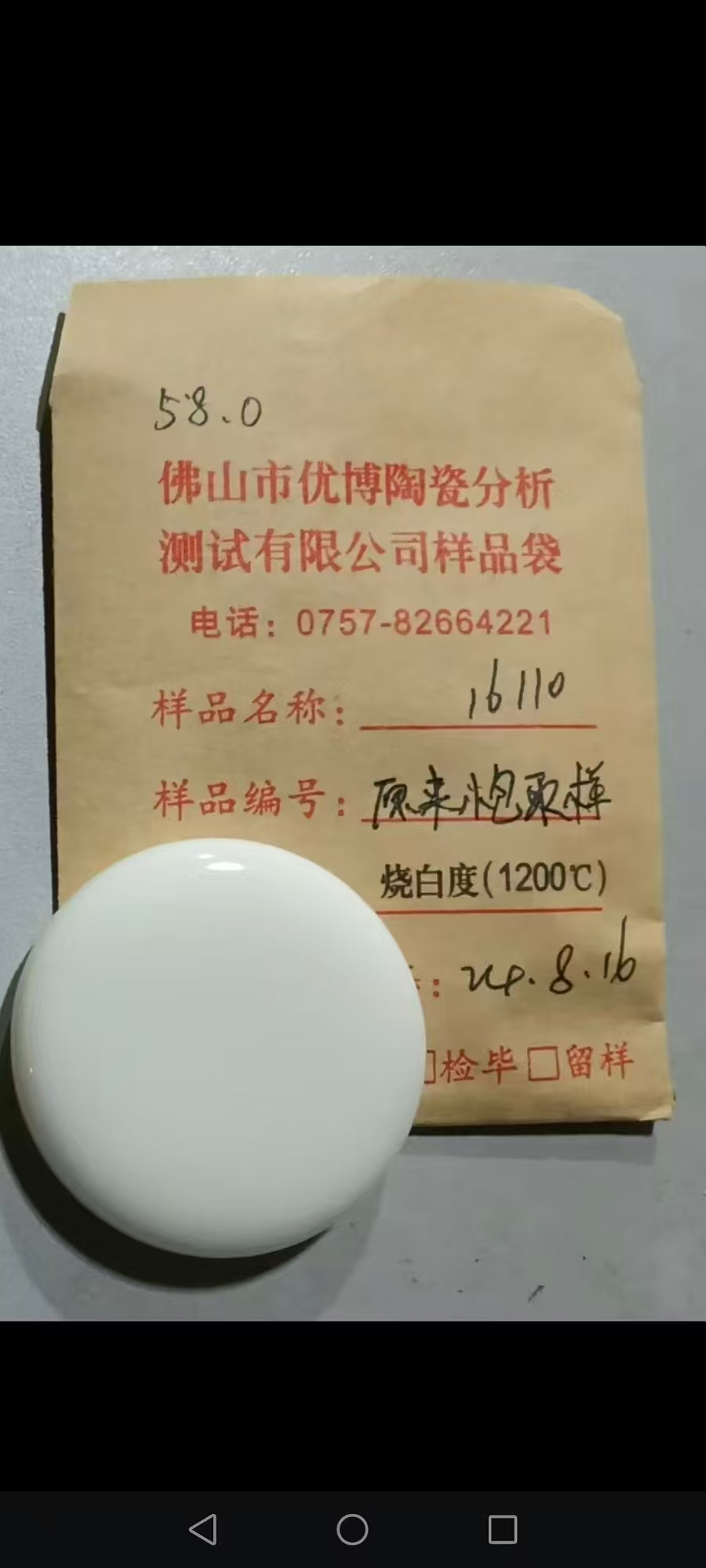
Target firing: 1180-1210 degrees C in a fast-firing roller kiln (40-60 minute cycle). Water absorption target: below 0.1% for premium polished porcelain. The high nepheline content (25-30%) ensures complete vitrification within the fast-firing window, while the K200 grade (Fe2O3 0.08%) delivers the brilliant whiteness that polished surfaces demand.
K200 vs K100: Which Grade for Polished Porcelain?
For polished porcelain tiles, we strongly recommend K200 (Ultra White). The finer 200-mesh particle size provides faster reactivity for complete vitrification in fast-firing cycles, and the ultra-low Fe2O3 (0.08%) ensures the whitest possible body. The price premium of K200 over K100 is modest compared to the value it adds to your finished product — white-body polished porcelain commands significantly higher selling prices than cream-body tiles.
K100 (0.12% Fe2O3, 100 mesh) can be used for polished porcelain where the body is fully covered by an opaque digital print layer, since the body color is less visible. However, for any exposed-body or translucent-glaze polished product, K200 is the clear choice.
Process Optimization Tips
Ball milling: Target residue of 1.5-2.5% on 63-micron sieve for the body slip. Finer grinding improves vitrification but increases shrinkage — find the balance for your specific kiln. Pressing: Compact at 350-400 kg/cm2 for optimal green density. Higher pressing pressure with nepheline-containing bodies improves fired density. Firing: Nepheline starts fluxing at approximately 1050 degrees C, with primary vitrification occurring between 1100-1180 degrees C. Ensure adequate time above 1100 degrees C for full glass phase development. Polishing: Higher nepheline content produces a harder glass phase that polishes to higher gloss — a direct quality advantage over feldspar-dominant bodies.
Need formulation support?
Our technical team helps you optimize your formulation. Samples for lab testing.