Crystalline glazes — featuring large visible crystals (1-50mm diameter) that form during controlled cooling — are among the most spectacular decorative effects in ceramics.
Application Overview
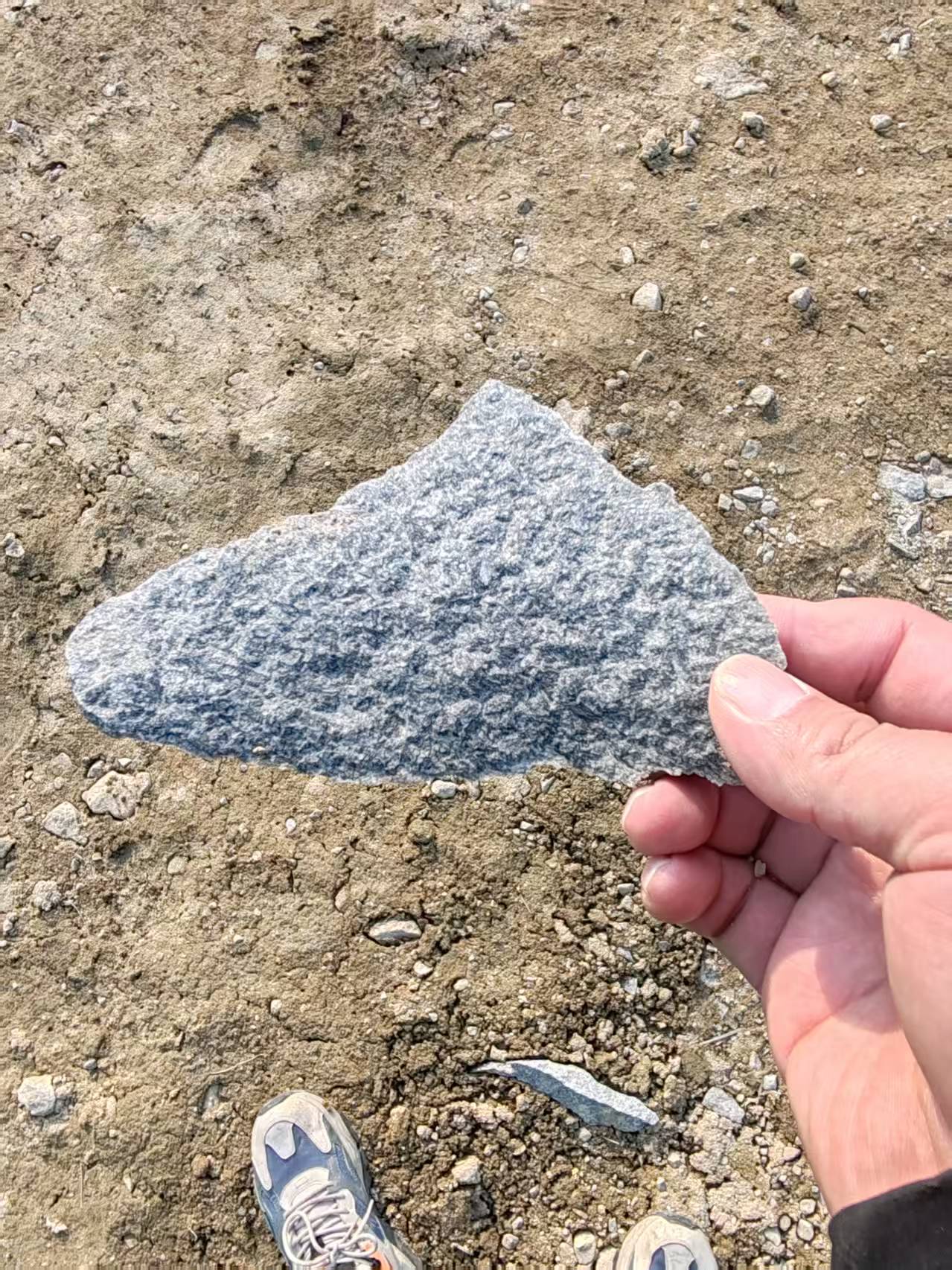
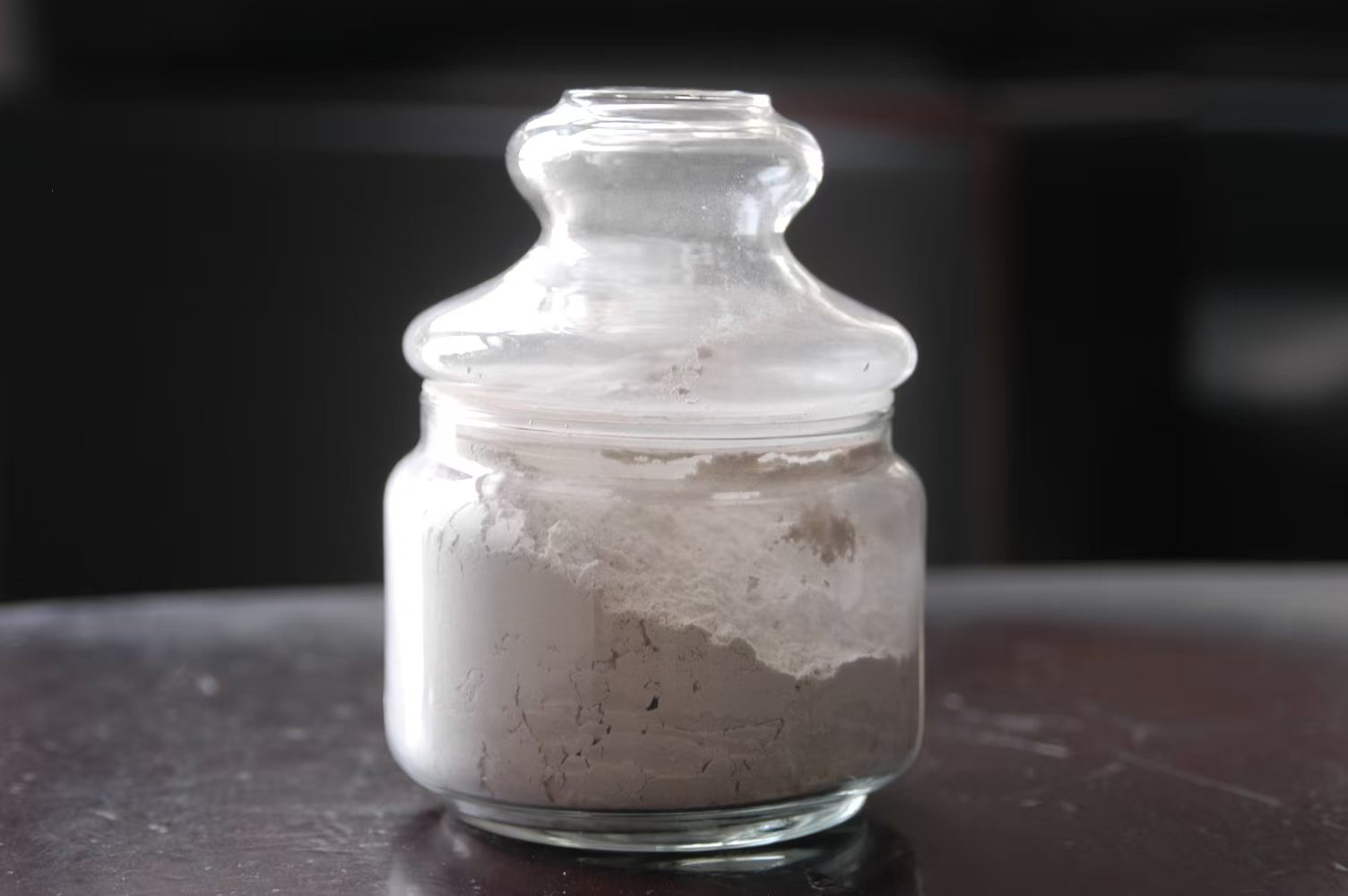
These glazes are prized in art pottery, architectural ceramics, and premium decorative tiles. The crystal formation process requires a zinc-rich, alumina-poor glaze that is held at a specific temperature (typically 1050-1100 degrees C) during cooling to allow crystal nucleation and growth. Nepheline syenite plays a specific role in crystalline glaze formulations: it provides flux (Na2O, K2O) to control the melting temperature and glass viscosity, while its alumina content must be carefully managed — too much alumina suppresses crystal growth by increasing glass viscosity. GP20 is particularly useful in crystalline glazes because its high CaO (5.34%) acts as a secondary flux that reduces viscosity at the crystal growth temperature without adding alumina.
Technical Details & Formulation
Typical crystalline glaze: 25-30% zinc oxide, 20-25% silica, 15-20% frit, 8-12% nepheline GP20, 5-8% titanium dioxide (as crystal nucleation agent), plus colorants..

Product Recommendation
.
Need formulation support?
Our technical team helps you optimize your formulation. Samples for lab testing.