Testing methodology for K-feldspar (SY101, TX101) and Na-feldspar samples follows the same general protocol as nepheline testing, with a few additional considerations.
Technical Details
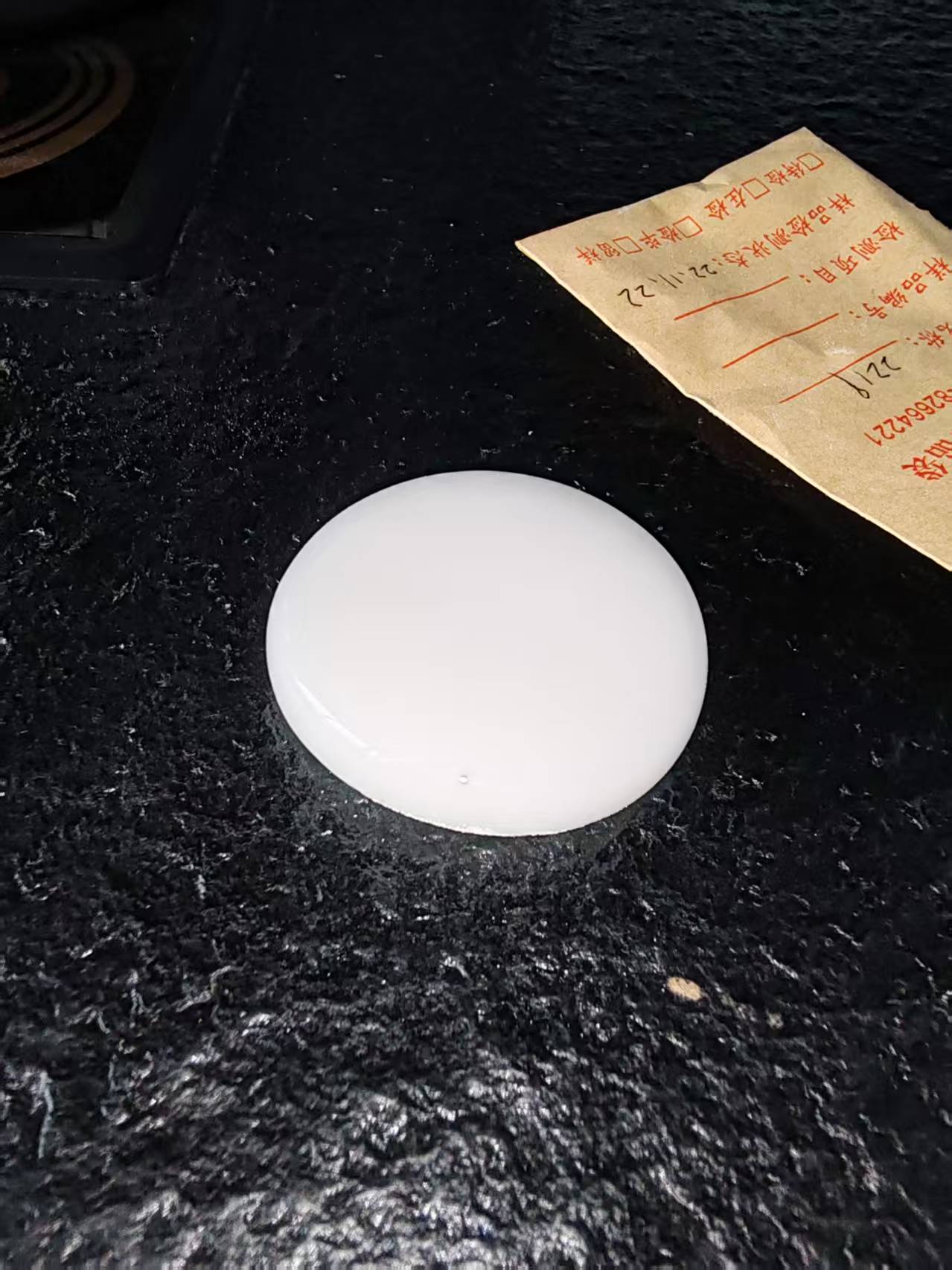
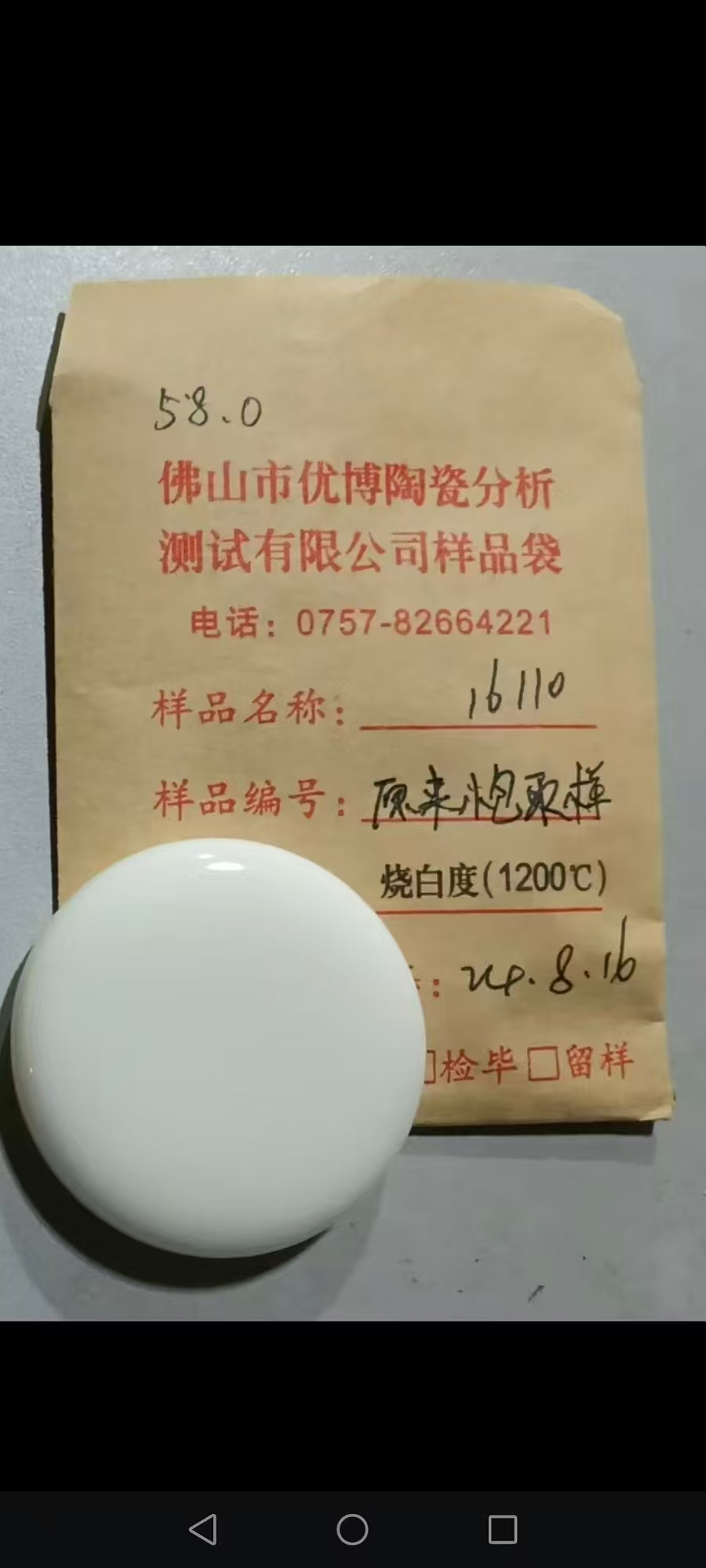
Chemical analysis: request XRF analysis of the sample focusing on K2O (should be high for K-feldspar), Na2O, total alkali, Fe2O3 (lower is better for whiteness), and free quartz content (nepheline has none; feldspar contains some). Firing test: press discs at 1200 degrees C and 1250 degrees C — feldspar matures at higher temperature than nepheline, so testing at two temperatures reveals the firing range. Compare whiteness, densification, and any deformation between temperatures. Viscosity indication: for sanitaryware applications, press a small bar of pure feldspar and fire vertically — observe the degree of bending. K-feldspar (SY101) should show minimal bending (high viscosity melt), while Na-feldspar should show more flow. This simple test confirms the K2O/Na2O ratio is appropriate for your shape-critical applications.
Practical Application
Formulation trial: replace your current feldspar with the sample grade at the same weight percentage (1:1 for feldspar-to-feldspar substitution). Fire and measure water absorption, shrinkage, MOR, and whiteness. If comparing feldspar with nepheline, use 82-85% weight ratio as described in our conversion guide..
Our Products & Recommendation
.
Questions about raw material science?
Our technical team provides formulation support and samples for testing.