A Certificate of Analysis (COA) is the quality passport for every mineral raw material shipment.
Technical Details
It documents the chemical composition, physical properties, and test results that verify the product meets your specifications. Understanding how to read and evaluate a COA is an essential procurement skill. Key sections on a nepheline/feldspar COA: Chemical composition by XRF — the oxide analysis showing SiO2, Al2O3, Fe2O3, K2O, Na2O, CaO, MgO, TiO2, LOI, and sometimes MnO, P2O5. Check Fe2O3 first (most critical for whiteness), then total alkali (Na2O+K2O — determines flux power), then TiO2 (iron color amplifier). Particle size analysis — typically reported as percentage passing a specific mesh size (e.g., 97% below 74 microns for 200 mesh) or as a laser diffraction D50 and D90 value. Moisture content — should be below 1% for standard powder grades.
Practical Application
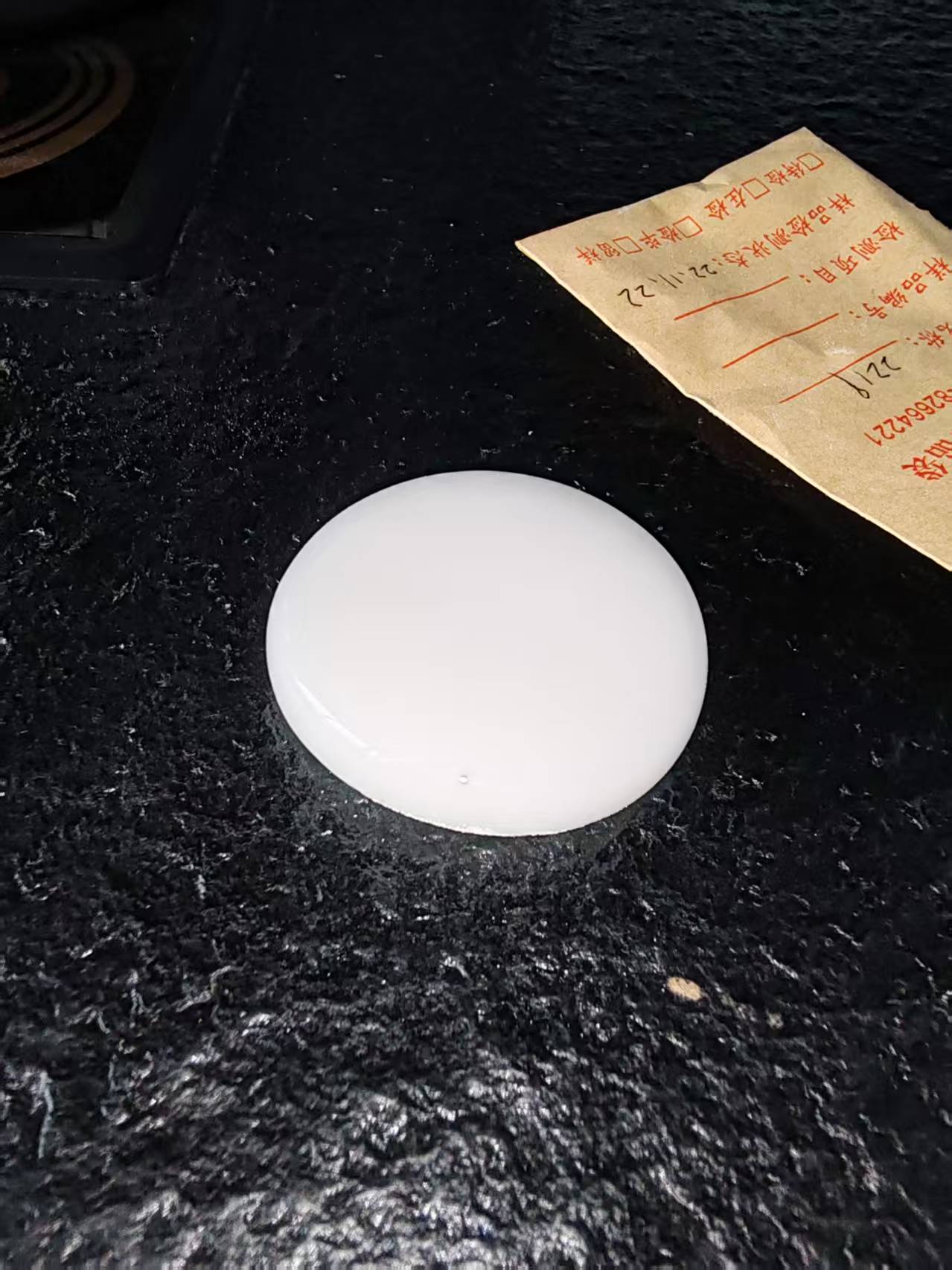
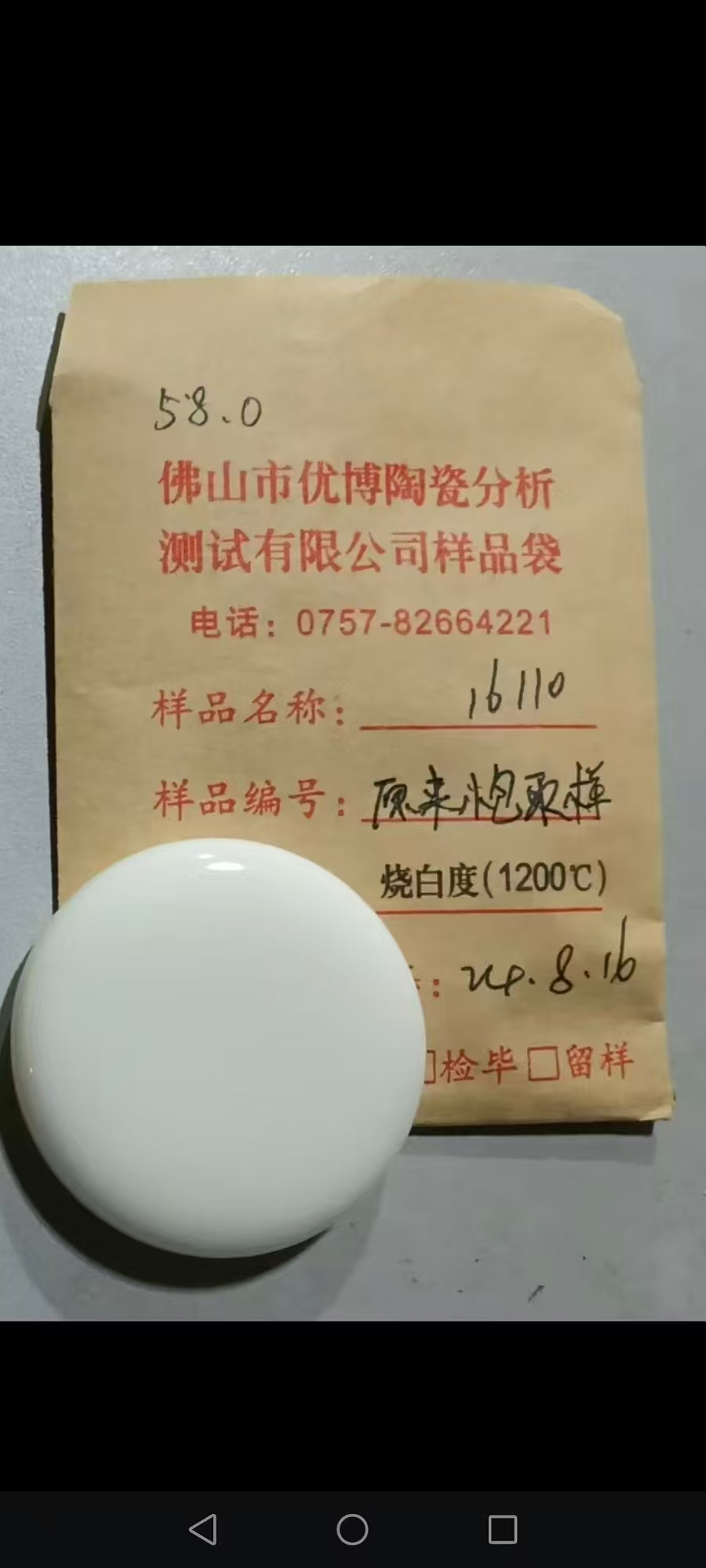
Firing whiteness — if reported, given as L*a*b* values or a whiteness index after firing at 1200 degrees C. Red flags to watch: COA with no independent lab name (self-tested only); single-batch data presented as typical (ask for consecutive batch data); Fe2O3 rounded to one decimal (0.1% could mean 0.05-0.14% — request two-decimal precision); no TiO2 reported (may indicate high titanium being hidden); LOI above 2% (may indicate weathered or contaminated material). Our COA includes independent verification from Foshan Youbo Lab, two-decimal precision on all oxides, and batch-specific data..
Our Products & Recommendation
.
Questions about raw material science?
Our technical team provides formulation support and samples for testing.