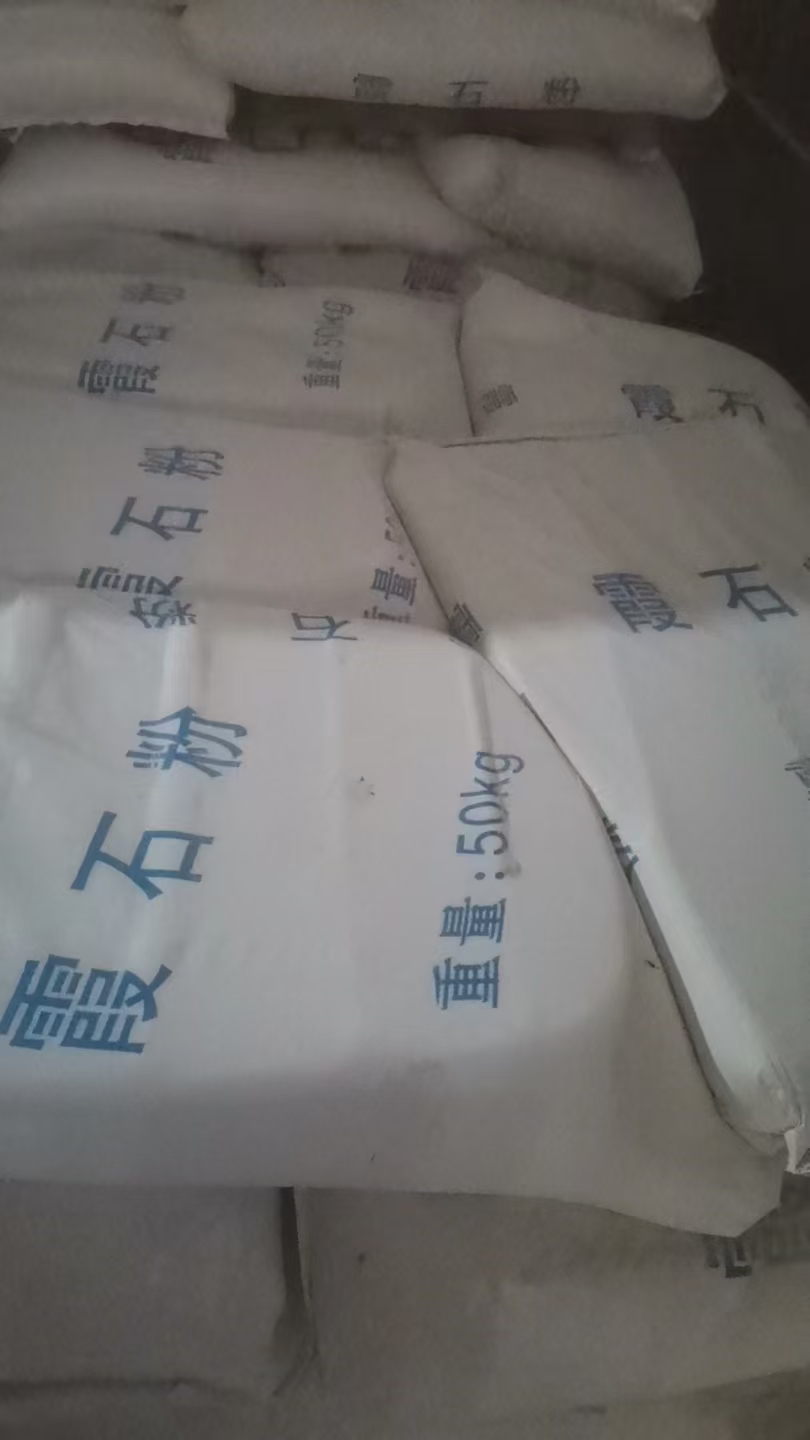
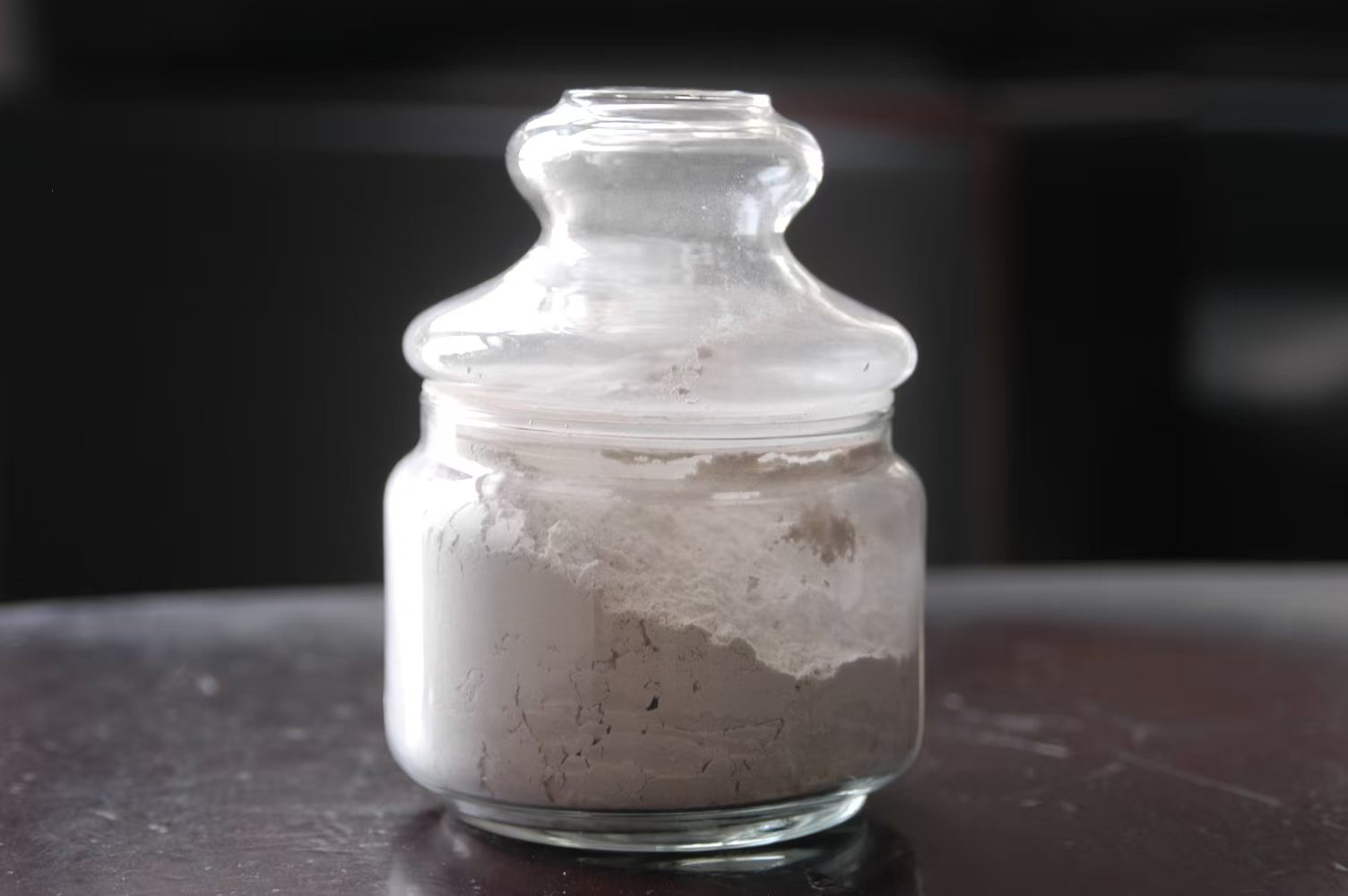
Iron oxide (Fe2O3) is the single most impactful impurity in ceramic raw materials. It determines whether your fired products are brilliant white, acceptable cream, or unacceptable yellow-brown. For procurement professionals sourcing nepheline, feldspar, and other flux materials, understanding exactly how Fe2O3 creates color — and at what concentration thresholds — is essential for specifying the right raw material quality for your production.
The Physics of Iron Coloring
In the oxidizing atmosphere of most commercial kilns, iron exists as Fe2O3 (ferric oxide), which selectively absorbs blue and violet wavelengths (400-490 nm) while transmitting yellow, orange, and red wavelengths (550-700 nm). This selective absorption is what produces the characteristic warm coloring. The absorption is not binary — it increases progressively with Fe2O3 concentration, following a roughly logarithmic relationship. This means the first 0.05% of iron causes a proportionally larger color shift than the next 0.05%.
In reduction firing (less common in modern production), Fe2O3 converts to FeO (ferrous oxide) which absorbs red wavelengths instead, producing grey-blue-green tints. Some specialty ceramics deliberately exploit this: celadon glazes derive their characteristic blue-green color from FeO in a reduction-fired feldspathic glaze. But for standard oxidation-fired production, iron always means yellow-brown.
Fe2O3 Concentration Thresholds
| Fe2O3 Range | Visual Result | Suitable Products | Our Grade |
|---|---|---|---|
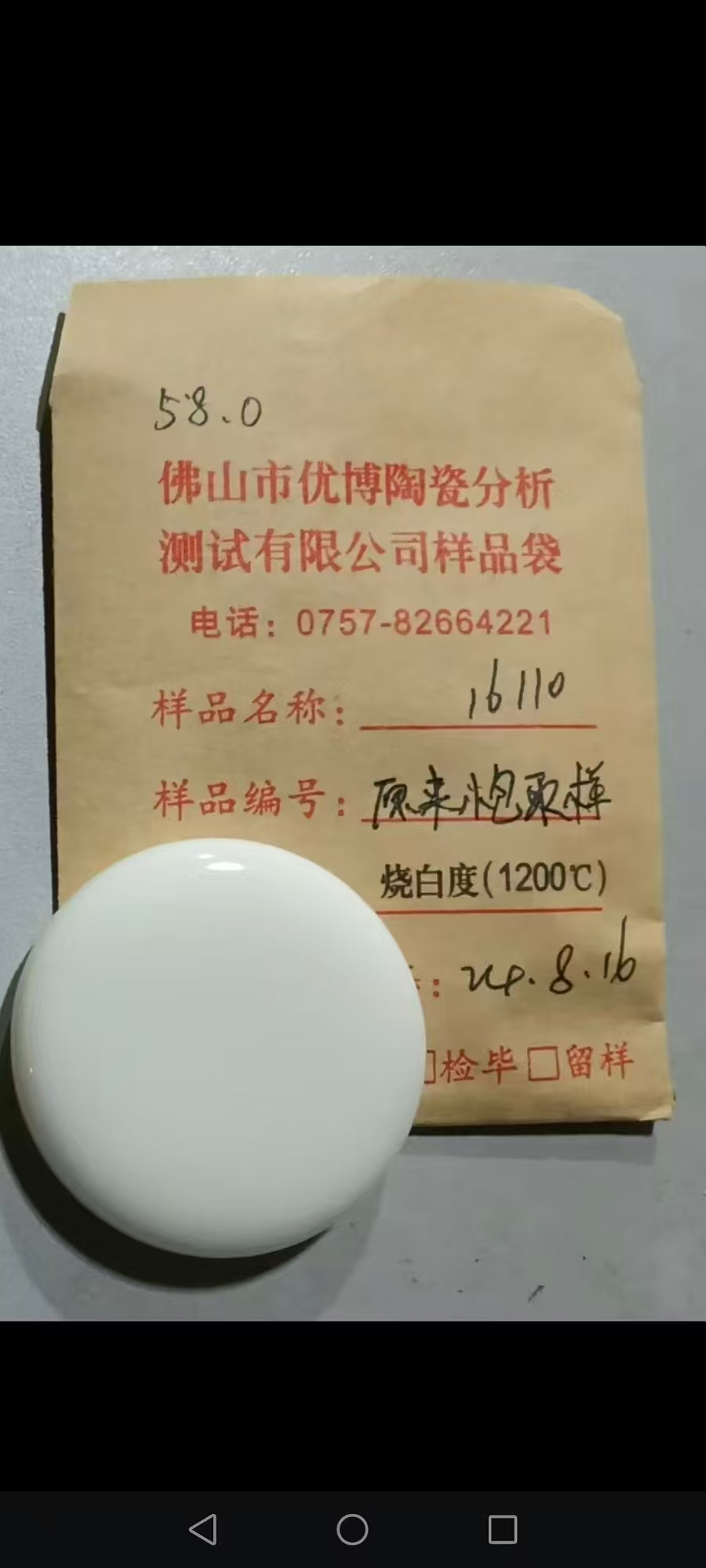
| <0.08% | Brilliant white | Premium porcelain, fine tableware, dental | K200 |
| 0.08-0.12% | White (slight warm) | White tiles, sanitaryware, standard porcelain | K100 |
| 0.12-0.20% | Off-white / cream | Standard tiles with opaque glaze | — |
| 0.20-0.50% | Noticeable cream/yellow | Colored tiles, rustic products only | — |
| >0.50% | Yellow to brown | Only acceptable for dark/colored products | — |
The TiO2 Amplification Effect
Titanium dioxide (TiO2) is the second most important coloring impurity. In pure form, TiO2 is actually white — it is the primary pigment in white paint. But in ceramic matrices containing iron, TiO2 acts as a powerful color intensifier. The iron-titanium interaction produces a stronger yellow-brown color than either oxide alone. This synergistic effect means that specifying Fe2O3 alone is insufficient — you must also control TiO2. All our nepheline grades maintain TiO2 below 0.05%, ensuring the titanium amplification effect is minimized. When evaluating alternative suppliers, always request both Fe2O3 AND TiO2 on the Certificate of Analysis. A low Fe2O3 number with high TiO2 will still produce disappointing whiteness.
How We Achieve Ultra-Low Iron
Our wet-process production line is specifically engineered for iron removal through multi-stage high-intensity magnetic separation. The process includes primary separation at medium field strength (capturing magnetite and other strongly magnetic minerals), secondary separation at higher intensity (moderately magnetic biotite and hornblende), and tertiary separation at maximum intensity (weakly magnetic iron-bearing particles that escape the first two stages). This progressive approach, combined with the complete particle liberation that wet grinding provides, achieves Fe2O3 levels 2-5 times lower than dry processing from the same ore. The result: K200 at 0.08% Fe2O3 — industry-leading whiteness from a Chinese producer.
Practical Procurement Guide
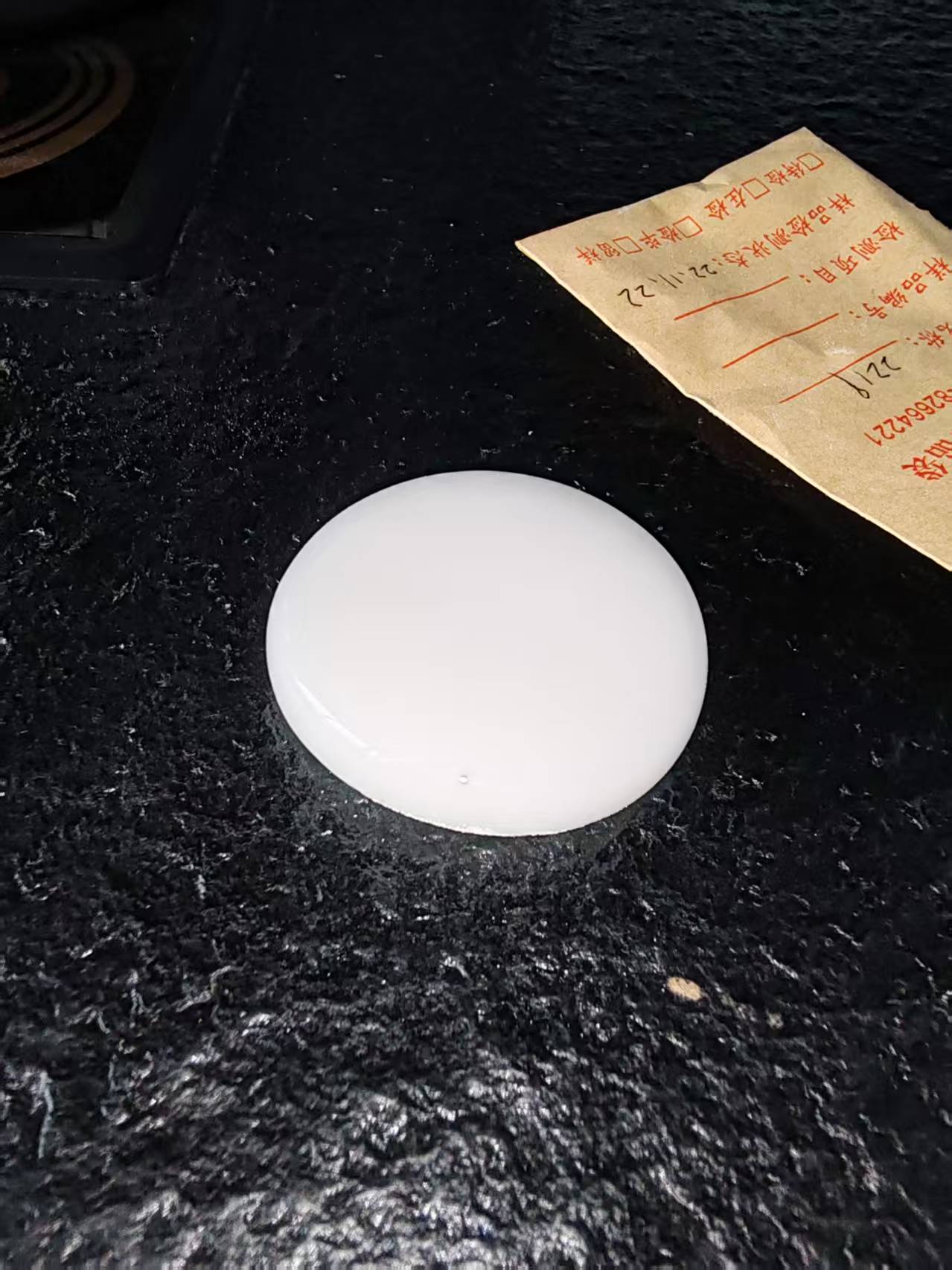
When specifying Fe2O3 limits in your purchase contracts: always specify maximum Fe2O3 AND maximum TiO2; request COA data from 5-10 consecutive batches to verify consistency (not just one best result); compare both mean and standard deviation; insist on independent third-party lab verification for critical shipments; and test incoming material by firing test discs at your standard temperature for incoming quality control. Our K200 (Fe2O3 0.08%) serves premium white applications. K100 (Fe2O3 0.12%) serves standard white production. GP20 (Fe2O3 0.14%) serves applications where CaO matters more than ultra-whiteness. Request samples for your own comparison testing.
Questions about raw material science?
Our technical team provides formulation support and samples for testing.