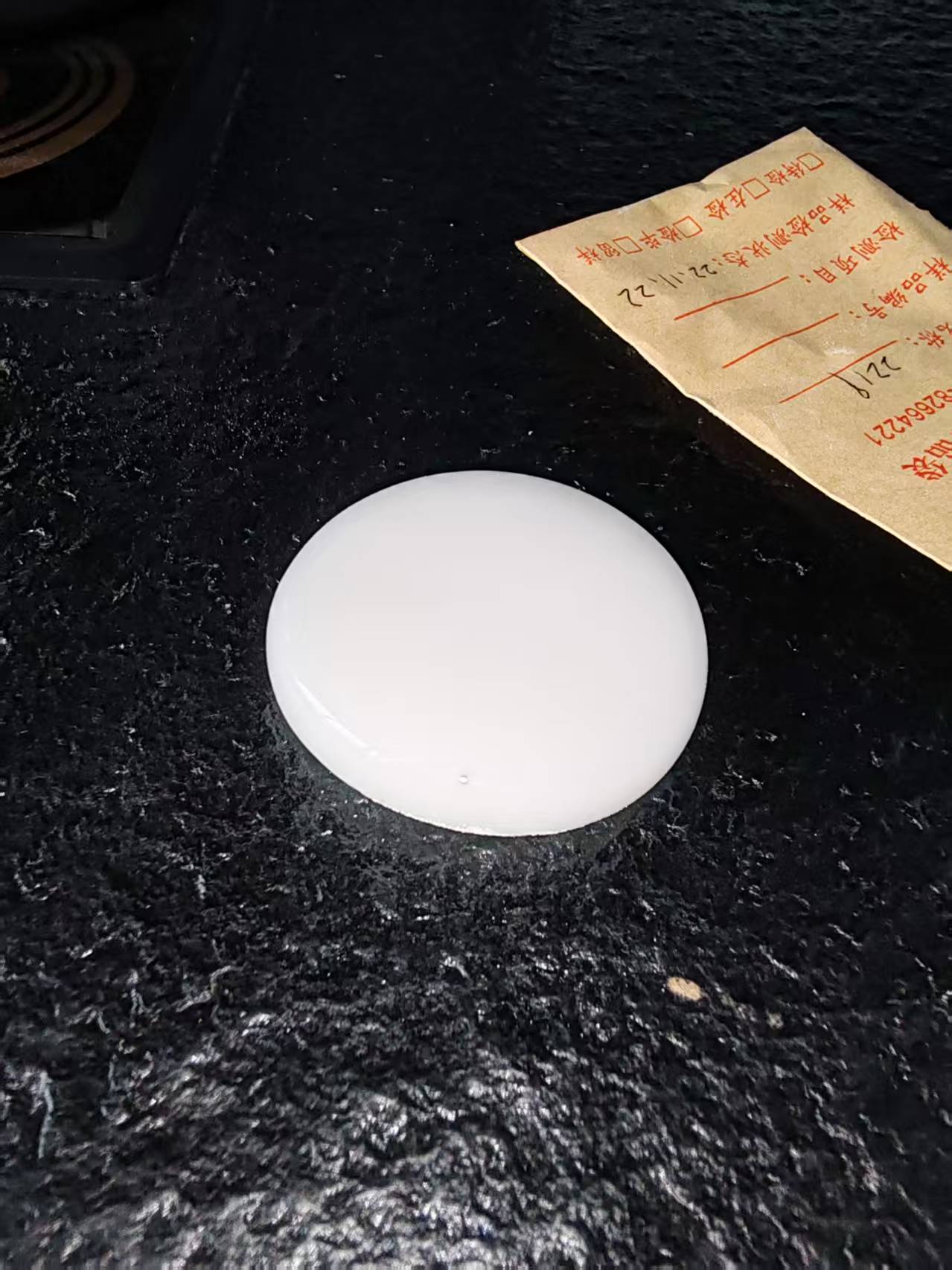
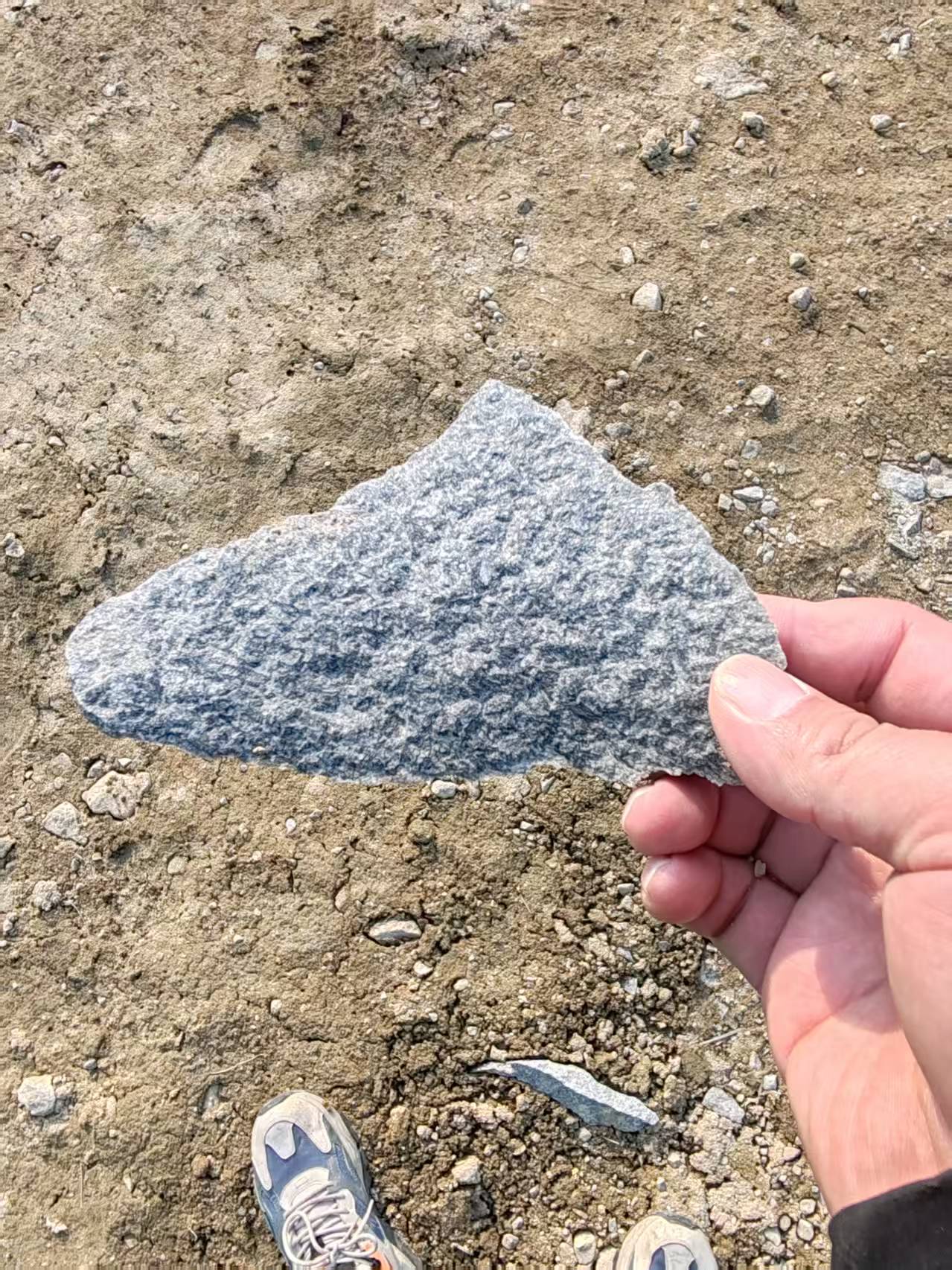
We offer three nepheline powder grades, but the most common selection question is: should I use GP20 or K200? These two grades have significantly different chemical compositions and serve different applications. Choosing the wrong one wastes money (overpaying for properties you do not need) or sacrifices performance (using a grade that does not match your technical requirements). This guide provides a clear decision framework.
Chemical Comparison
| Property | GP20 | K200 | K100 |
|---|---|---|---|
| Fe2O3 | 0.14% | 0.08% | 0.12% |
| K2O | 9.24% | 5.63% | 5.63% |
| Na2O | 6.39% | 8.74% | 8.55% |
| CaO | 5.34% | 0.16% | 0.31% |
| Total Alkali | 15.63% | 14.37% | 14.18% |
| Mesh | — | 200 | 100 |
Choose GP20 When...
Matte glaze formulation: GP20 is the clear winner. The high CaO (5.34%) promotes the calcium-alumina-silicate crystallization that creates smooth matte surfaces. K200 has almost no CaO (0.16%) and cannot deliver this effect. Frit production: GP20 provides five useful oxides from one material (SiO2, Al2O3, K2O, Na2O, CaO), simplifying batch calculations. Maximum flux power: GP20 has the highest total alkali (15.63%), providing the most aggressive fluxing per ton. Thermal expansion matching: When you need higher expansion in the body to match a specific glaze, GP20 provides it through its high K2O and CaO content. Budget priority: GP20 is typically priced between K100 and K200, making it cost-effective for applications where ultra-whiteness is not required.
Choose K200 When...
Maximum whiteness is required: K200 wins decisively with Fe2O3 at 0.08% — the whitest grade in our range. Essential for premium porcelain, white-body tiles, and fine tableware. Fine particle size needed: K200 at 200 mesh (74 microns) provides faster reactivity and smoother surfaces than GP20. Important for fast-firing kilns and smooth-surface products. Porcelain bodies: The higher Na2O (8.74%) provides excellent fluxing for full vitrification, while the minimal CaO (0.16%) avoids unwanted crystallization that could affect translucency. Large format slabs: Where consistency and whiteness are non-negotiable across the entire slab surface.
And K100? The Value Option
K100 occupies the middle ground — it shares K200 chemistry (similar SiO2, Al2O3, Na2O, low CaO) but at 100 mesh with slightly higher Fe2O3 (0.12%). Choose K100 when your application needs good performance but ultra-whiteness and ultra-fine particle size are not critical requirements. K100 is our highest-volume product and most competitively priced nepheline grade — the go-to choice for standard ceramic tile production worldwide.
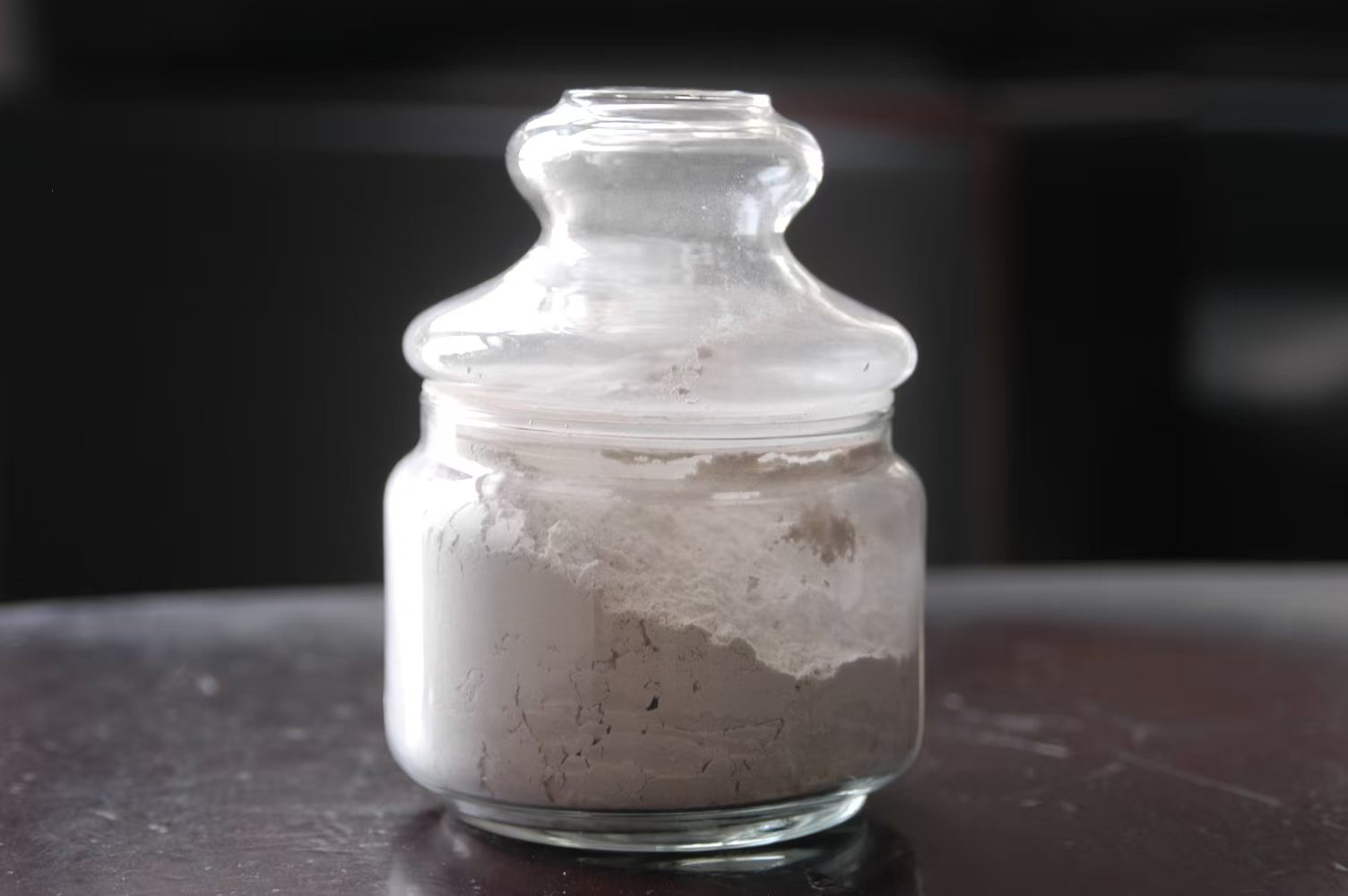
Need formulation support?
Our technical team helps you optimize your formulation. Samples for lab testing.