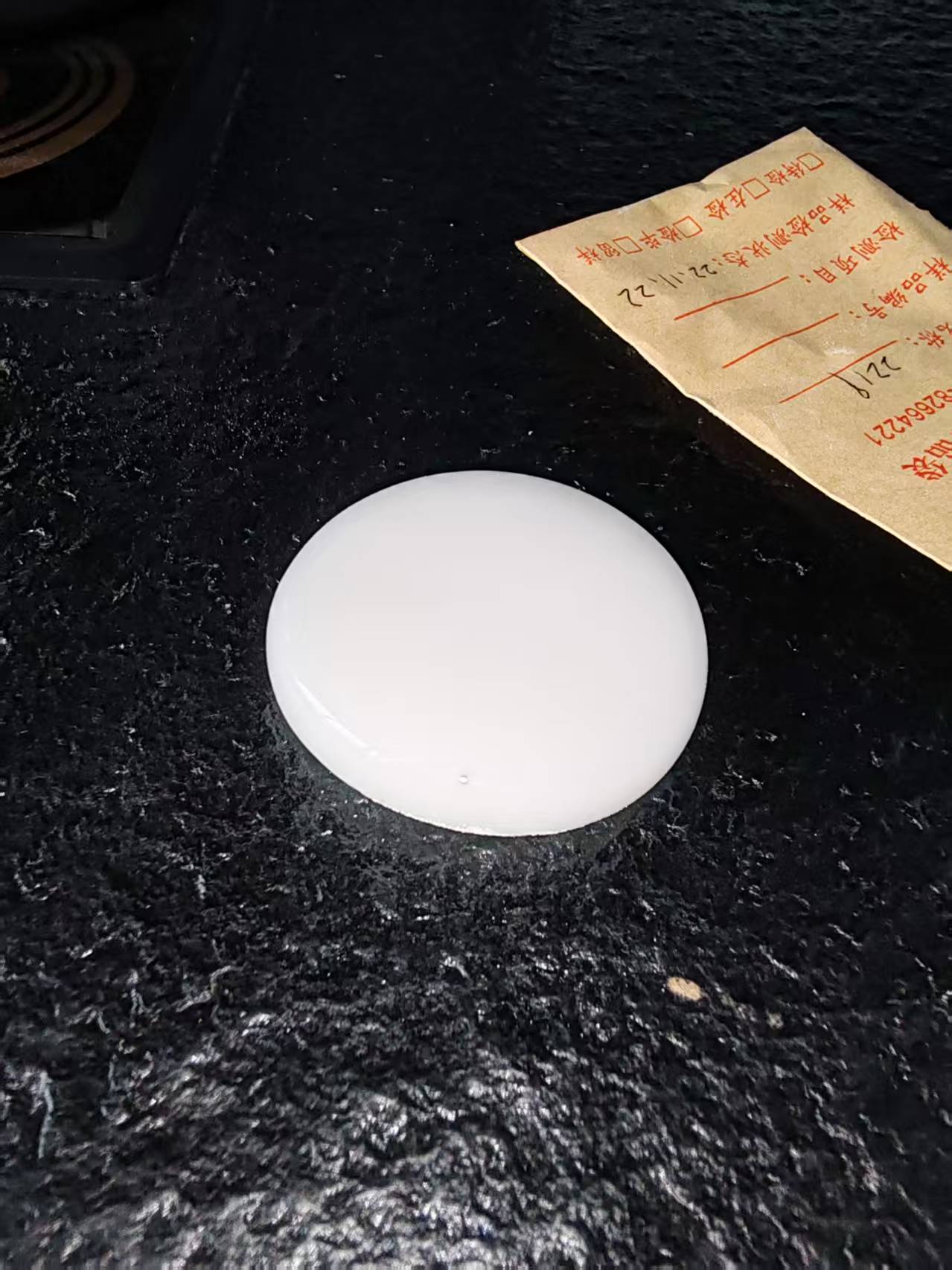
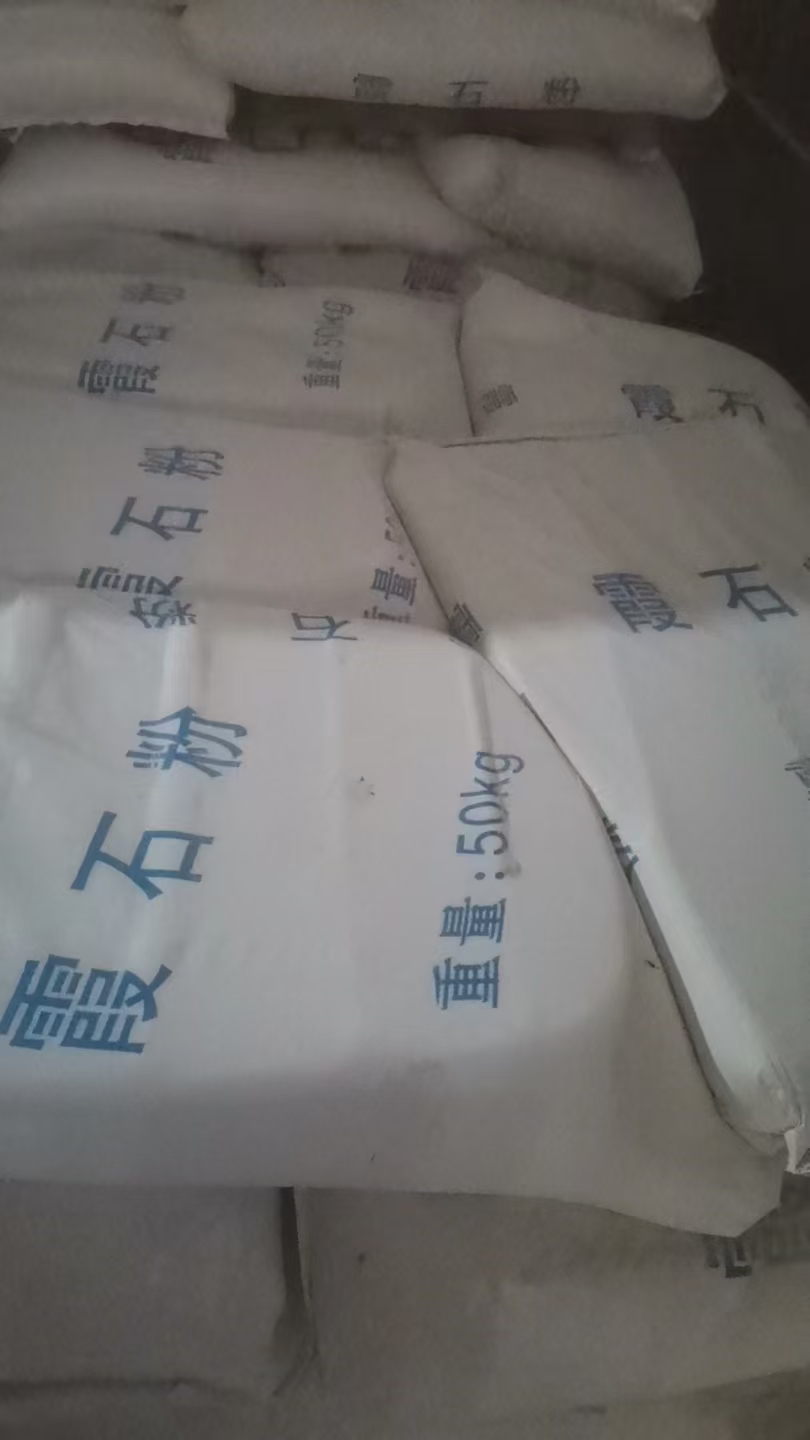
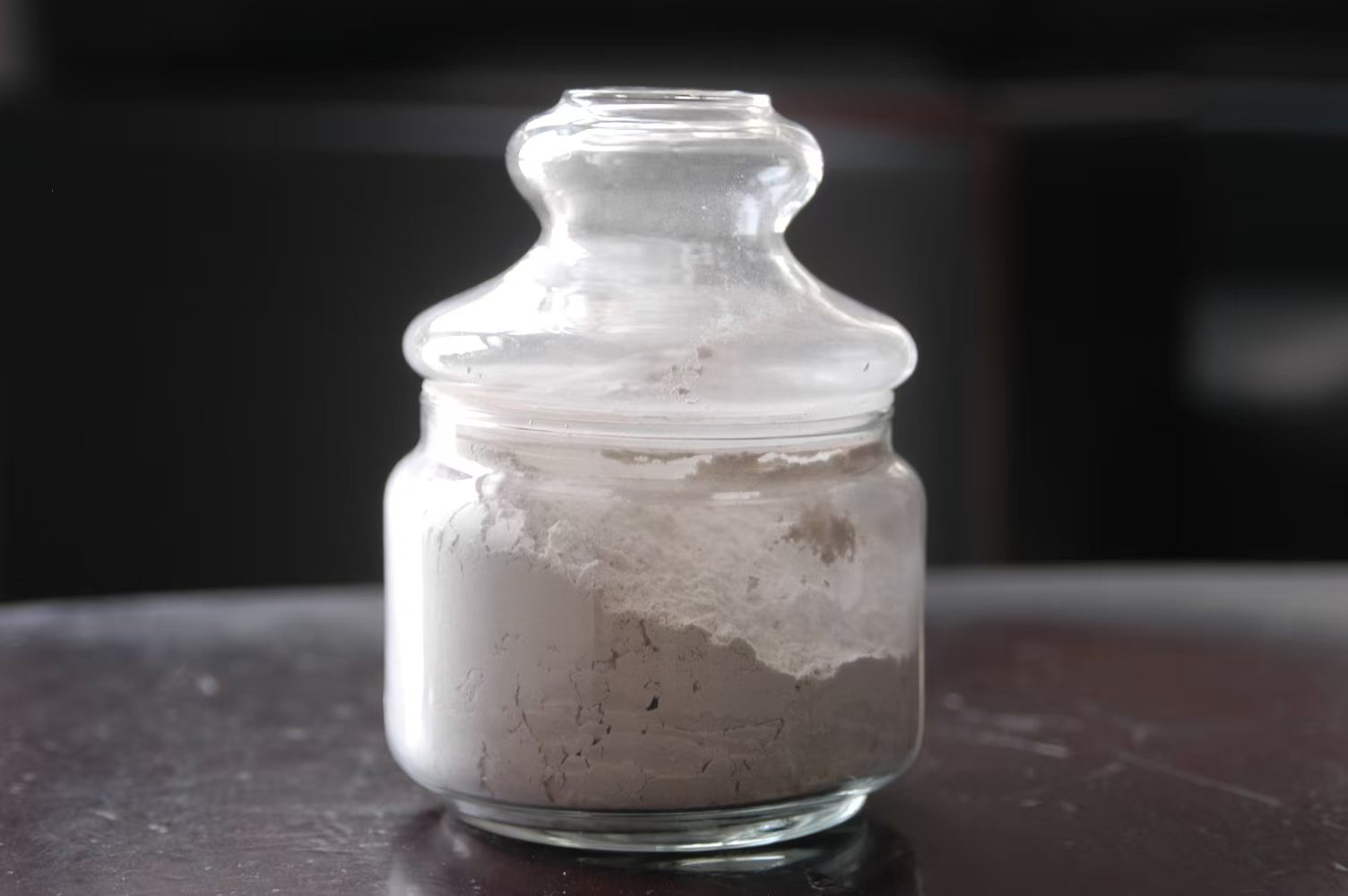
When switching from feldspar to nepheline in your ceramic body, the firing curve (temperature-time profile) should be adjusted to match the different melting behavior of nepheline.
Technical Details
Key differences: nepheline begins reacting approximately 50 degrees C lower than feldspar (around 1050 degrees C vs 1100 degrees C). The vitrification range is wider (typically 80-100 degree C range vs 50-70 degrees C for feldspar). The glass phase forms faster due to higher alkali content. Firing curve adjustments: Peak temperature can typically be reduced by 30-50 degrees C while achieving the same water absorption. This is the primary energy-saving benefit. Heating rate through 1050-1150 degrees C may need slowing slightly if you observe excessive gas evolution (pinholes) — the earlier glass formation can seal the body surface before gas from carbonates has fully escaped.
Practical Application
Soak time at peak temperature can often be shortened by 5-10 minutes due to faster reaction kinetics. Cooling through 573 degrees C (quartz inversion) should remain at your current controlled rate. Our recommendation: on your first production run with nepheline, maintain your current firing curve but reduce peak temperature by 20 degrees C. Fire a test batch and measure water absorption. If absorption is close to your target, fine-tune by adjusting temperature in 5 degrees C increments until you hit the optimal point. Contact our technical team for kiln-specific guidance..
Our Products & Recommendation
.
Questions about raw material science?
Our technical team provides formulation support and samples for testing.