Wall tiles occupy a unique position in ceramic production — they require controlled porosity (typically 6-15% water absorption for ceramic wall tiles), good glaze fit to prevent crazing, adequate mechanical strength for installation, and increasingly, white body color to support the trend toward lighter, brighter bathroom and kitchen designs. Unlike floor tiles that need full vitrification, wall tiles use moderate flux levels to achieve the right balance of porosity and strength.
Wall Tile vs Floor Tile: Different Flux Requirements
The key difference is water absorption target. Floor tiles aim for below 3% (or below 0.5% for porcelain), requiring aggressive fluxing for near-complete vitrification. Wall tiles aim for 6-15% absorption, which means the flux level must be carefully controlled — too much flux and the tile over-densifies, becoming prone to thermal shock cracking during installation with adhesive. Too little flux and the body lacks strength and the glaze-body interface is weak. This Goldilocks requirement makes flux material selection critical for wall tile production.
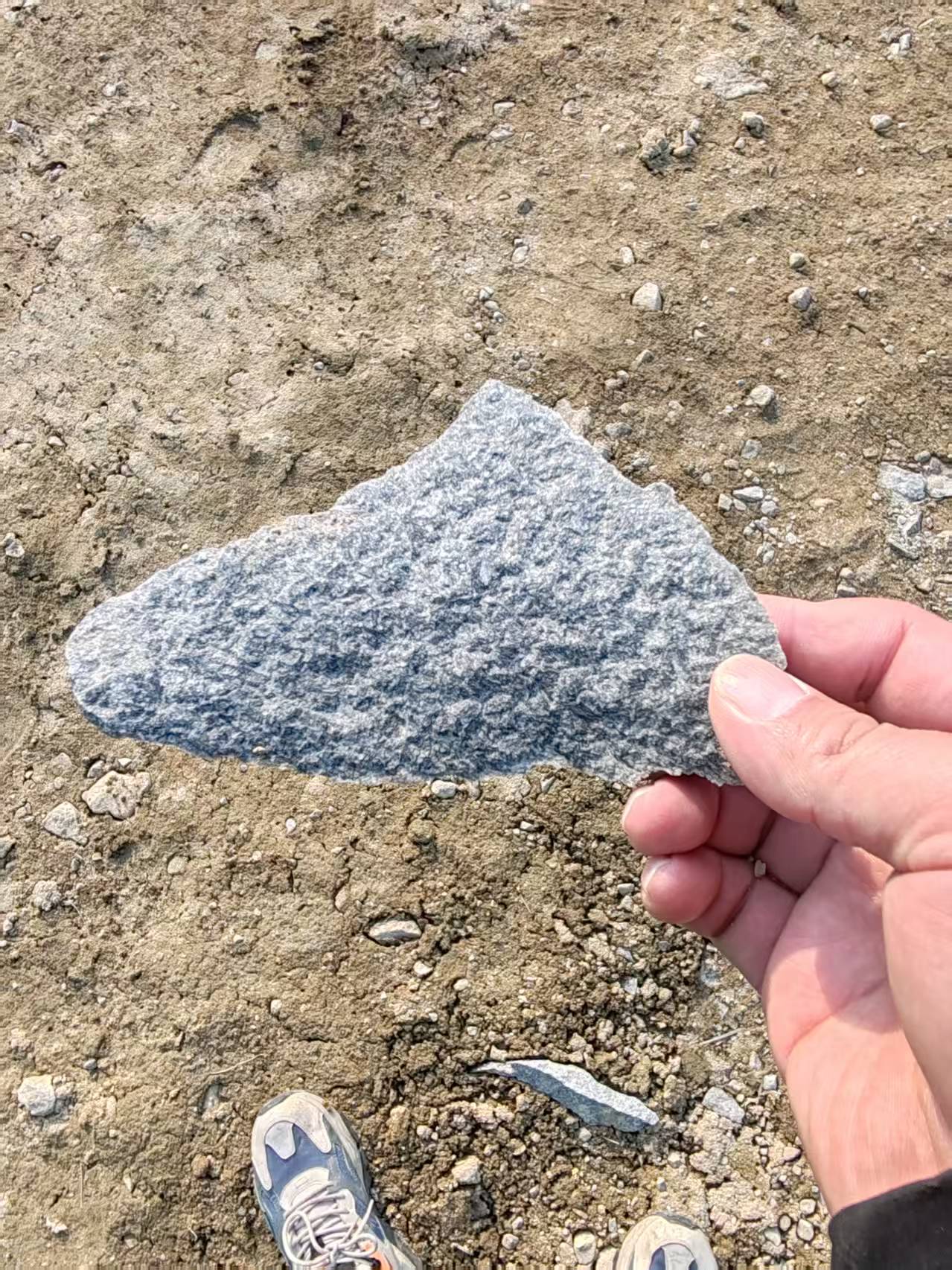
Nepheline syenite is particularly well-suited for wall tiles because of its wide firing range. The temperature window between initial sintering (where strength develops) and over-firing (where excessive densification causes problems) is significantly wider with nepheline than with feldspar. This gives wall tile manufacturers more kiln control flexibility and reduces reject rates from temperature variations.
Wall Tile Body Formulation
| Raw Material | Weight % | Function |
|---|---|---|
| Ball clay / local clay | 40-50% | Plasticity, green strength |
| Nepheline K100 or feldspar | 10-18% | Flux, controlled densification |
| Quartz | 20-25% | Thermal expansion control |
| Calcium carbonate | 5-10% | Open porosity, thermal stability |
| Talc | 2-5% | Fluxing aid, expansion |
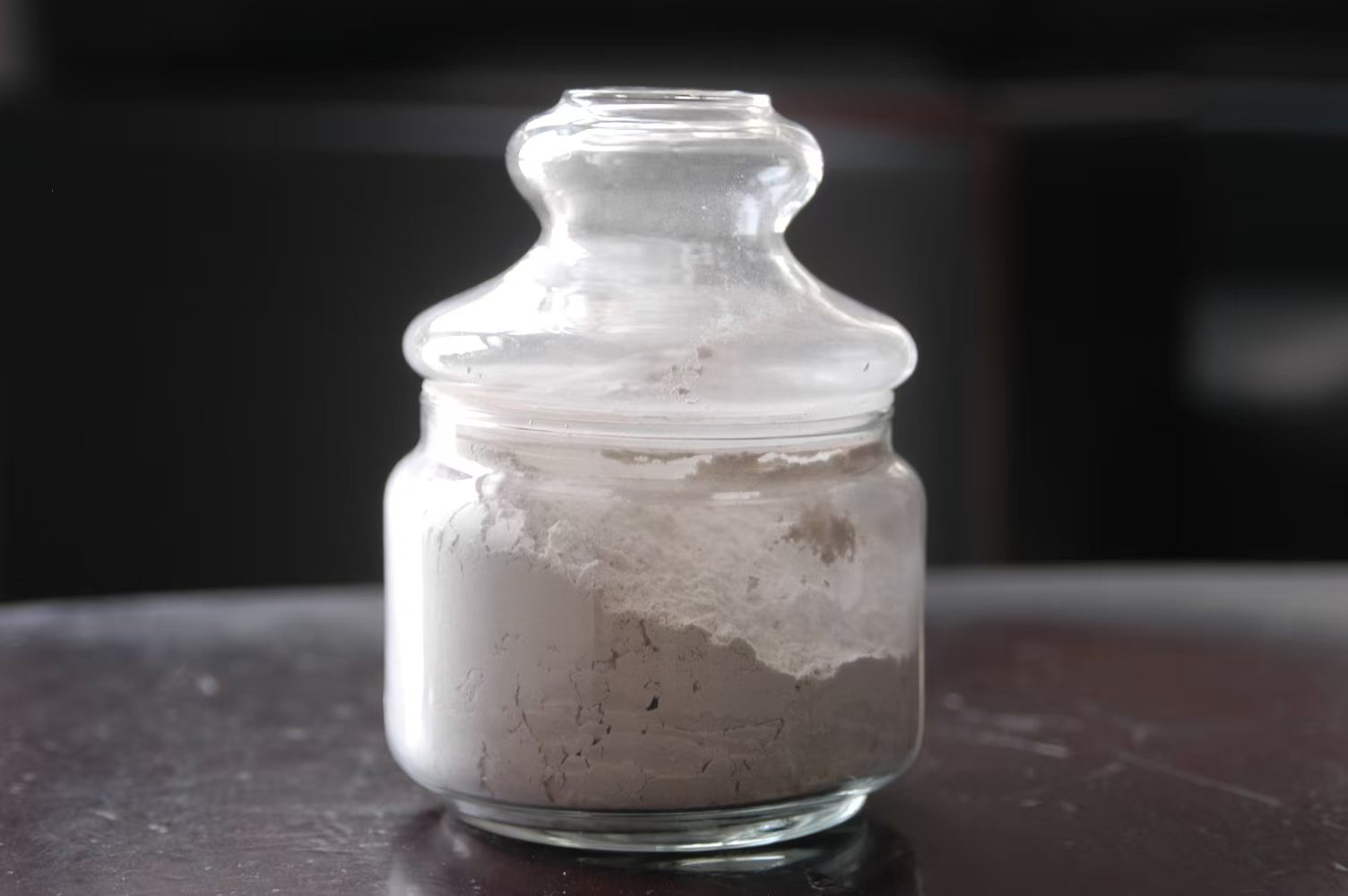
For wall tiles, K100 (Standard grade) offers the best cost-performance ratio. The lower nepheline percentage (10-18% vs 25-30% for porcelain) means the Fe2O3 contribution to body color is less significant, so the price premium of K200 is usually not justified unless producing premium white-body wall tiles for the European or Japanese market.
Wall Tile Glaze: Expansion Matching
Crazing (fine cracks in the glaze surface) is the most common quality defect in wall tiles. It occurs when the glaze thermal expansion exceeds the body thermal expansion — the glaze is under tension and cracks. Nepheline syenite in the glaze increases its expansion (due to high alkali content), which can worsen crazing if not properly balanced. For wall tile glazes, we recommend using SY101 K-feldspar rather than nepheline — K-feldspar produces a lower-expansion melt that is easier to match with standard wall tile bodies. Use nepheline in the body and feldspar in the glaze for optimal results.

Need formulation support?
Our technical team helps you optimize your formulation. Samples for lab testing.