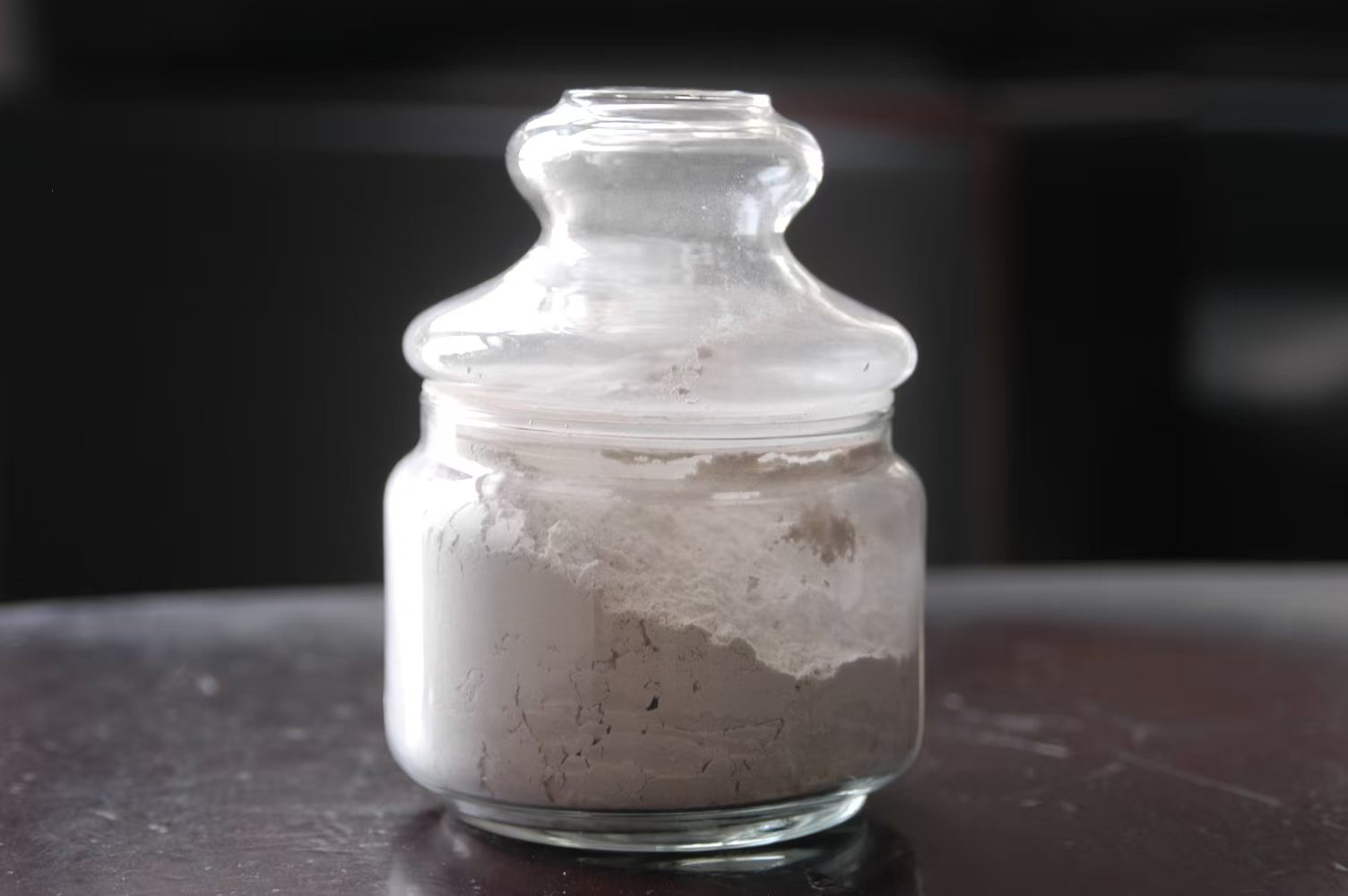
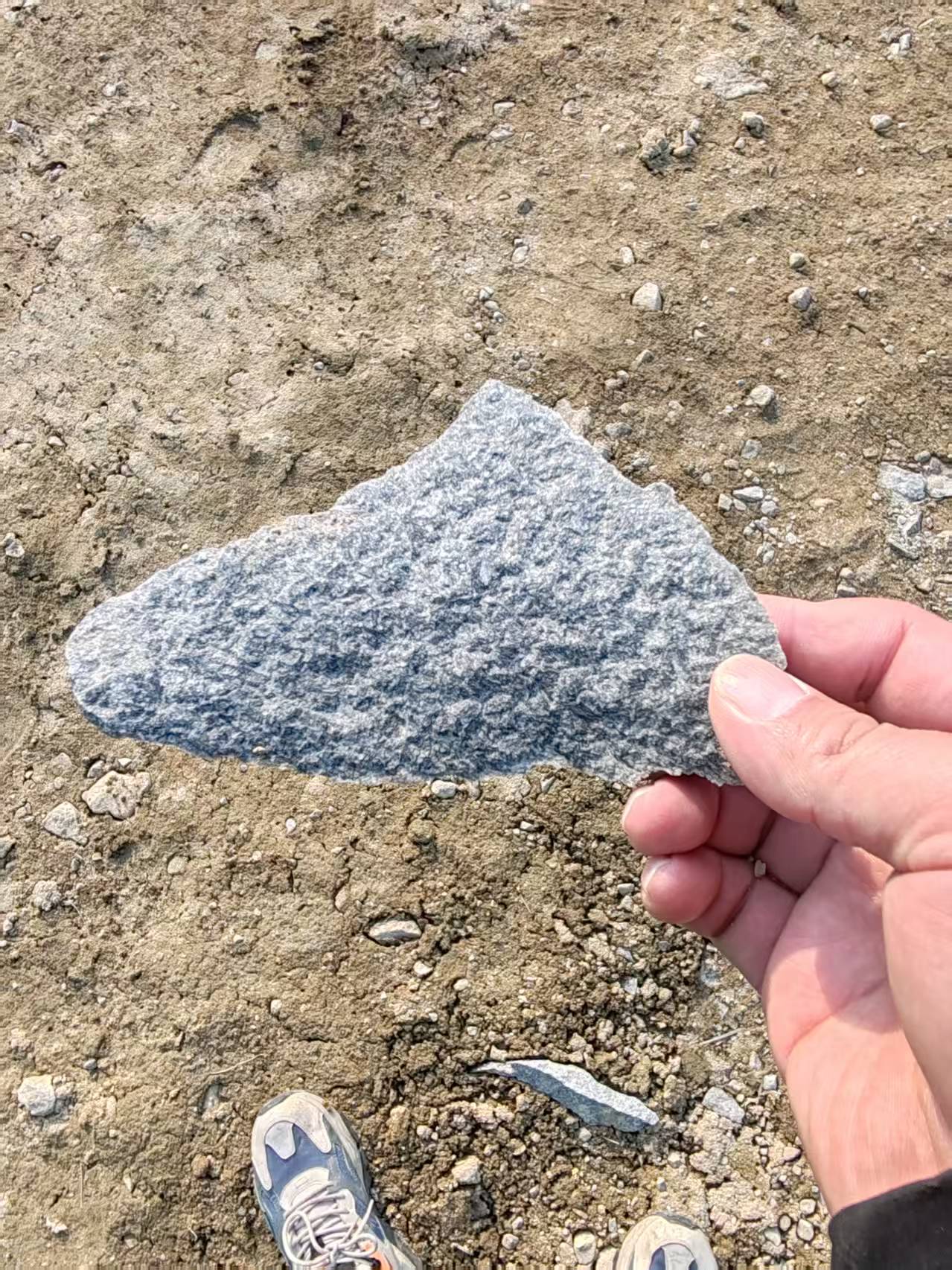
Vitreous china requires water absorption below 0.5% with excellent chip resistance and thermal shock stability for commercial dishwasher use.
Application Overview
The body must be white, strong, and fully vitrified. K-feldspar (SY101) provides the viscous melt needed for shape retention in complex cup and plate geometries, while nepheline syenite (K200) contributes higher alumina for chip resistance and ultra-low iron for whiteness. A typical vitreous china body uses 20-25% nepheline syenite plus 5-10% K-feldspar, with ball clay, kaolin, and quartz making up the balance. The K-feldspar component is critical for shape stability — cups and plates with thin walls and complex profiles require the higher viscosity that K2O provides compared to Na2O-dominant nepheline alone.
Technical Details & Formulation
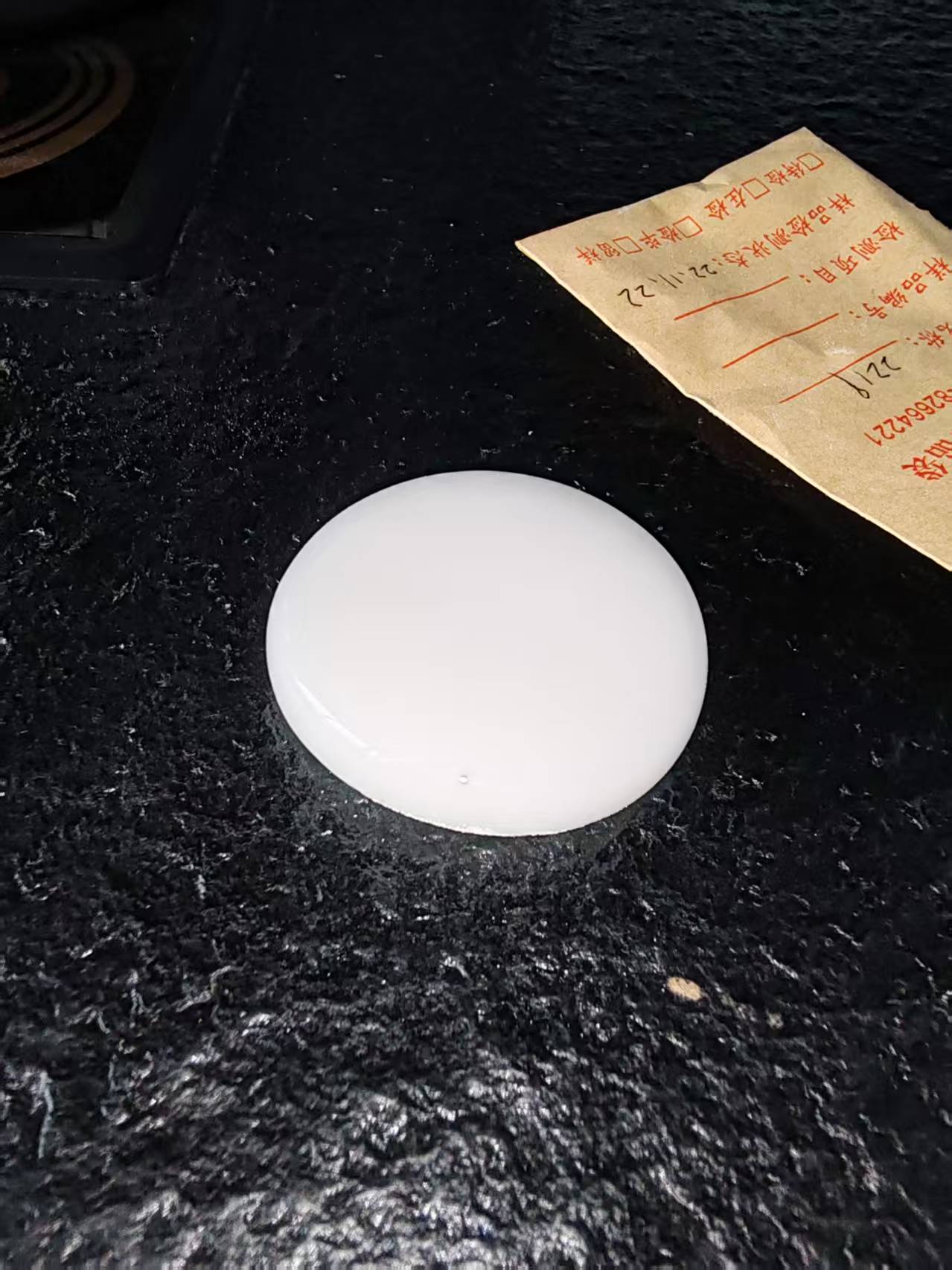
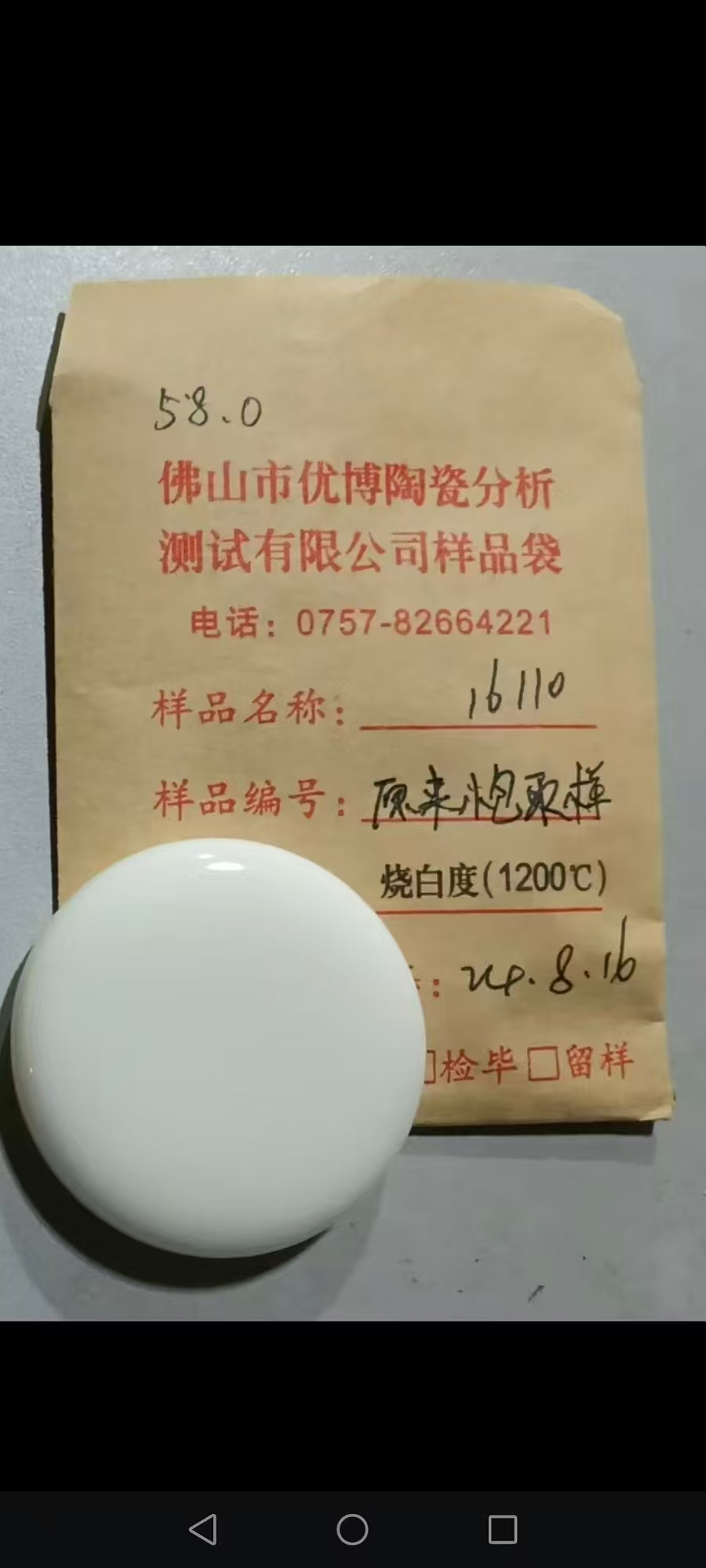
For hotels and restaurants specifying whiteness requirements, our K200 grade (Fe2O3 0.08%) ensures the brilliant white body that premium hotel ware demands. Contact us for vitreous china formulation assistance..
Product Recommendation
.
Need formulation support?
Our technical team helps you optimize your formulation. Samples for lab testing.