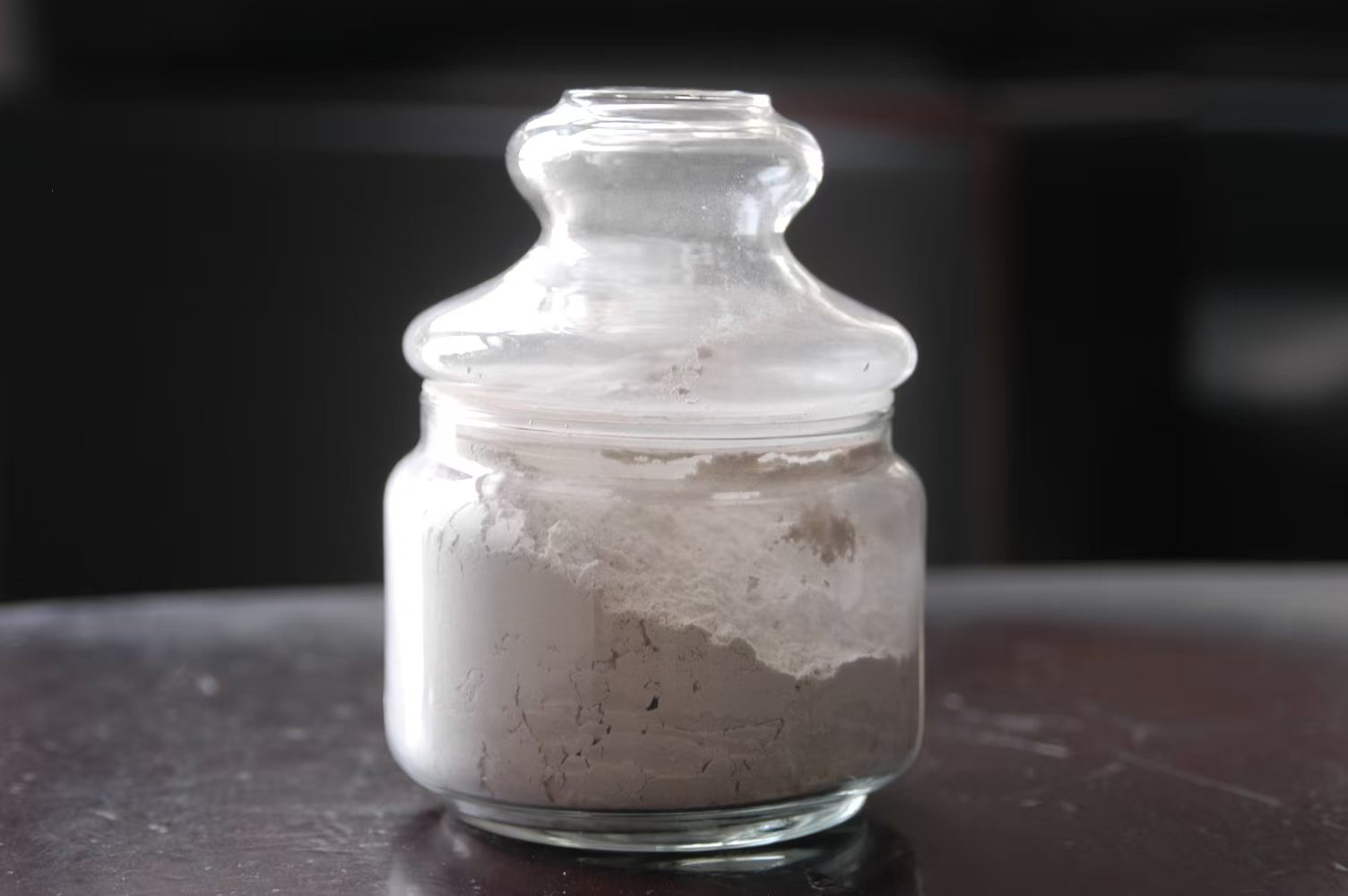
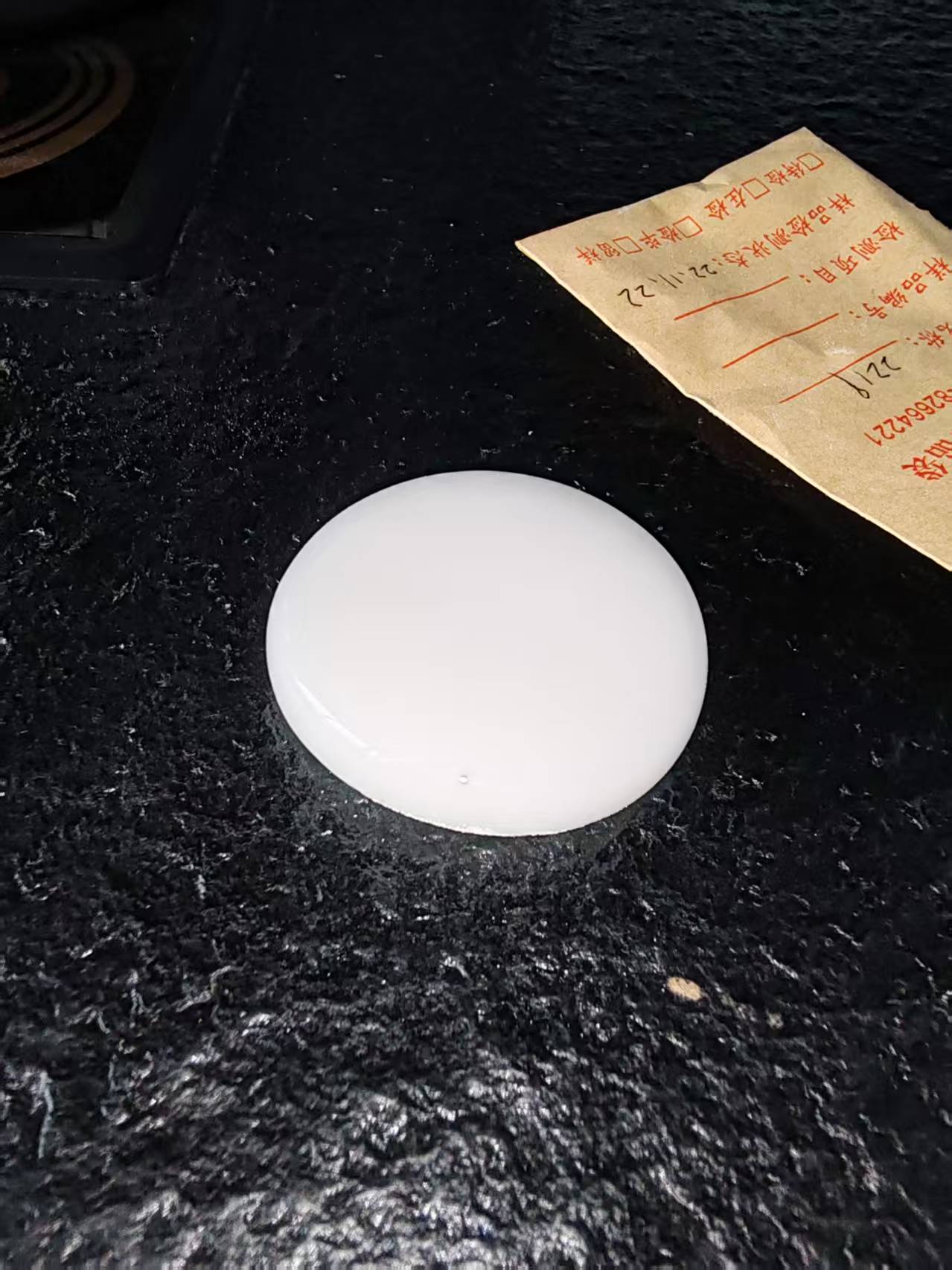
Opaque white glazes are the most widely used glaze type in ceramic tile and sanitaryware production.
Application Overview
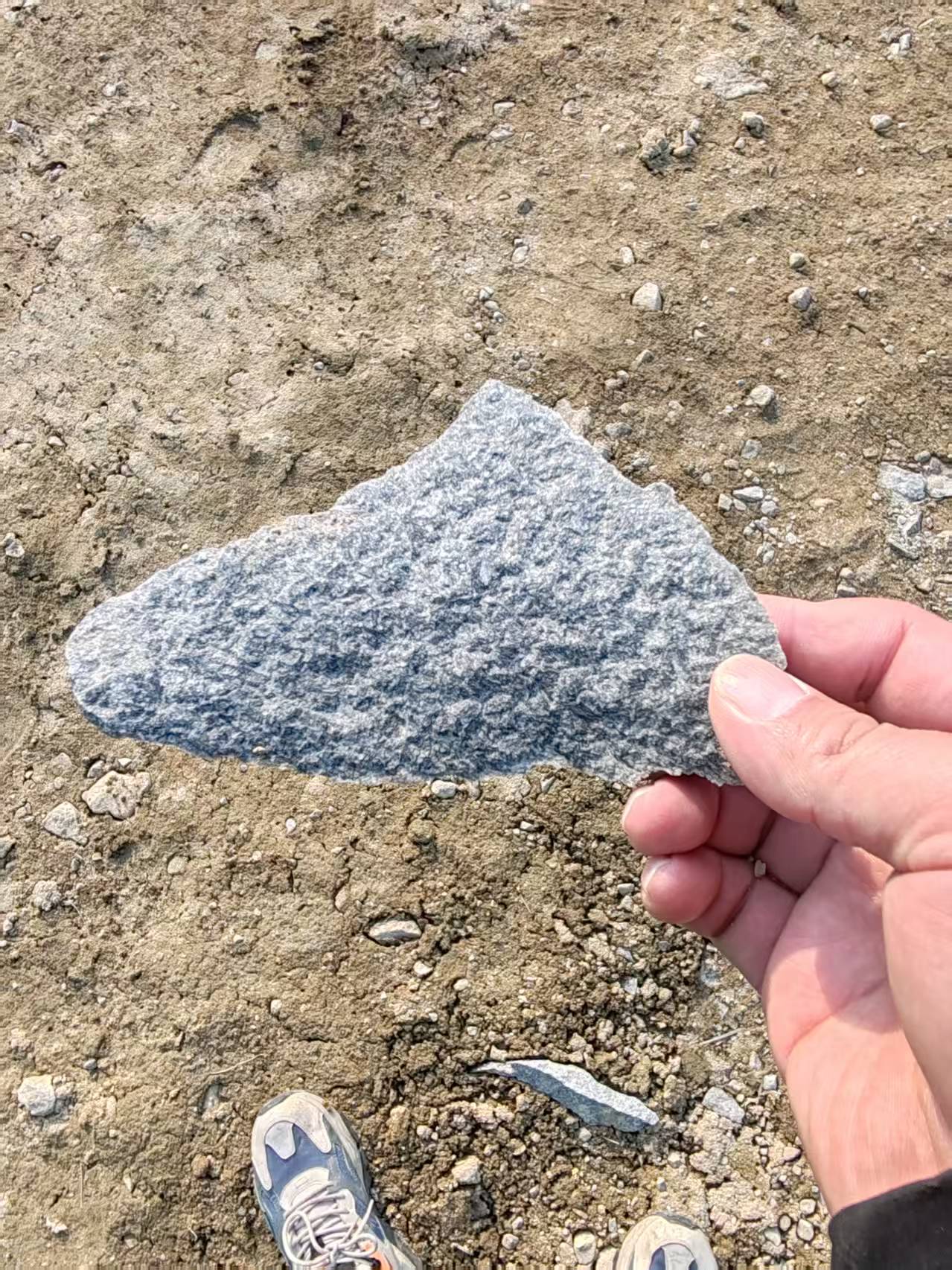
They provide a clean white surface that hides the body color underneath, serving as either the final surface finish or as a base layer for digital printing and decoration. Opaque glazes achieve their opacity through the addition of opacifiers — typically zirconium silicate (ZrSiO4) or tin oxide (SnO2) — which are fine particles that scatter light within the glass matrix. The flux material (feldspar or nepheline) affects opaque glaze quality through its contribution to the glass matrix that surrounds and supports the opacifier particles. For opaque glazes, we recommend SY101 K-feldspar rather than nepheline for most applications.
Technical Details & Formulation
The reasons: K-feldspar produces a lower-expansion glass (reducing crazing risk on standard tile bodies), and the higher SiO2 content helps maintain the refractive index difference between the glass matrix and the opacifier particles that creates opacity. Nepheline (K200 or K100) is appropriate for opaque glazes when you need lower firing temperature or when used in combination with K-feldspar to balance flux power and expansion control..

Product Recommendation
.
Need formulation support?
Our technical team helps you optimize your formulation. Samples for lab testing.