While the modern ceramic tile industry trends toward lower firing temperatures for energy efficiency, certain traditional and specialty ceramics still fire at elevated temperatures (1280-1400 degrees C).
Application Overview
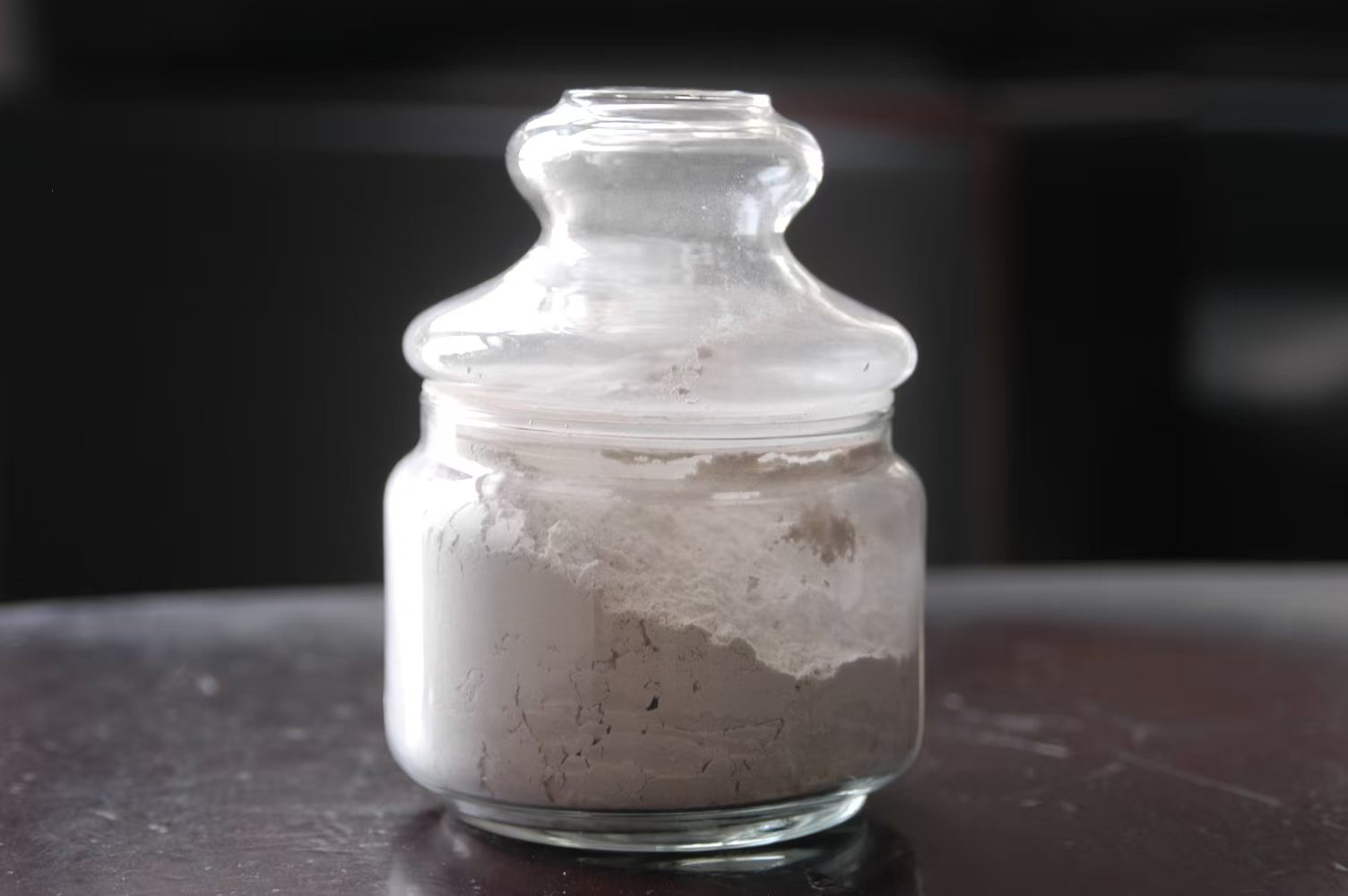
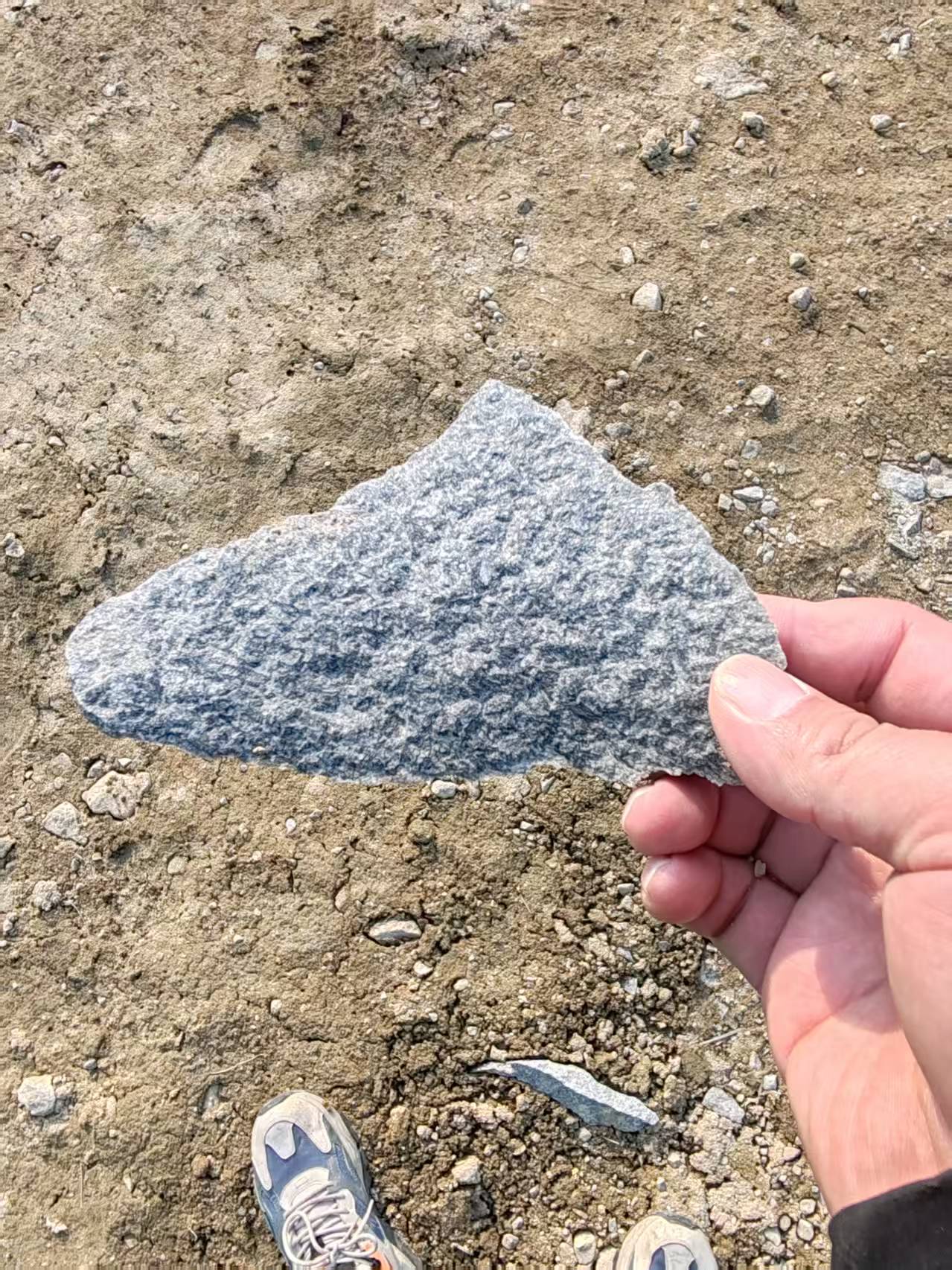
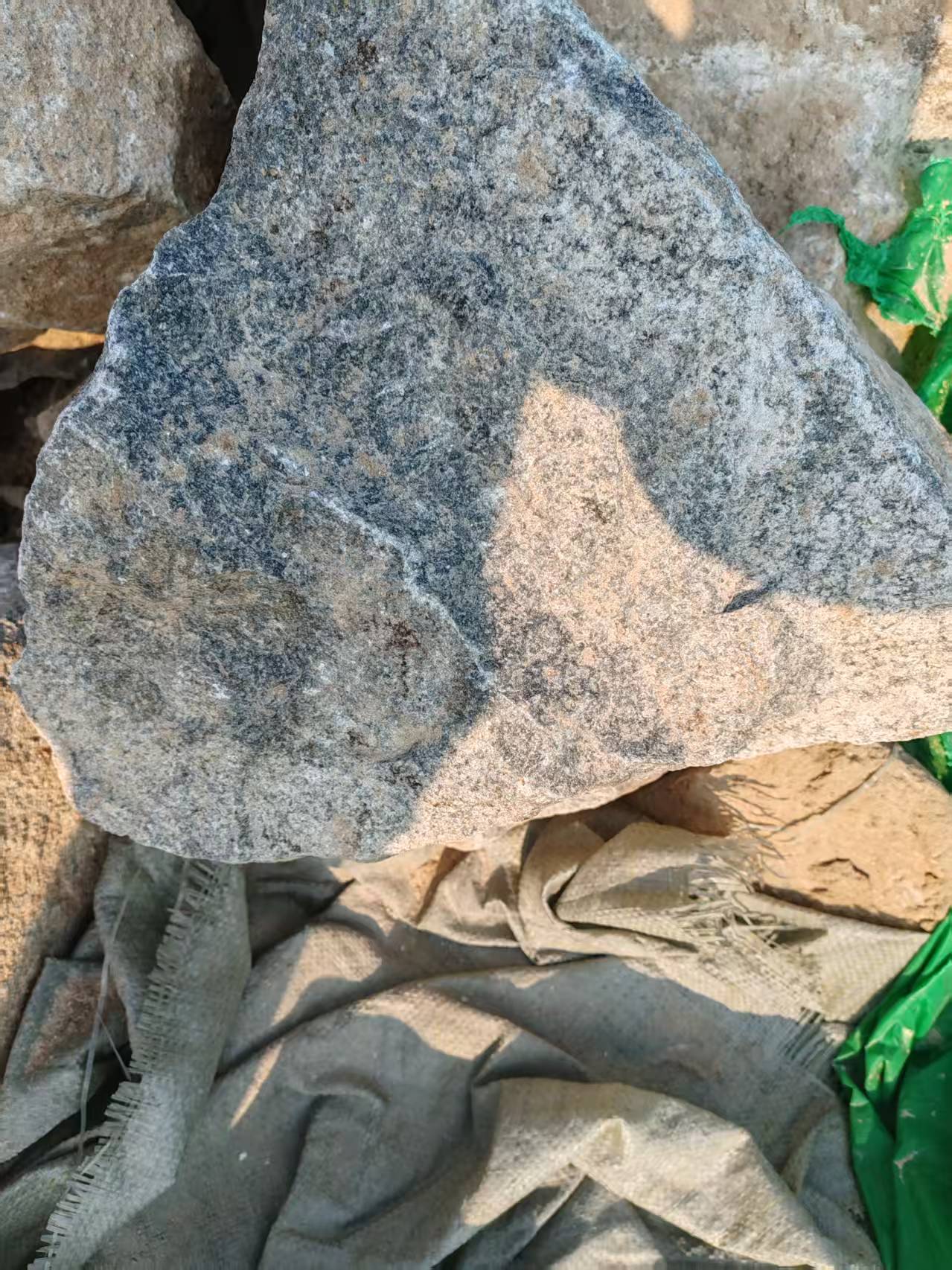
These include: traditional hard-paste porcelain (European-style bone-free porcelain), high-fired stoneware (for dinnerware and art pottery), technical ceramics (alumina-rich bodies for engineering applications), and kiln furniture (saggers and setter tiles). At these elevated temperatures, the flux material must melt to provide densification but maintain sufficient viscosity to prevent shape distortion. K-feldspar (orthoclase-dominant) is preferred over nepheline at temperatures above 1280 degrees C because: potassium produces a higher-viscosity melt than sodium at the same temperature, helping complex shapes resist slumping; the lower total alkali content provides a gentler fluxing action that does not over-fire the body; and the higher SiO2 contributes to a stable glass composition at elevated temperature. Our SY101 K-feldspar is recommended for high-temperature ceramics.
Technical Details & Formulation
Its consistent chemistry from flotation processing ensures reliable firing behavior batch after batch..
Product Recommendation
.
Need formulation support?
Our technical team helps you optimize your formulation. Samples for lab testing.