🔬 Processing Plant & Equipment
40M+ CNY invested in advanced wet-process technology
40M+ CNY invested in advanced wet-process technology
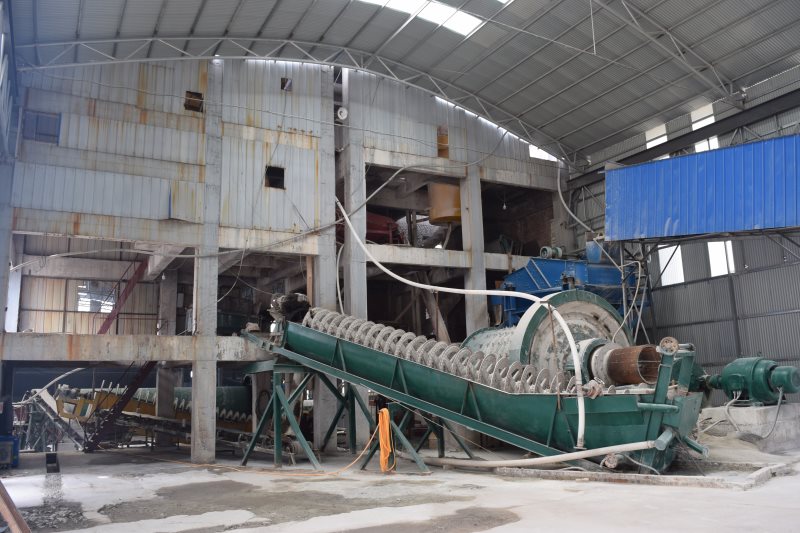
Our processing plant houses a complete wet-process production line — from primary crushing through wet grinding, multi-stage magnetic separation, classification, dewatering, and drying. Over 40 million CNY has been invested in this equipment specifically because wet processing achieves iron content (Fe2O3) levels 2-5 times lower than dry processing from the same ore. This investment is the foundation of our quality advantage.
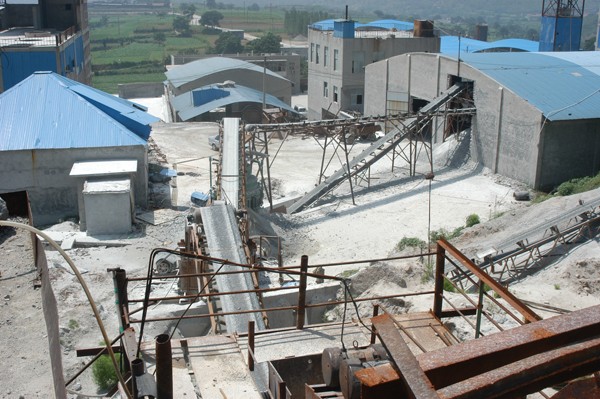
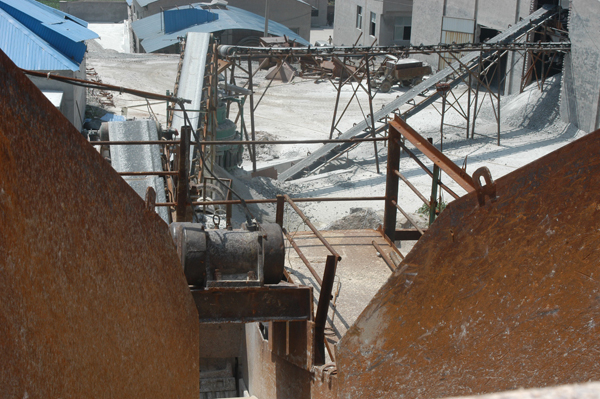
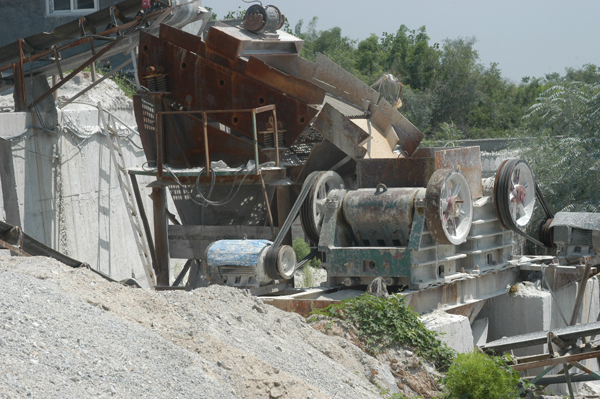
Raw ore from the quarry first passes through our two-stage crushing circuit. The primary jaw crusher handles large boulders (up to 800mm), reducing them to approximately 150mm. The secondary cone crusher further reduces the material to 10-20mm — the optimal feed size for wet ball milling.
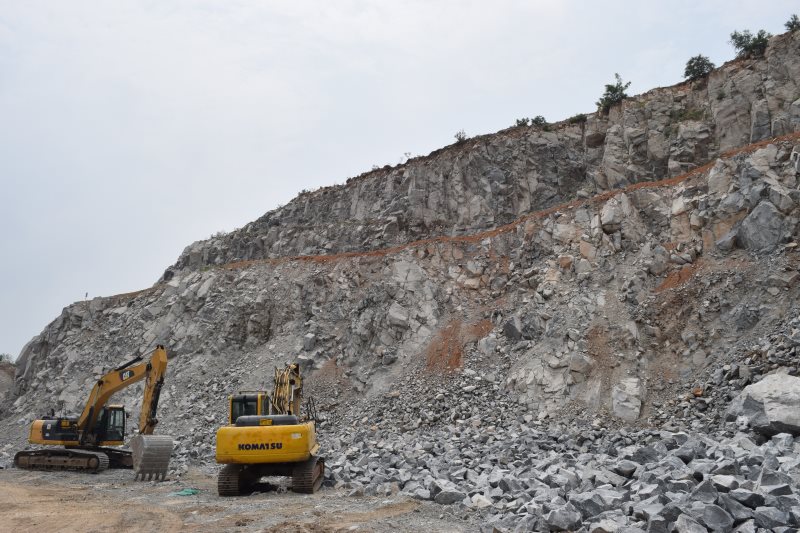
Primary ore crusher — jaw crusher for initial size reduction
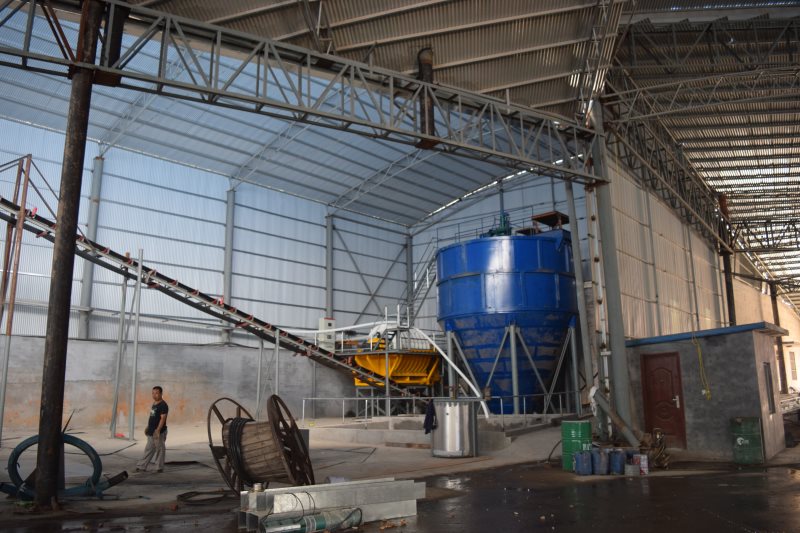
Vibrating screen — classifying crushed material by size
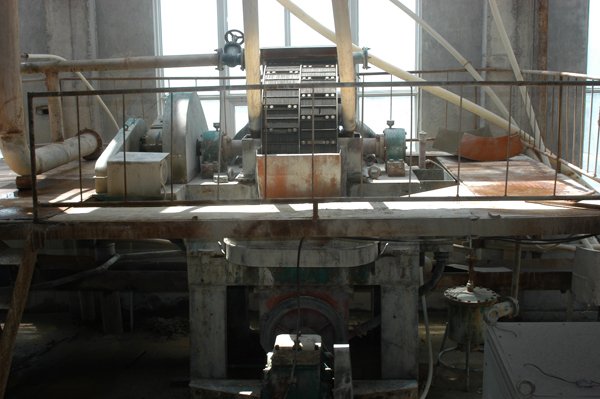
Vibrating screen close-up — precise size separation
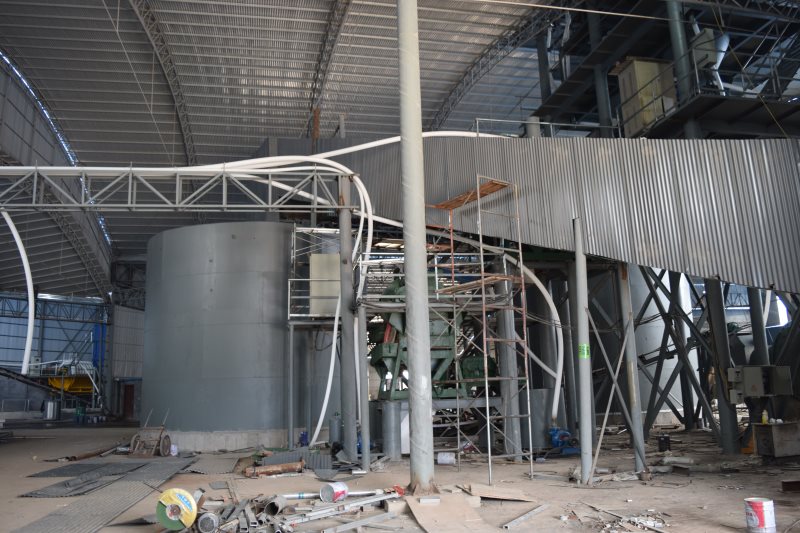
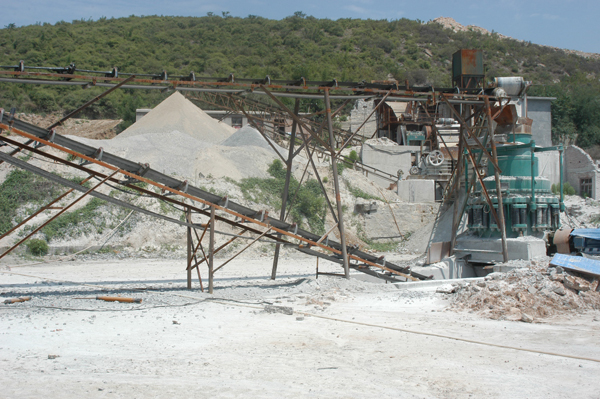
Conveyor belt system — transporting crushed ore between stages
Crushed ore is mixed with water and fed into large ball mills where grinding media reduce the particle size to 100 mesh (K100 grade) or 200 mesh (K200 grade). The wet grinding process is critical: water slurry liberates individual mineral particles — including tiny iron-bearing inclusions trapped inside larger grains — making them available for magnetic capture in the next stage. This liberation step is impossible in dry grinding, which is why wet-processed products achieve dramatically lower iron content.
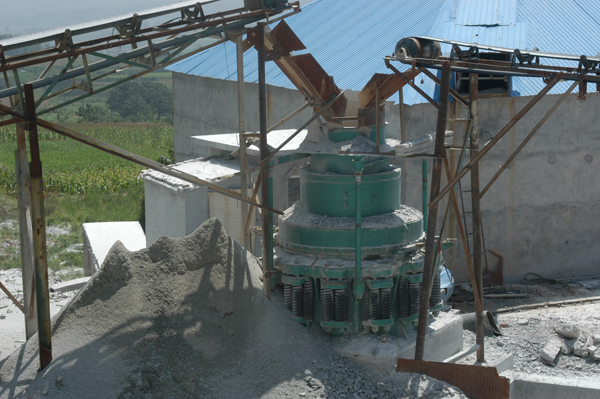
Ball mill exterior — the heart of our wet grinding circuit
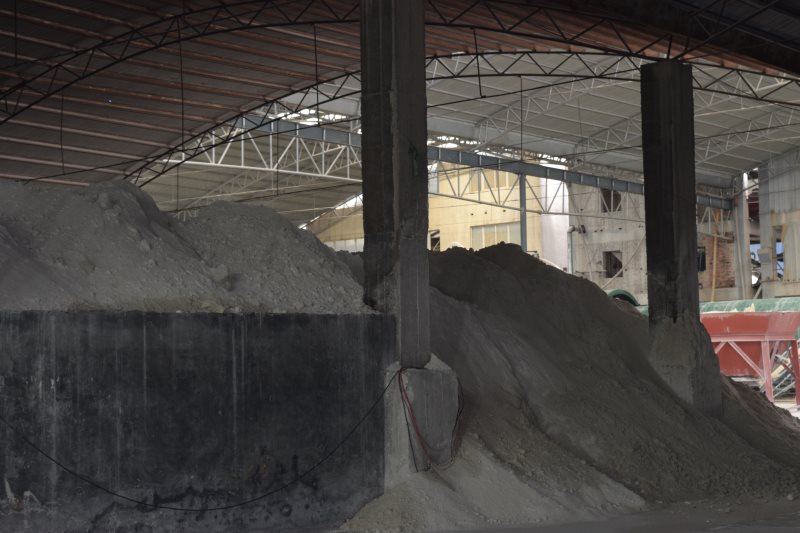
Ball mill in operation — continuous wet grinding
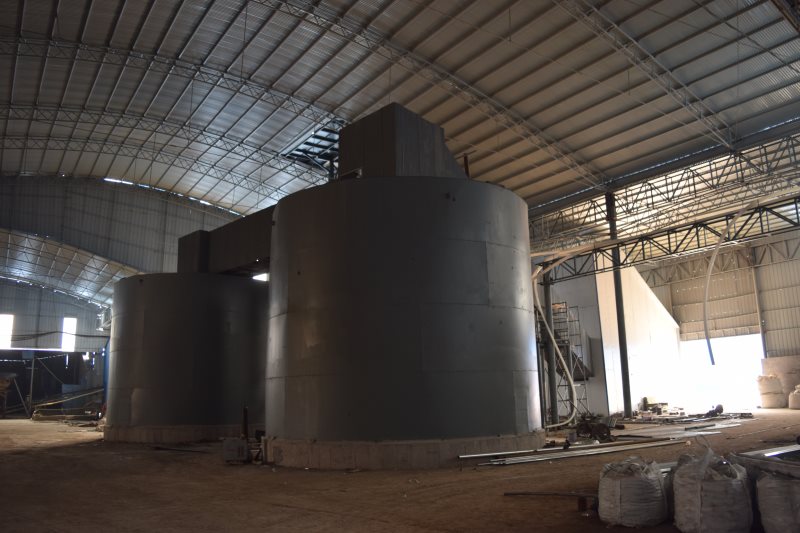
Second ball mill — parallel processing for capacity
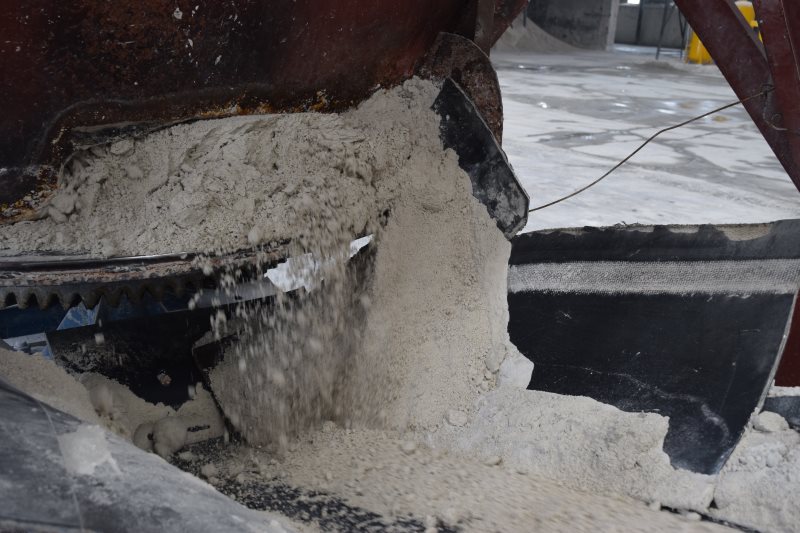
Large grinding mill — processing 800+ tons of ore daily
Slurry pump station — moving ground material between stages
This is where our quality advantage is created. The ground slurry passes through multiple stages of high-intensity wet magnetic separators (HIWMS). Each stage progressively removes finer and more weakly magnetic iron-bearing particles — from strongly magnetic magnetite in stage 1, to moderately magnetic biotite in stage 2, to weakly magnetic hornblende and ilmenite in stage 3. This progressive multi-stage approach is why our K200 achieves Fe2O3 of just 0.08%.
Magnetic separator close-up — high-intensity wet separation
Magnetic separation system — multiple stages visible
Flotation cell — used for K-feldspar beneficiation (SY101/TX101)
After magnetic purification, the clean slurry passes through hydrocyclone classifiers for precise particle size control, concentrator tanks for water recovery, and filter presses for dewatering. The filter cake enters rotary dryers where hot air reduces moisture to below 1.0%. Recovered water is recycled in a closed-loop system.
Concentrator/thickener tank — water recovery
Thickener system — settling and water recycling
Classifier system — particle size control
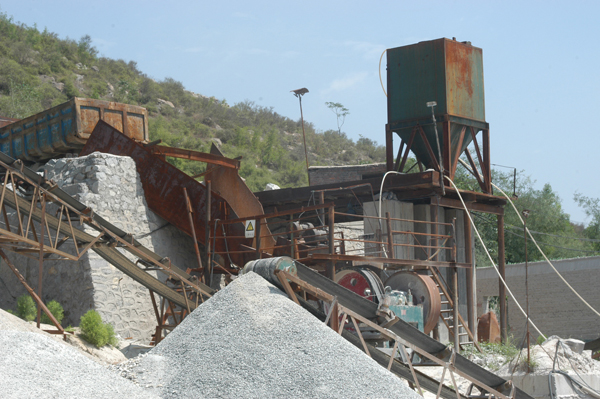
Rotary dryer — reducing moisture to below 1%
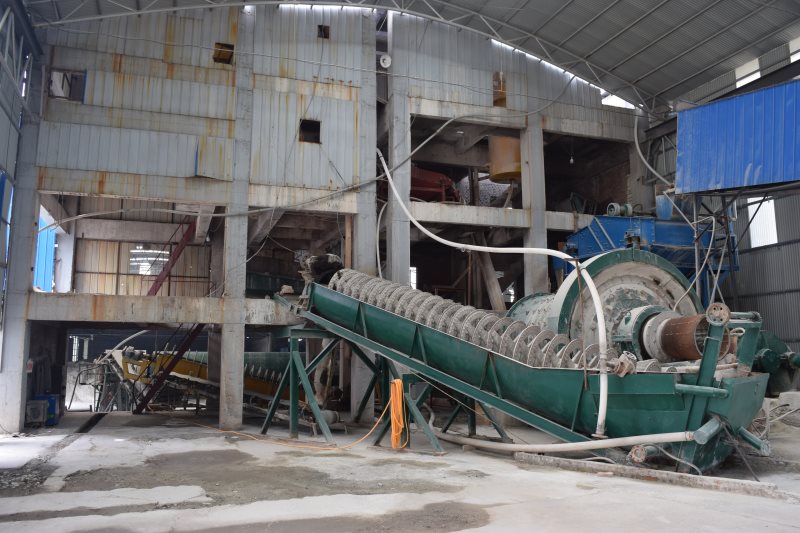
Storage silo — dried product before packaging
Dried nepheline powder is packaged using automated filling equipment into either 1,200kg FIBC jumbo bags or 50kg PP woven bags. Our plant includes overhead cranes for bag handling, a packaging machine for accurate weight filling, and a control room for monitoring the entire production line.
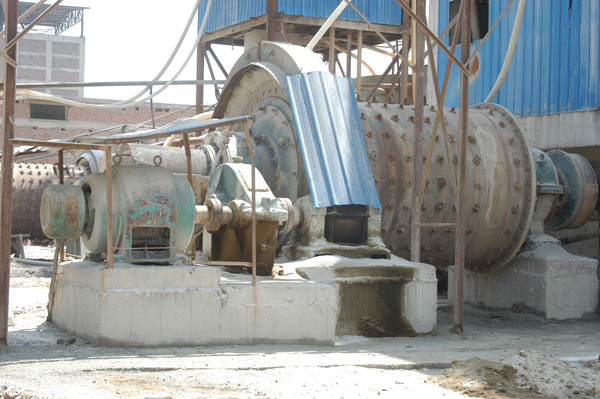
Automatic packaging machine — precise weight filling
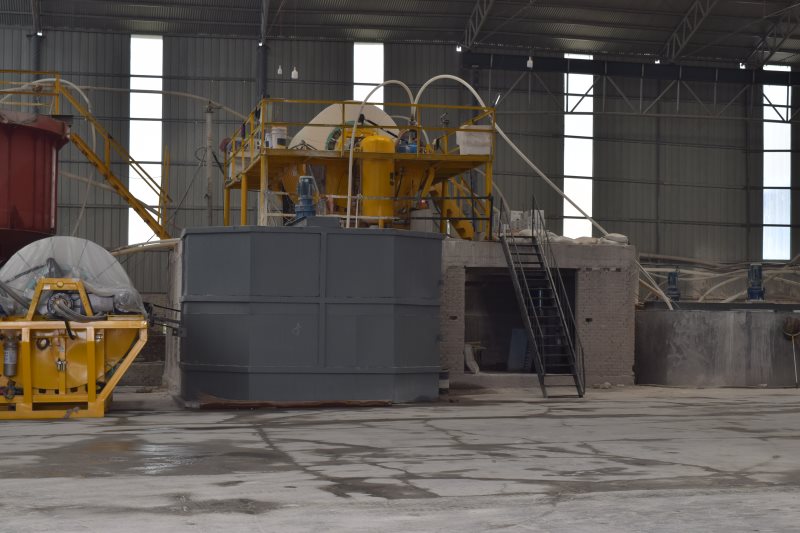
Overhead crane — handling jumbo bags in the warehouse
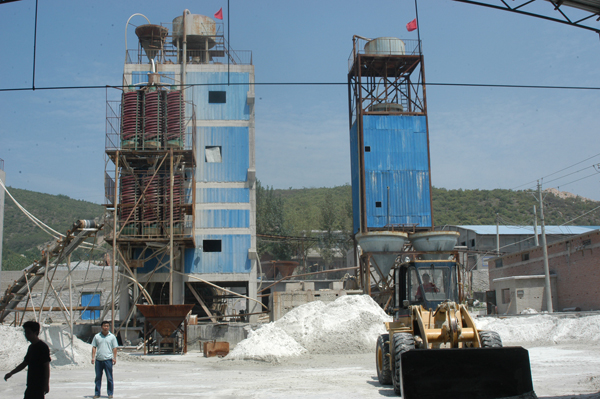
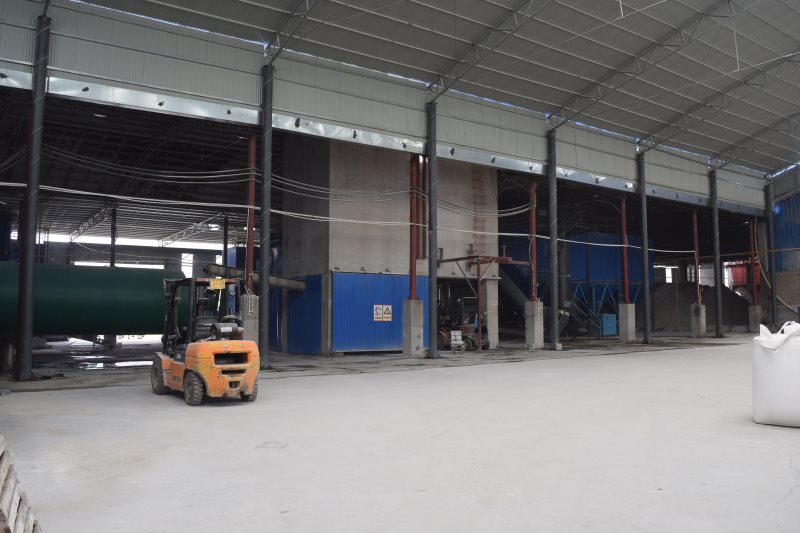
Warehouse loading area — forklift operations
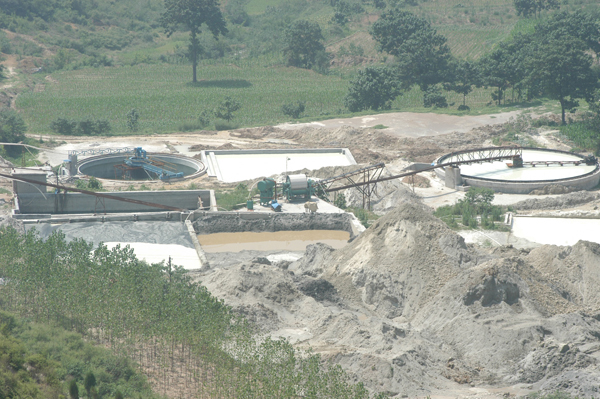
Control room — monitoring the entire production line
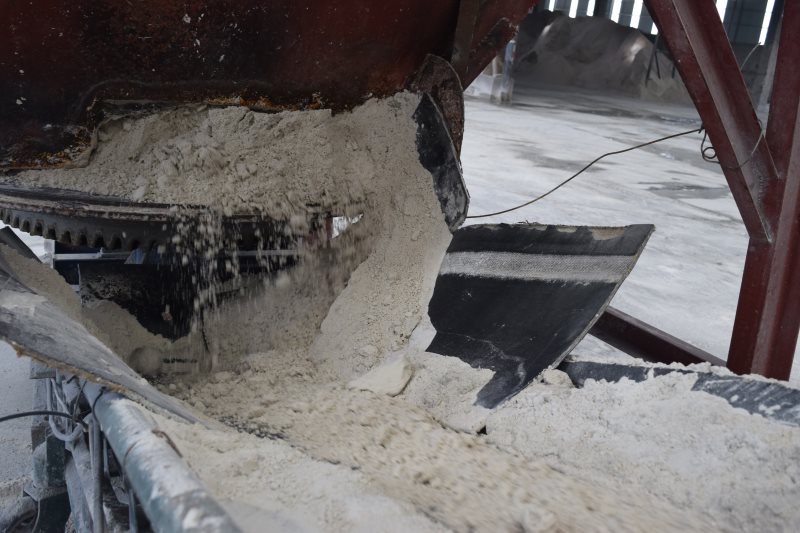
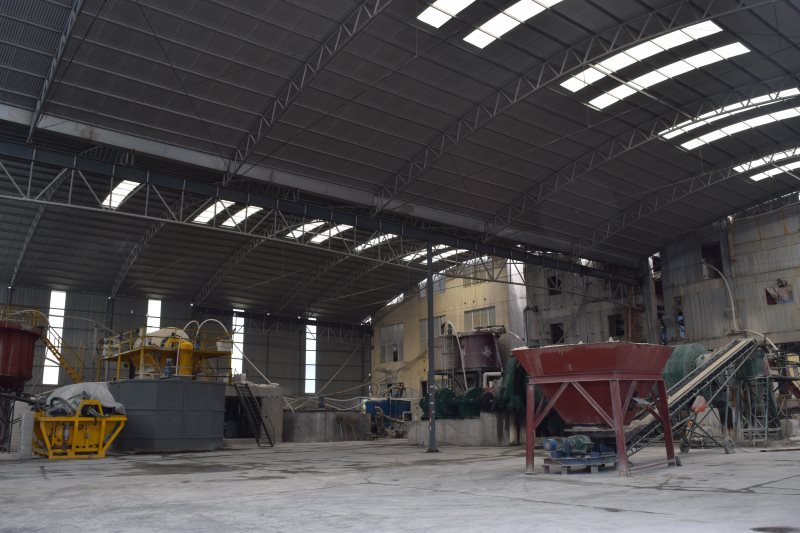
Processing plant interior — integrated production line

Power supply station — dedicated electrical infrastructure
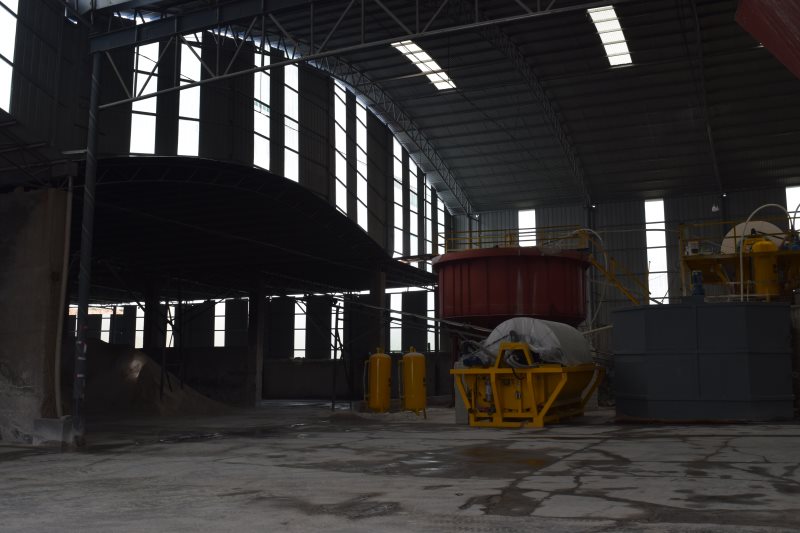
Wet process line overview — from grinding to separation
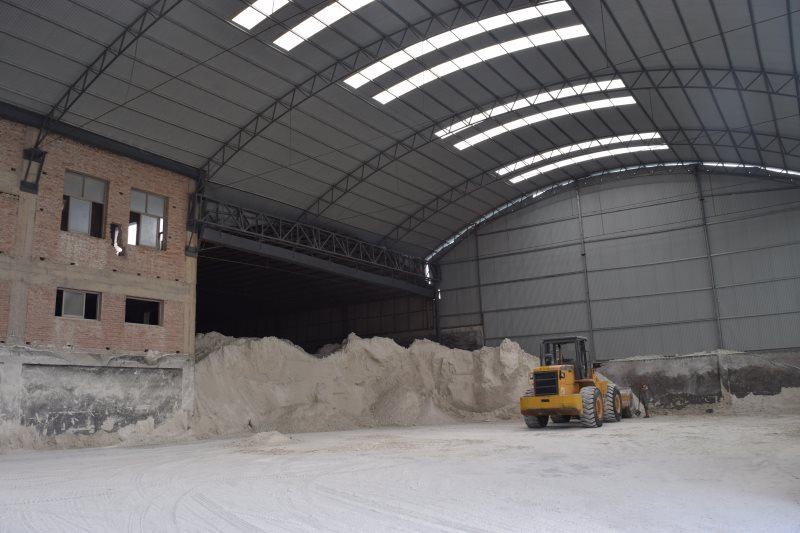
Production line panorama — continuous operation
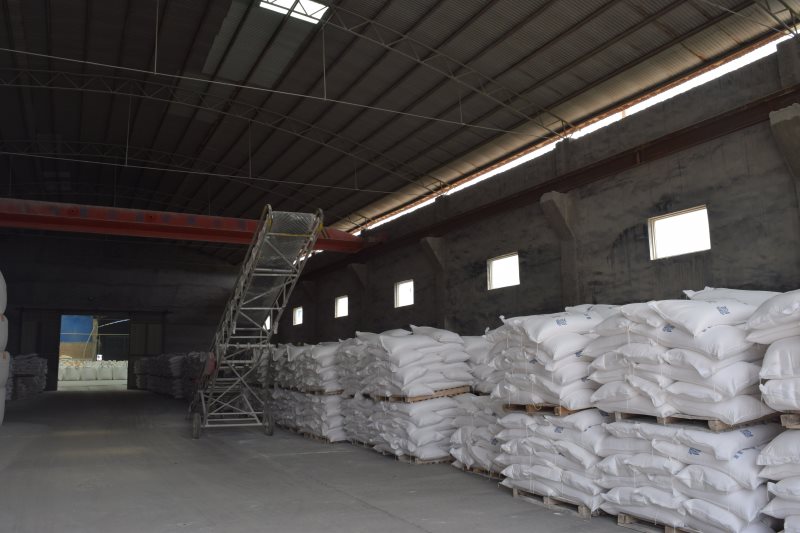
Processing hall interior
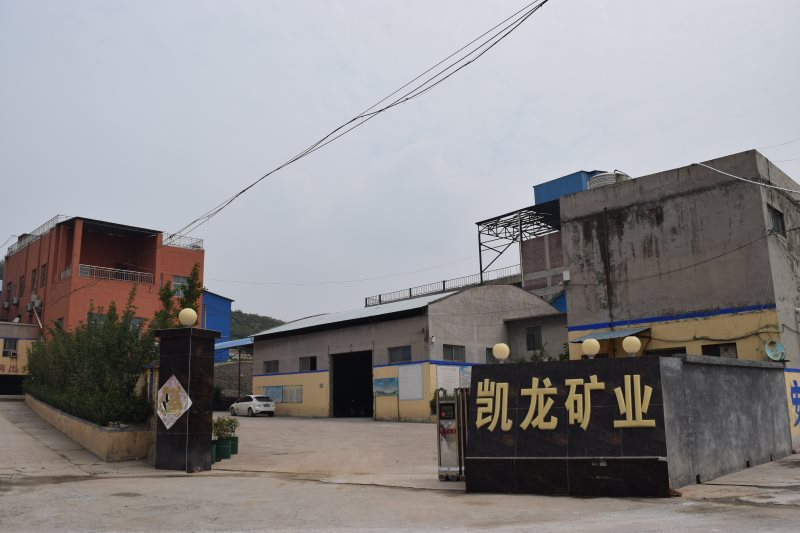
Full production line — ore in, powder out
Schedule a Factory Visit
See our operations in person. Airport pickup from Zhengzhou (CGO). 3 days advance booking.
Samples · COA · Competitive pricing · 24h response