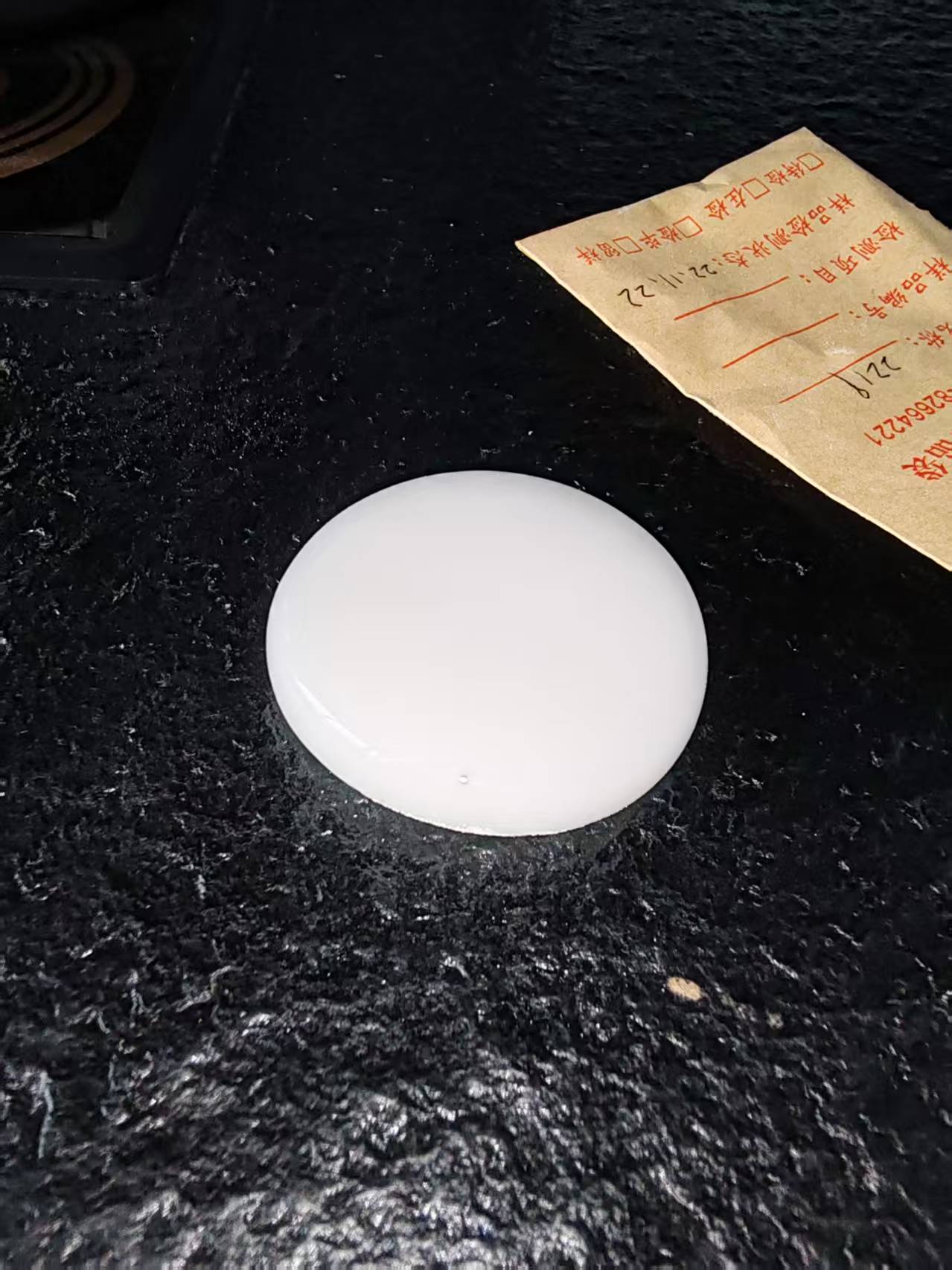
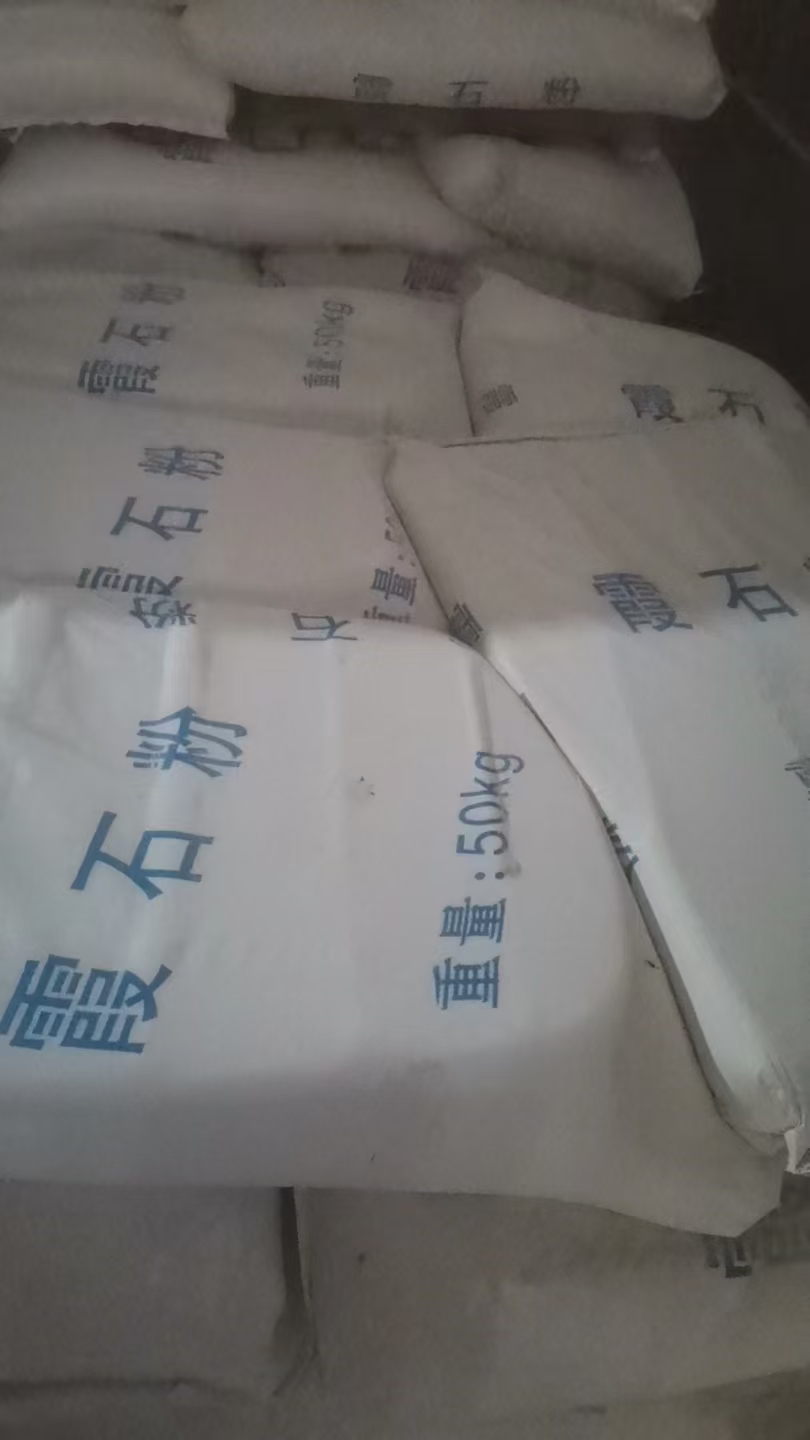
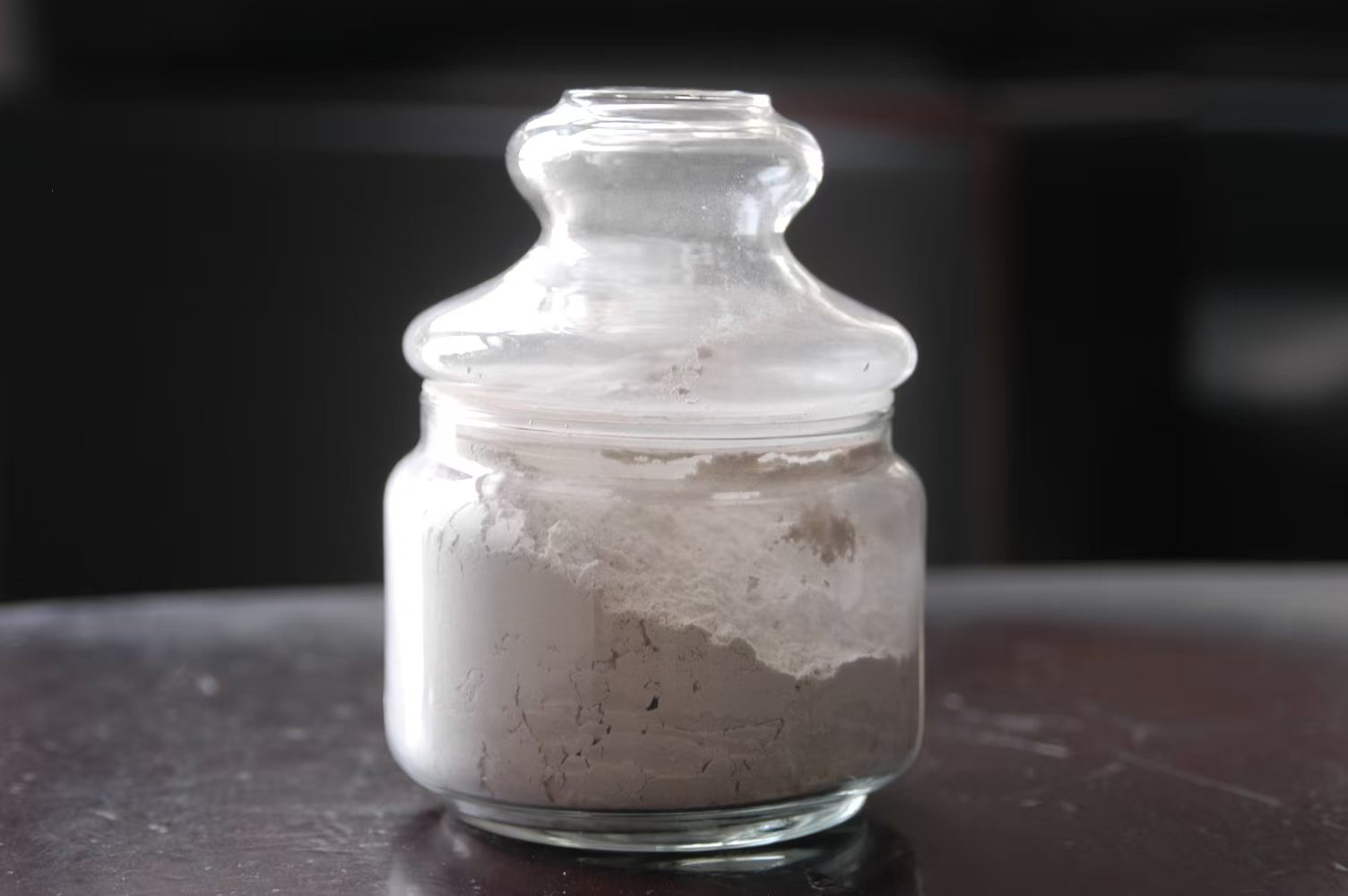
| Property | Nepheline Syenite | Wollastonite |
|---|---|---|
| Our product | K200 / K100 / GP20 | — |
| Primary oxides | Na2O+K2O 12-16%, Al2O3 20-24% | CaO 46-48%, SiO2 50-52% |
| Flux mechanism | Alkali flux (Na2O, K2O) | Alkaline earth flux (CaO) |
| Melting onset | ~1050°C | ~1100°C |
| Al2O3 contribution | High (20-24%) | None |
| Free silica | None | None |
| Thermal expansion | Higher (from alkali) | Lower (from CaO+SiO2) |
| Shrinkage | Normal | Low (due to acicular shape) |
| Best application | Porcelain, vitrified tiles | Fast-firing, low-shrinkage tiles |
Nepheline syenite and wollastonite are both used as flux materials in ceramics, but they work through completely different mechanisms and serve different purposes. Understanding the distinction helps you optimize your formulation — and in many cases, using both together produces the best results.
Different Flux Mechanisms
Nepheline syenite is an alkali flux — it provides Na2O and K2O which aggressively break Si-O-Si bonds in the ceramic matrix, creating a fluid glass phase at relatively low temperatures. This makes it the most powerful per-ton flux available for ceramic bodies. Wollastonite is an alkaline earth flux — its CaO melts more gently, producing a higher-viscosity glass phase that densifies the body without the aggressive melting action of alkali. The practical difference: nepheline drives complete vitrification for porcelain and low-absorption tiles, while wollastonite supports partial densification with controlled porosity.
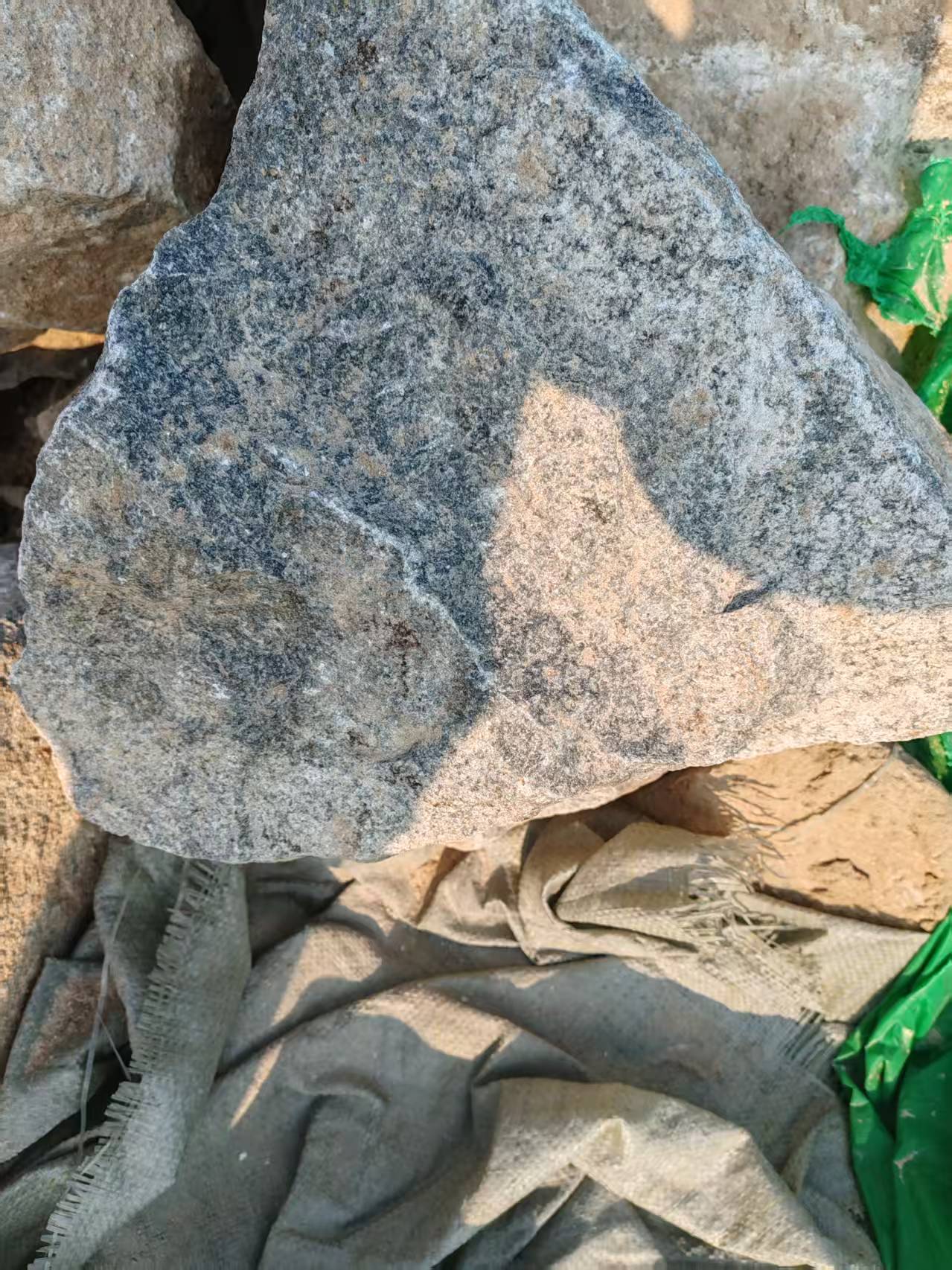
Key Advantages of Each
Nepheline advantages: Strongest flux per ton (lowest firing temperature). Provides Al2O3 for body strength. No free silica. Ultra-wide firing range. Available in ultra-low iron grades (K200 at 0.08% Fe2O3) for white bodies.
Wollastonite advantages: Low fired shrinkage (the acicular crystal shape reinforces the body like fiber reinforcement). Excellent for fast-firing cycles. No LOI (loss on ignition) — no gas generation during firing. Lower thermal expansion than nepheline. Good for wall tiles and products requiring dimensional stability.
When to Use Each — and Together
Use nepheline alone when you need full vitrification (porcelain, floor tiles below 0.5% absorption). Use wollastonite alone for fast-firing wall tiles where low shrinkage and dimensional stability matter more than vitrification. Use both together (a common industrial approach) to get the best of both: nepheline provides the alkali flux for vitrification while wollastonite controls shrinkage and provides CaO for glaze fit. Typical combined use: 15-20% nepheline (K100) + 5-8% wollastonite in a floor tile body.
See the difference yourself
Request samples for your own side-by-side comparison in your lab.