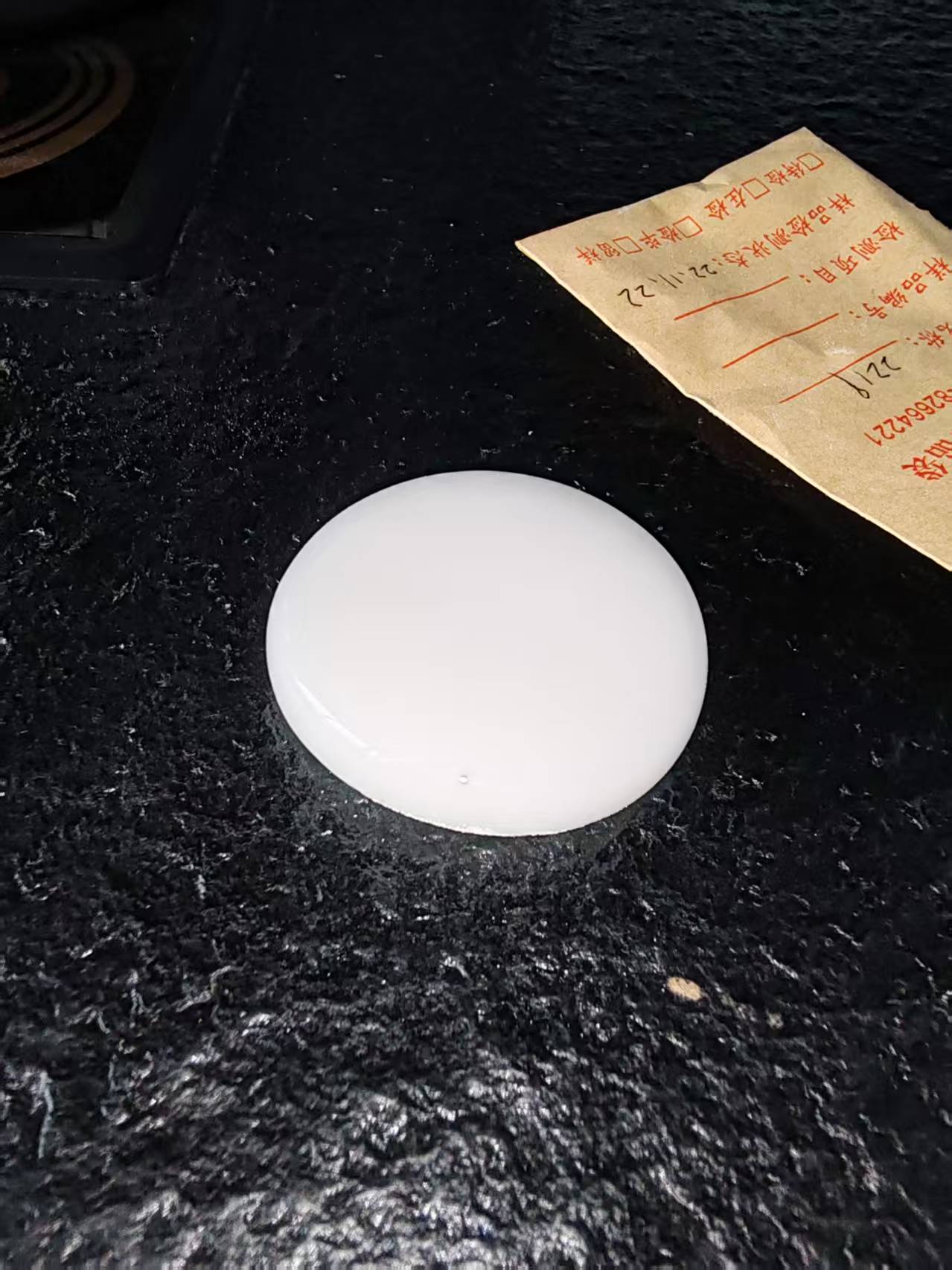
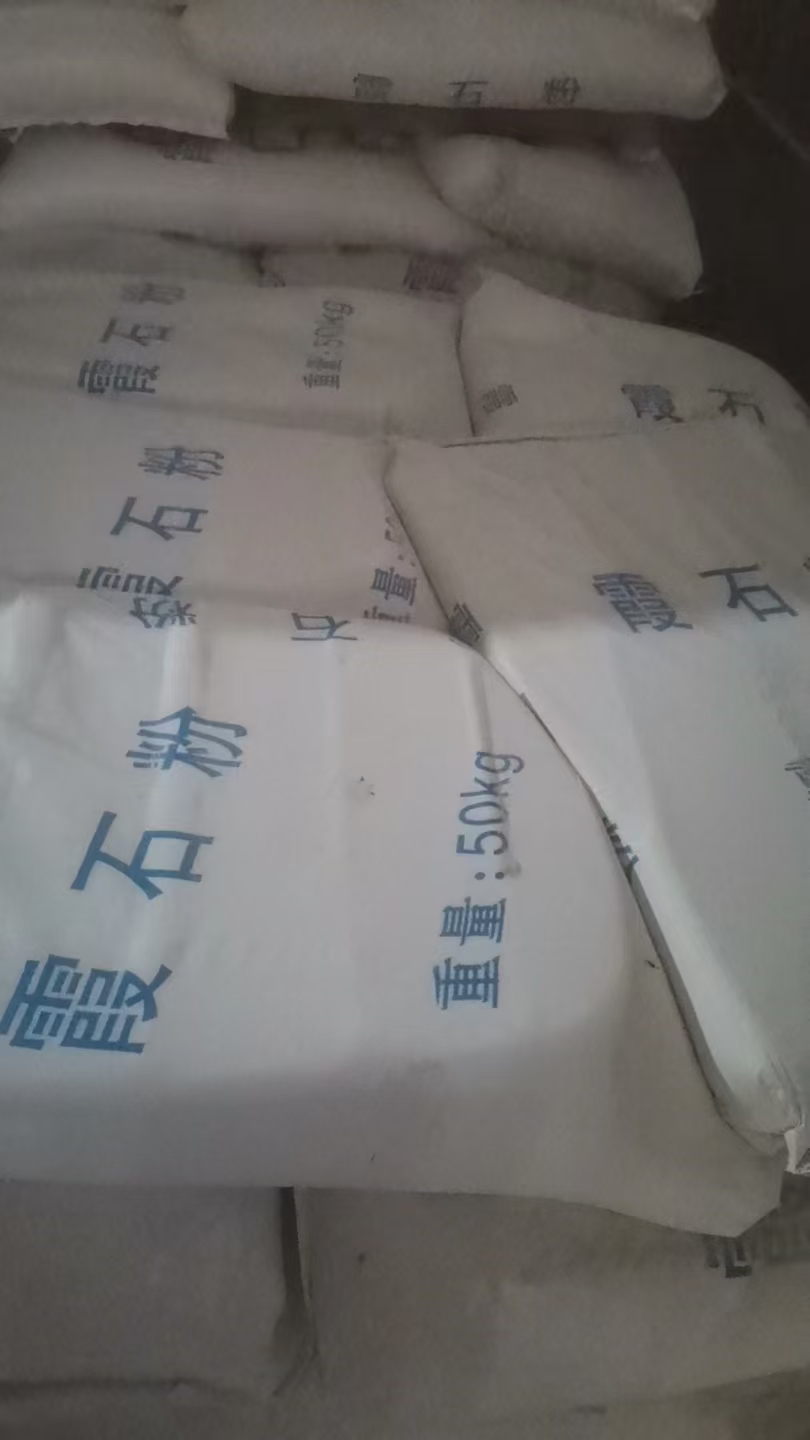
Calcium carbonate (CaCO3, limestone, whiting) is used in some ceramic bodies — particularly earthenware and wall tiles — as a flux and porosity modifier.
Detailed Comparison
It decomposes at 850-900 degrees C to release CO2 gas and form CaO, which then acts as a flux at higher temperatures. Nepheline and CaCO3 serve fundamentally different functions: nepheline is a primary vitrification flux for producing dense, strong bodies; CaCO3 creates controlled open porosity in wall tiles and contributes CaO for specific glass phase properties. They are complementary, not competing materials. In wall tile bodies, a typical formulation uses 10-15% nepheline (K100) for primary fluxing plus 5-10% CaCO3 for porosity control and expansion adjustment. In porcelain bodies, CaCO3 is avoided (the gas release at 850 degrees C can cause defects in dense bodies) and nepheline at 25-30% handles all vitrification.
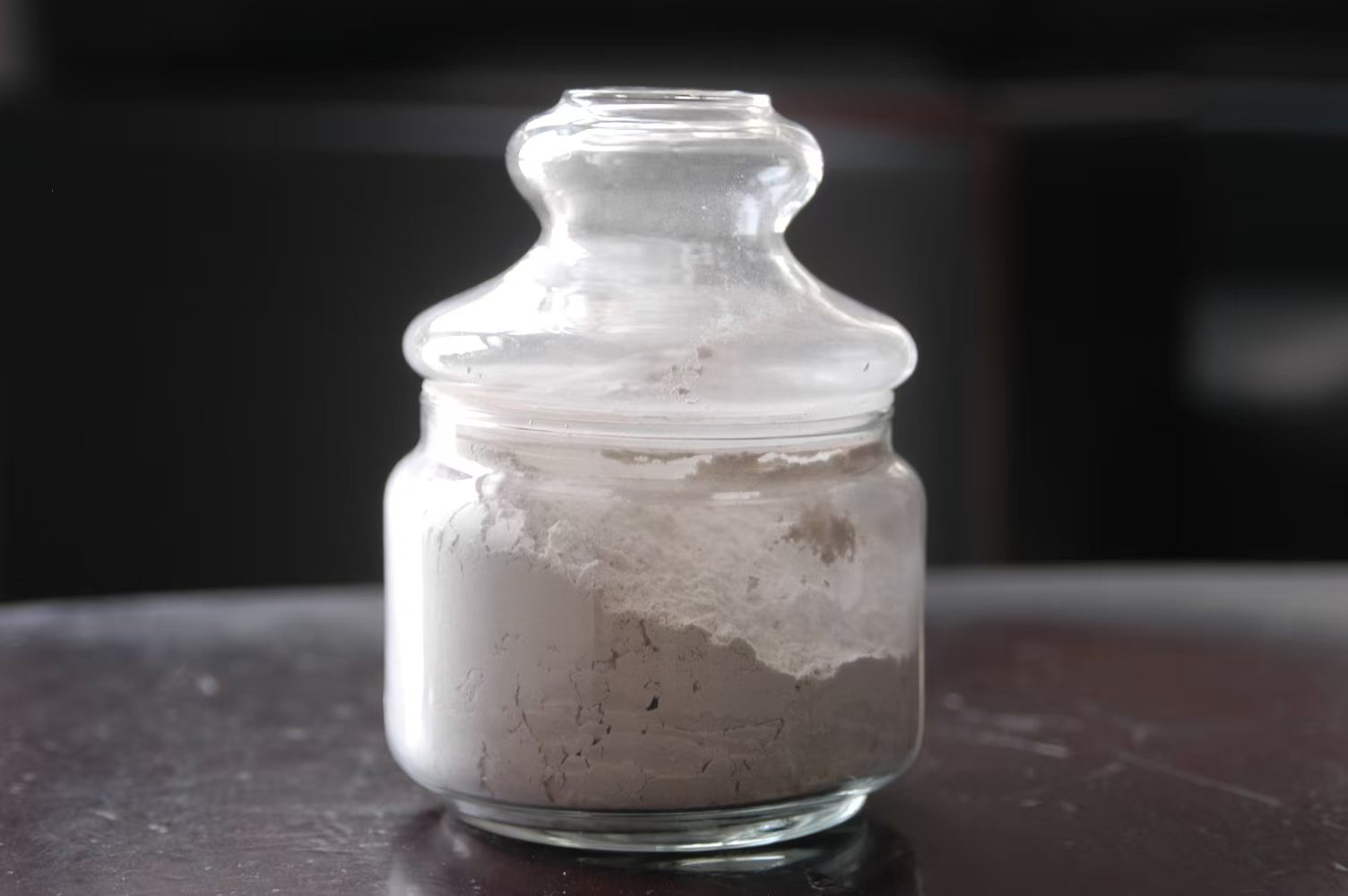
Analysis & Recommendation
Our GP20 grade already contains 5.34% CaO naturally — for applications where CaO contribution is desired, GP20 provides both alkali flux and CaO from a single material without the gas generation problem of CaCO3..
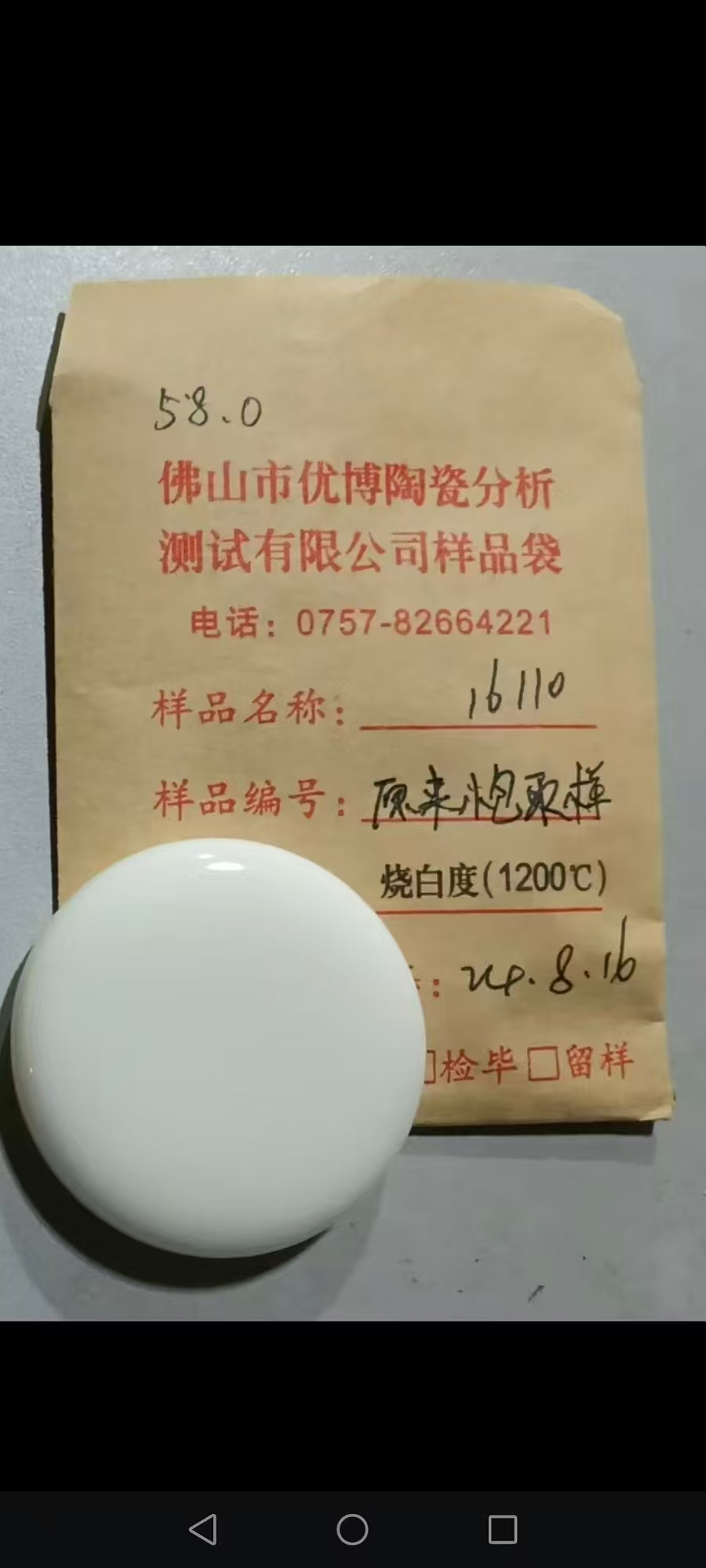
See the difference yourself
Request samples for your own side-by-side comparison in your lab.