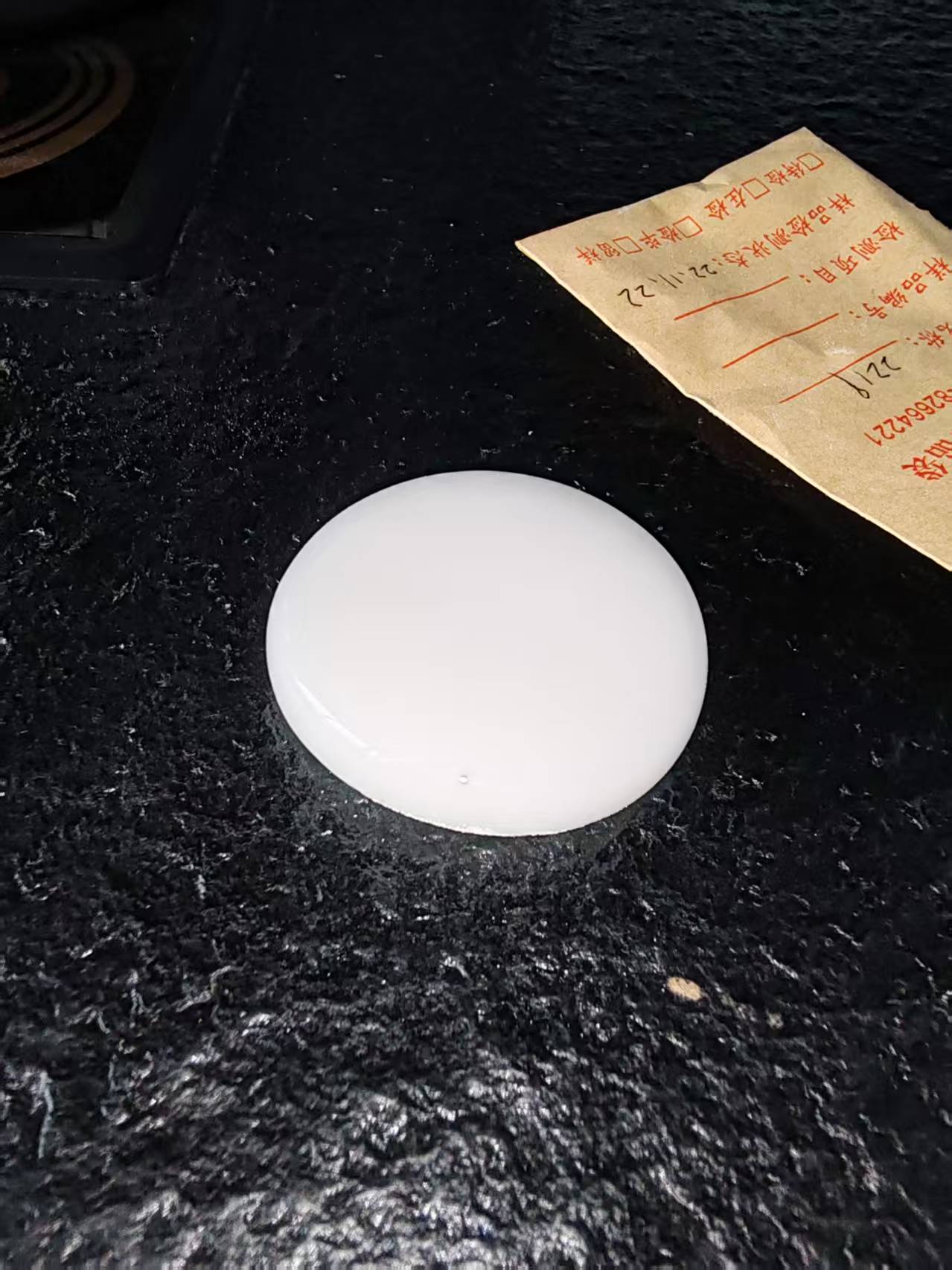
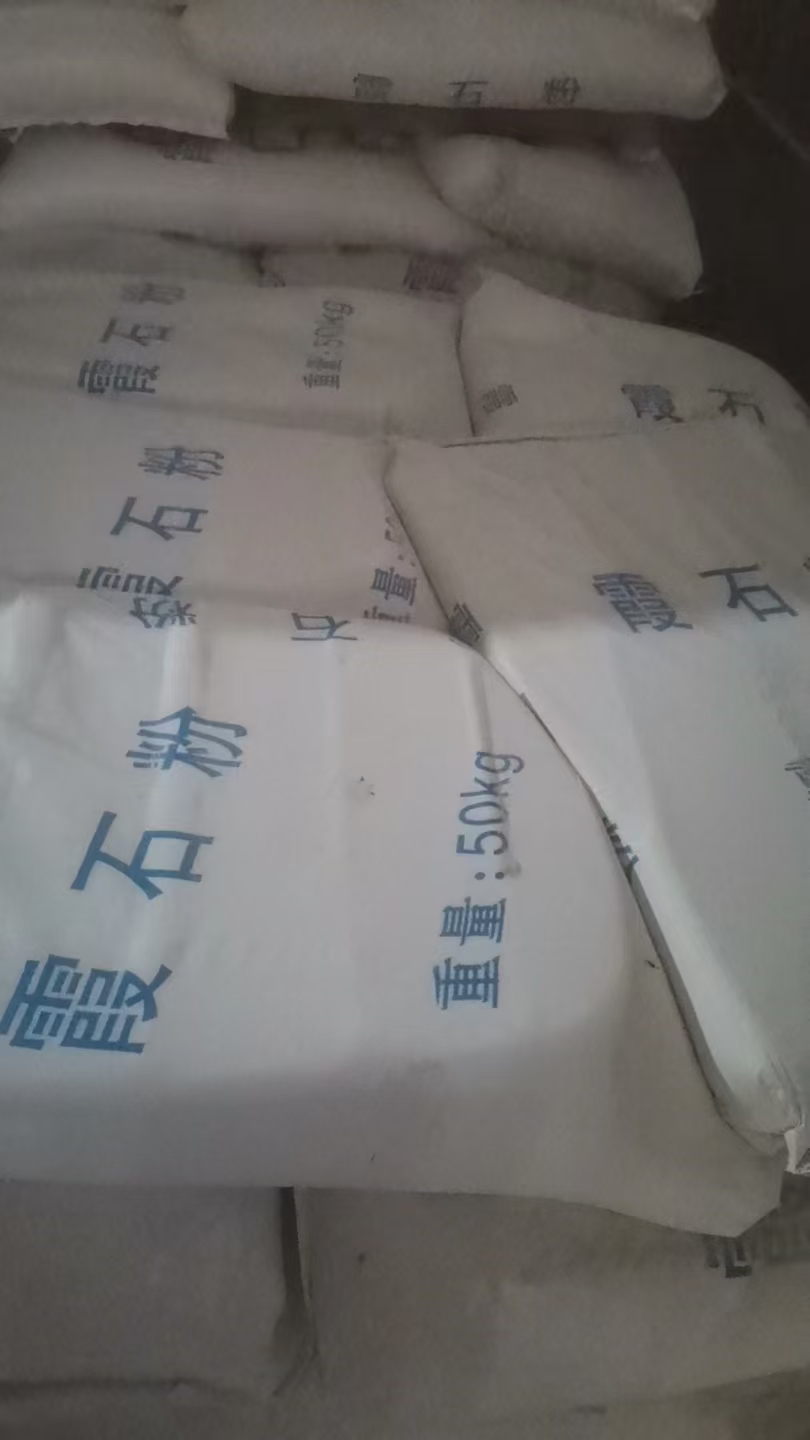
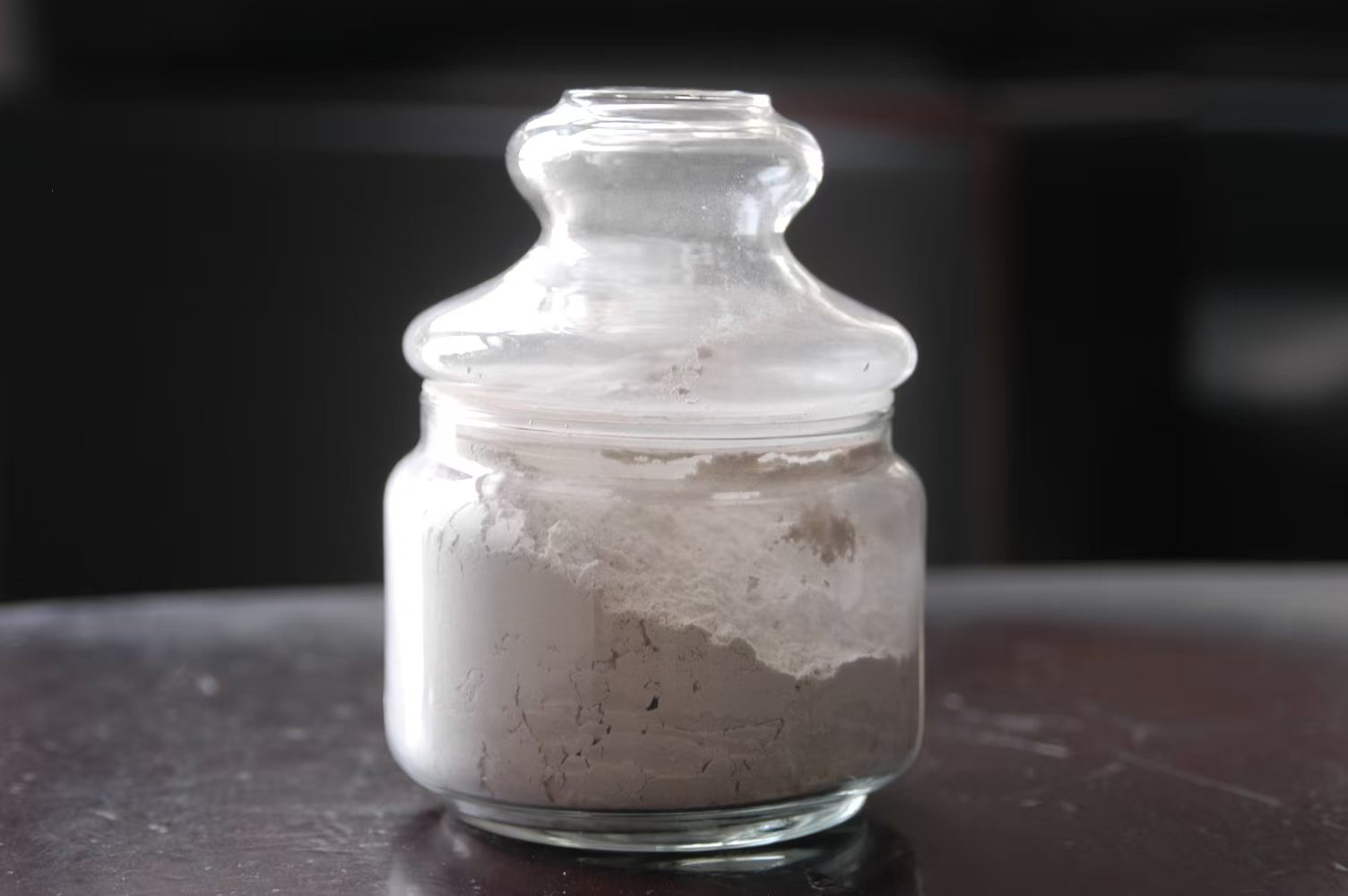
Potassium feldspar (orthoclase, K-feldspar) and sodium feldspar (albite, Na-feldspar) are both used as ceramic flux materials but behave differently in firing.
Detailed Comparison
The key difference: K2O produces a more viscous melt than Na2O at the same temperature. This viscosity difference drives the application selection. Use K-feldspar (our SY101) when: you need shape retention during firing (sanitaryware, electrical porcelain, complex geometries); you need a higher-viscosity glaze for thick application; you need lower thermal expansion in the glaze (K2O has lower expansion coefficient than Na2O). Use Na-feldspar when: you need more aggressive fluxing at lower temperature (Na2O is a stronger flux than K2O); you need lower glaze viscosity for smooth self-leveling surfaces; wall tile glazes requiring low melting point. Use nepheline (which contains both K2O AND Na2O) when: you want the combined benefits of both alkali types; you need the widest firing range; you need maximum flux efficiency per ton.
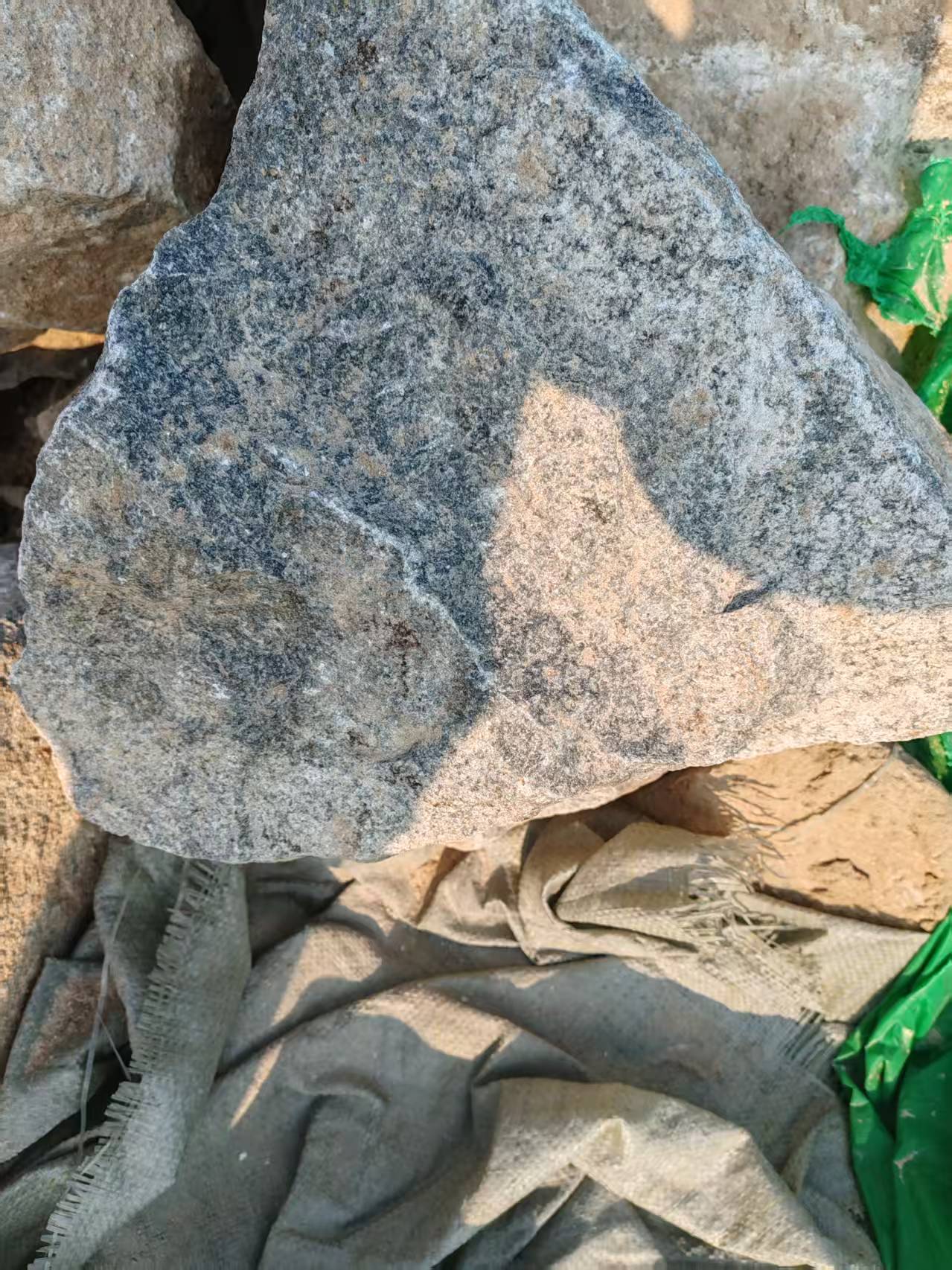
Analysis & Recommendation
In practice, nepheline syenite often replaces both K-feldspar and Na-feldspar in the body formulation, while K-feldspar (SY101) remains preferred in many glaze formulations for its lower-expansion glass phase..
See the difference yourself
Request samples for your own side-by-side comparison in your lab.