| Factor | Chinese (Ceramic Minerals) | Norwegian (Sibelco) |
|---|---|---|
| Deposit | Jiulongshan, Henan | Stjernoy, Northern Norway |
| Processing | Wet, multi-stage | Flotation + magnetic |
| Fe2O3 | 0.08-0.14% | 0.04-0.08% |
| Total Alkali | 14-16% | 14-15% |
| Market focus | Asia, ME, Africa, LatAm | Europe, Americas |
| CIF SE Asia | Low | High (long distance) |
| CIF Europe | Medium | Low-Medium |
| Lead time (Asia) | 2-4 weeks | 8-10 weeks |
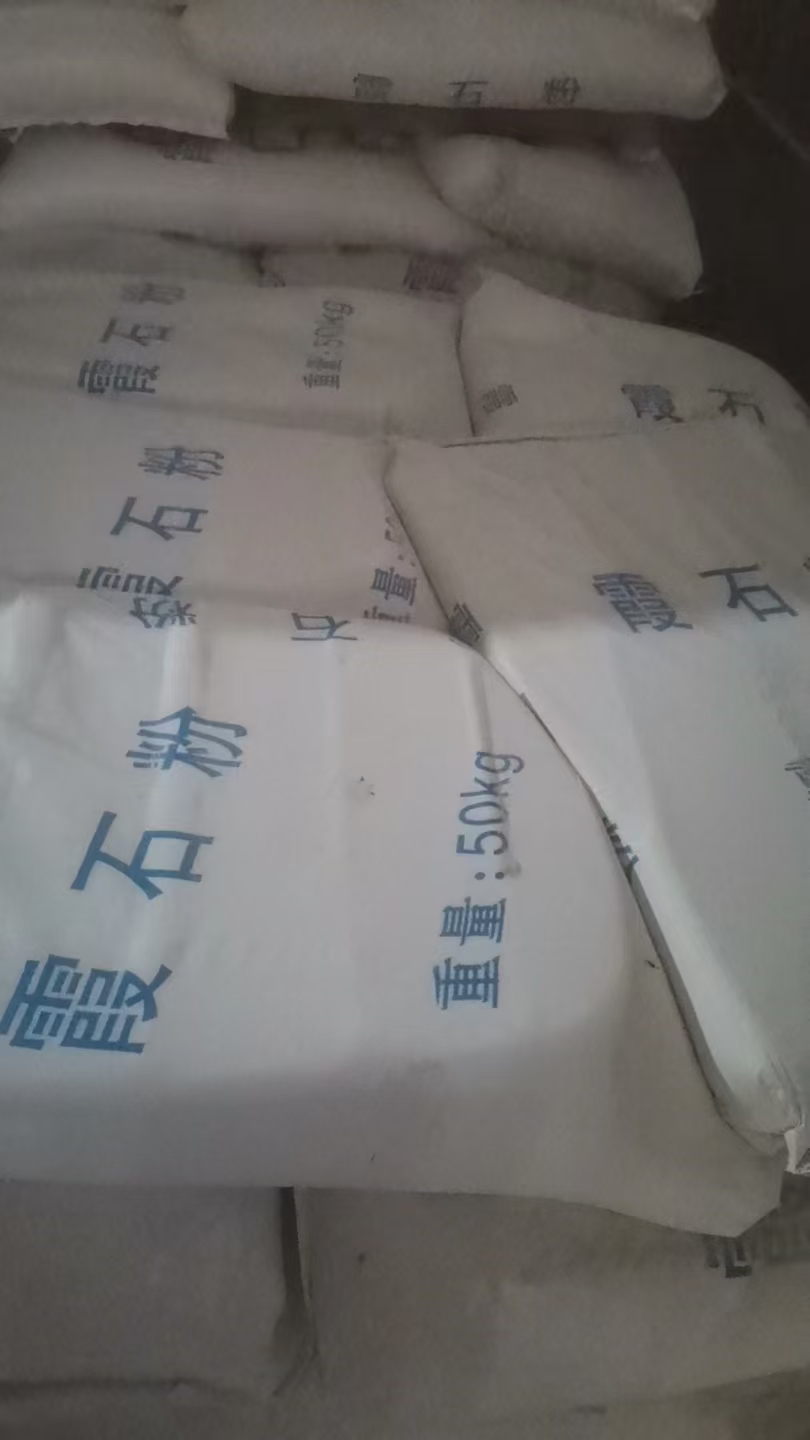
Sibelco's Norwegian nepheline syenite (marketed under various product names from their Stjernoy operation) is widely used in European ceramics and has an excellent quality reputation. For international buyers evaluating alternative sources, this comparison helps you understand where Chinese nepheline from Ceramic Minerals offers advantages and where Norwegian material may be preferred.
Quality Position
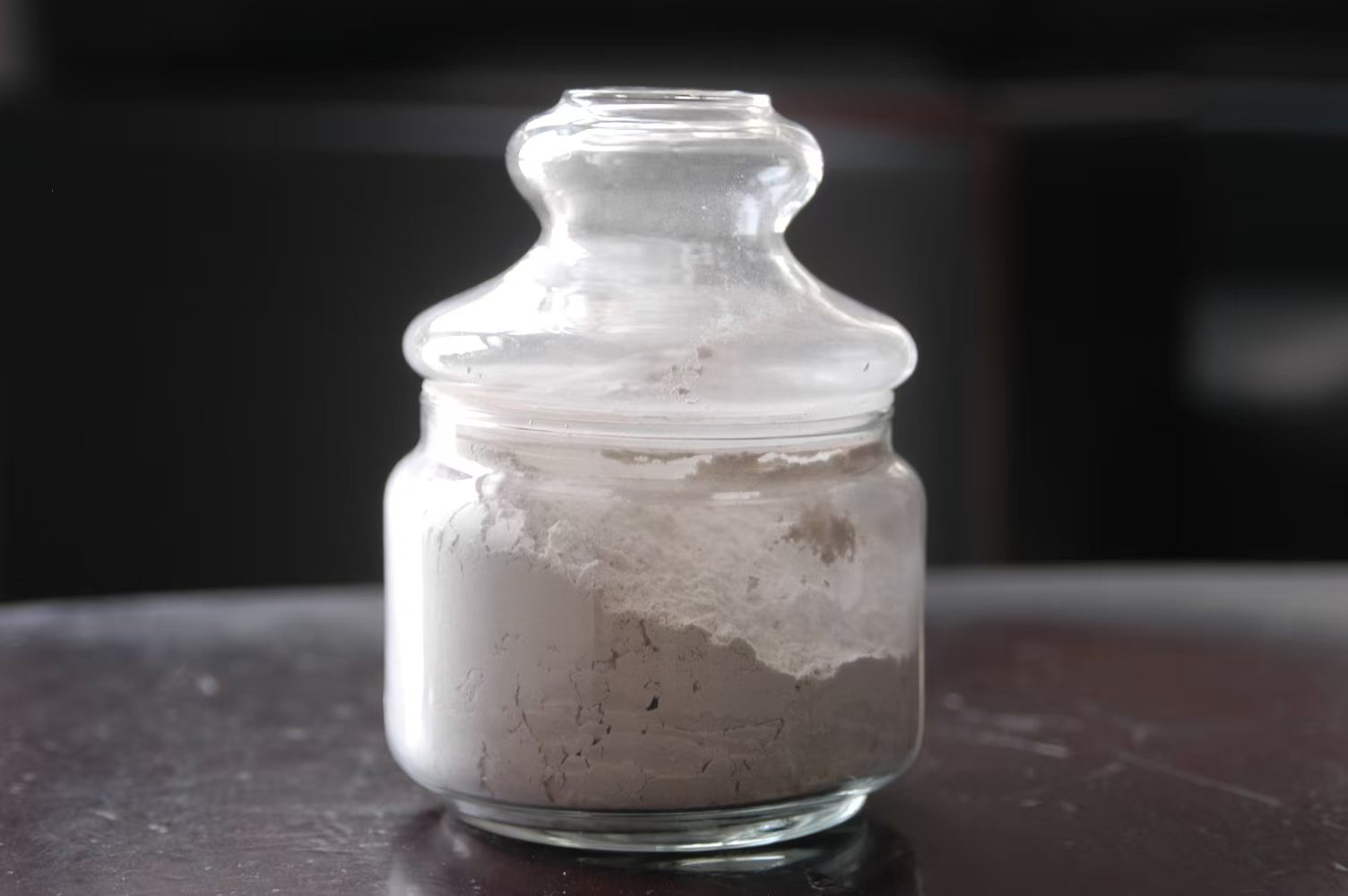
Norwegian nepheline achieves the lowest Fe2O3 levels in the global market (0.04-0.08%), reflecting both exceptional ore geology and advanced processing. Our K200 at 0.08% matches the upper end of the Norwegian range — suitable for all but the most extreme whiteness requirements. For the vast majority of ceramic tile, sanitary ware, and tableware applications, this difference is not visible in the finished product. Only for specialty applications requiring absolute maximum whiteness (certain dental ceramics, ultra-premium fine china) would Norwegian material offer a meaningful quality advantage.
Cost and Logistics Advantage
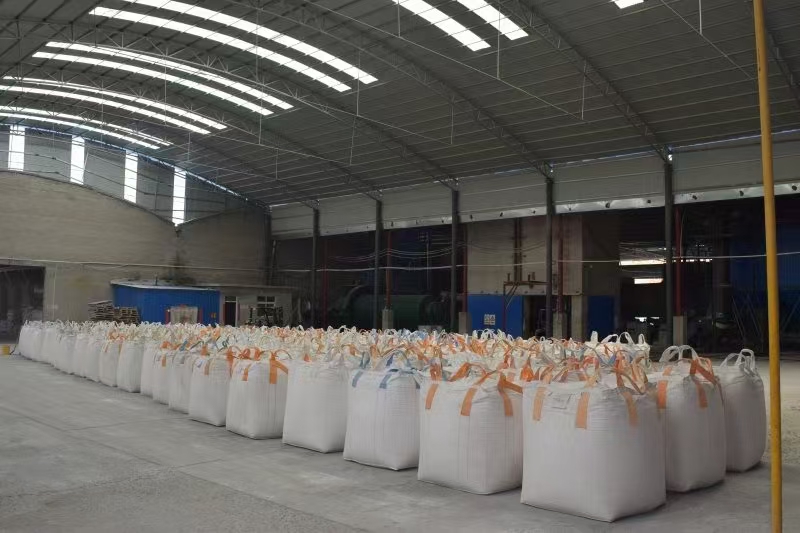
For Asian, Middle Eastern, and African buyers, the logistics advantage of Chinese supply is substantial: 14-21 days shipping to most major ceramic markets vs 30-45 days from Norway. The freight cost difference is significant — Norwegian material must transit long distances to reach the world's largest ceramic production zones. For a typical annual import of 500 tons, switching from Norwegian to Chinese source can save USD 20,000-40,000 in freight costs while maintaining equivalent product quality for standard ceramic applications. For European buyers, Norwegian material has the logistics advantage — shorter shipping and established supply chains throughout the EU.
Dual-Source Strategy
Some large manufacturers maintain both Chinese and Norwegian/Canadian suppliers as a dual-source strategy. This provides supply security and commercial leverage. We support this approach — request samples for qualification testing alongside your existing supplier. Even if you maintain your current source for some product lines, Chinese nepheline from Ceramic Minerals can serve your cost-sensitive product lines at lower landed cost without sacrificing quality.
See the difference yourself
Request samples for your own side-by-side comparison in your lab.