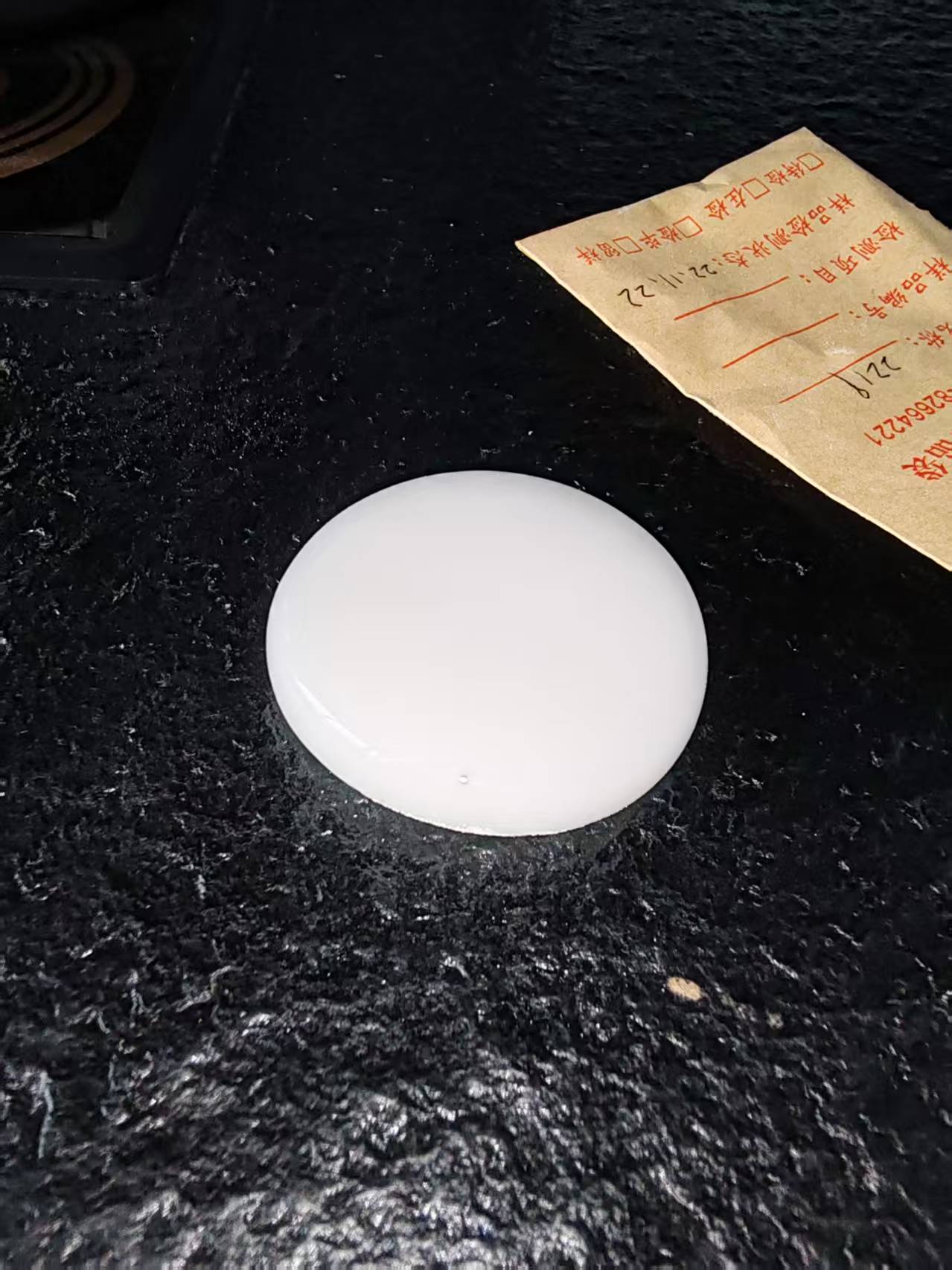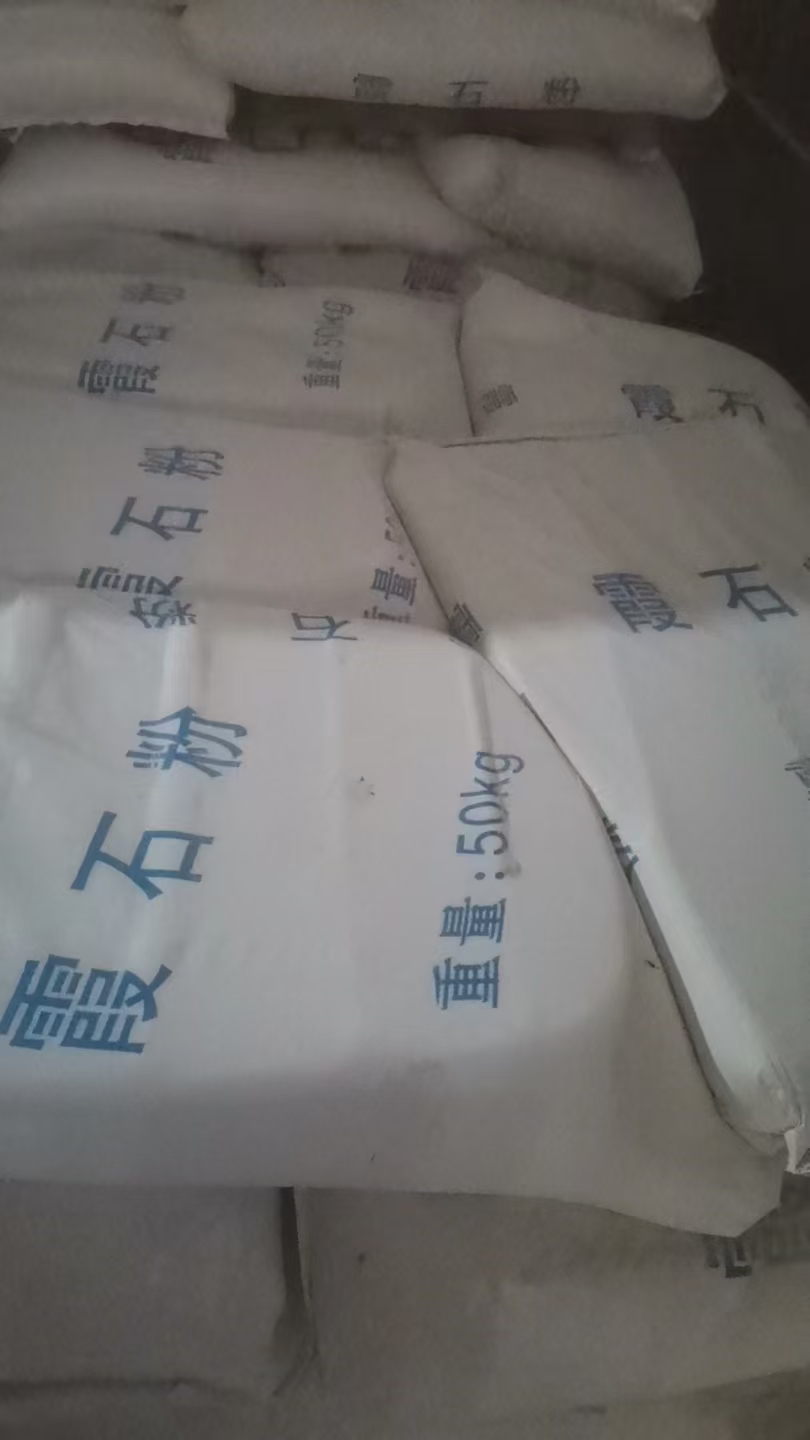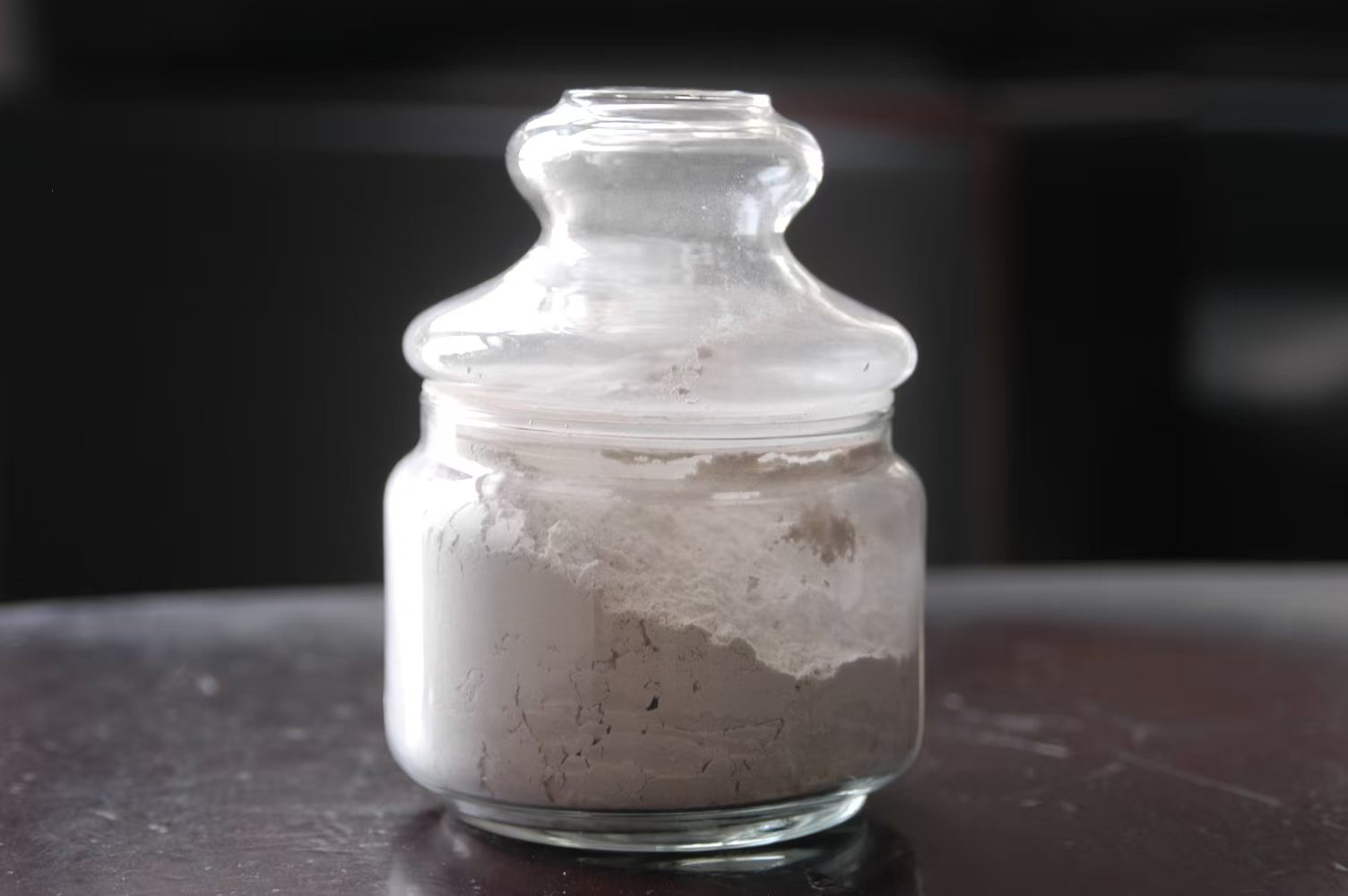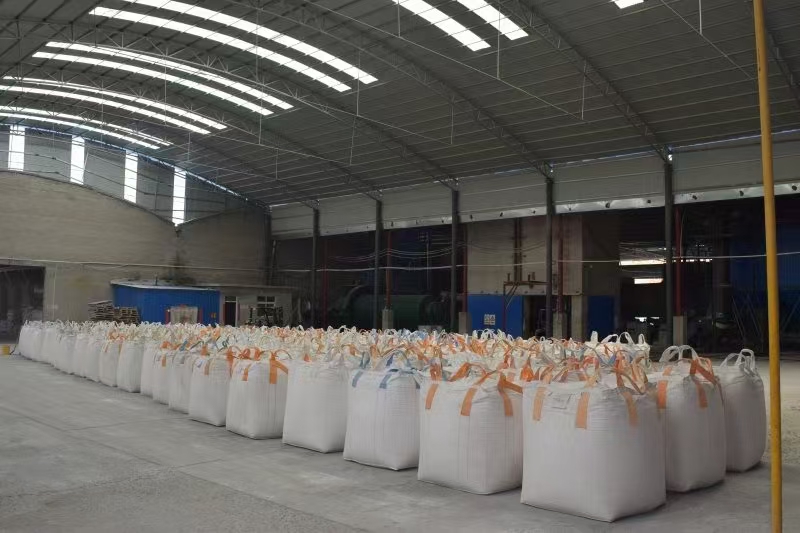
Turkish feldspar is one of the most widely traded ceramic raw materials globally, with Turkey being the world's largest feldspar exporter. Manufacturers in the Middle East, North Africa, and parts of Asia import significant quantities of Turkish feldspar. This comparison helps buyers in these regions evaluate Chinese nepheline syenite as an alternative or complement to Turkish feldspar supply.
| Property | Chinese Nepheline (Ours) | Turkish Feldspar (Typical) |
|---|---|---|
| Type | Nepheline syenite | Na-feldspar or K-feldspar |
| Fe2O3 | 0.08-0.14% | 0.08-0.20% |
| Total Alkali | 14-16% | 10-14% |
| Al2O3 | 20-24% | 17-20% |
| Free silica | None | Present |
| Flux efficiency | Higher per ton | Standard |
| CIF Middle East | Competitive | Competitive |
| CIF N. Africa | Competitive | Lower freight |
Turkish Feldspar Strengths
Turkey has excellent feldspar deposits in the Canakkale, Mugla, and Bilecik regions, processed by established companies with decades of export experience. For buyers in the Mediterranean basin, Turkish feldspar offers short shipping distances and competitive pricing. The quality of premium Turkish feldspar (Fe2O3 0.08-0.12% from the best producers) is suitable for most ceramic applications.
Where Chinese Nepheline Offers Advantages
Higher flux efficiency: Nepheline provides 20-30% more alkali per ton than Turkish feldspar, enabling lower firing temperatures and energy savings. You need less nepheline by weight to achieve the same vitrification. Higher alumina: 20-24% Al2O3 (vs 17-20%) translates to stronger ceramic bodies. No free silica: Worker safety advantage. Wider firing range: More forgiving production. For Middle Eastern buyers (Egypt, Saudi Arabia, UAE, Iraq), shipping from China takes 18-28 days — competitive with or slightly longer than Turkish shipping, but the performance advantages of nepheline can justify the logistics difference.
Combined Supply Strategy
Many Middle Eastern and North African manufacturers use Turkish feldspar in the glaze (where its lower expansion is beneficial) and Chinese nepheline in the body (where its higher flux efficiency saves energy). This dual-source approach optimizes both performance and supply security. Request samples of our K100 (for body) and compare with your Turkish feldspar in side-by-side firing tests.
See the difference yourself
Request samples for your own side-by-side comparison in your lab.