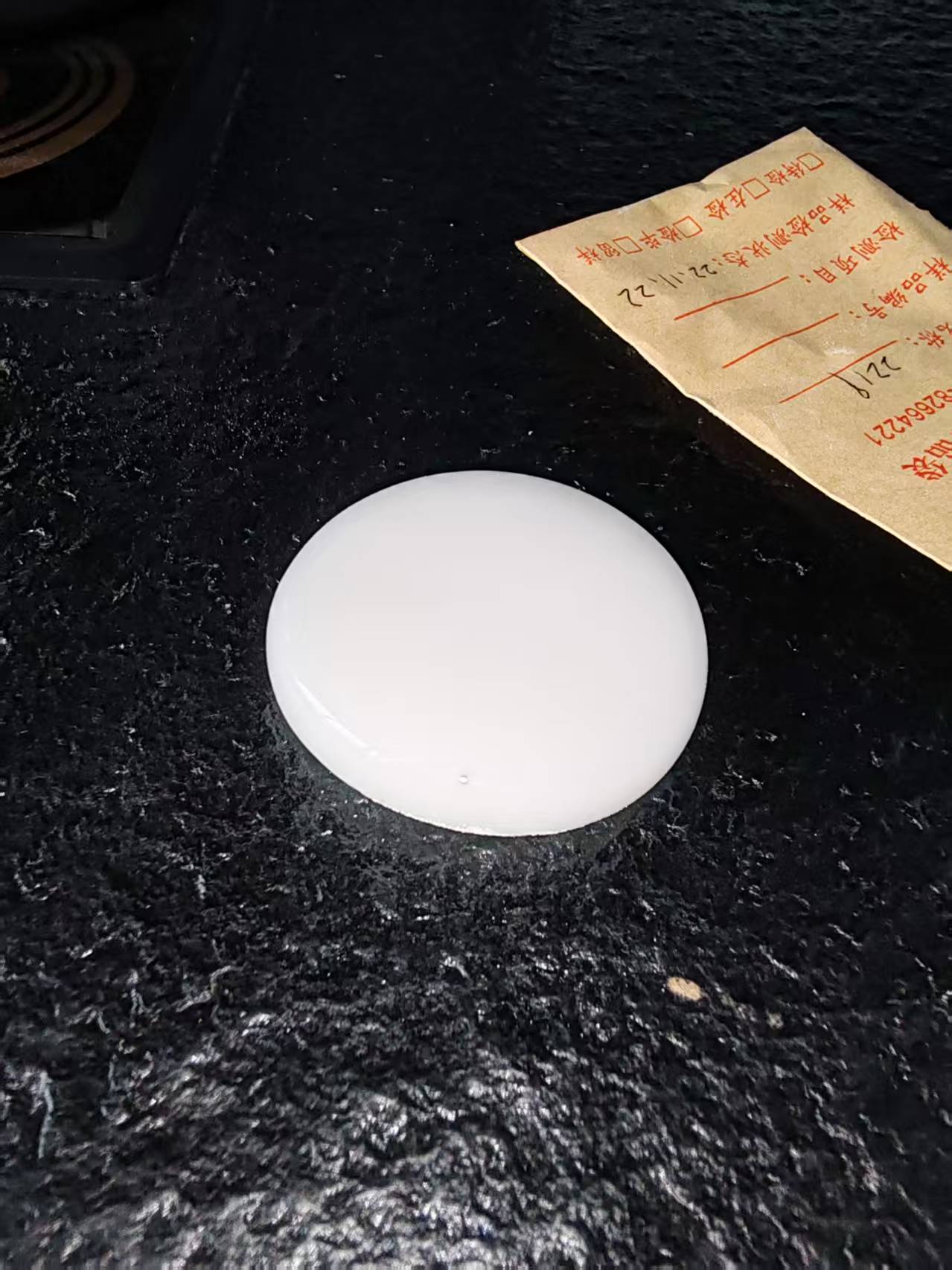
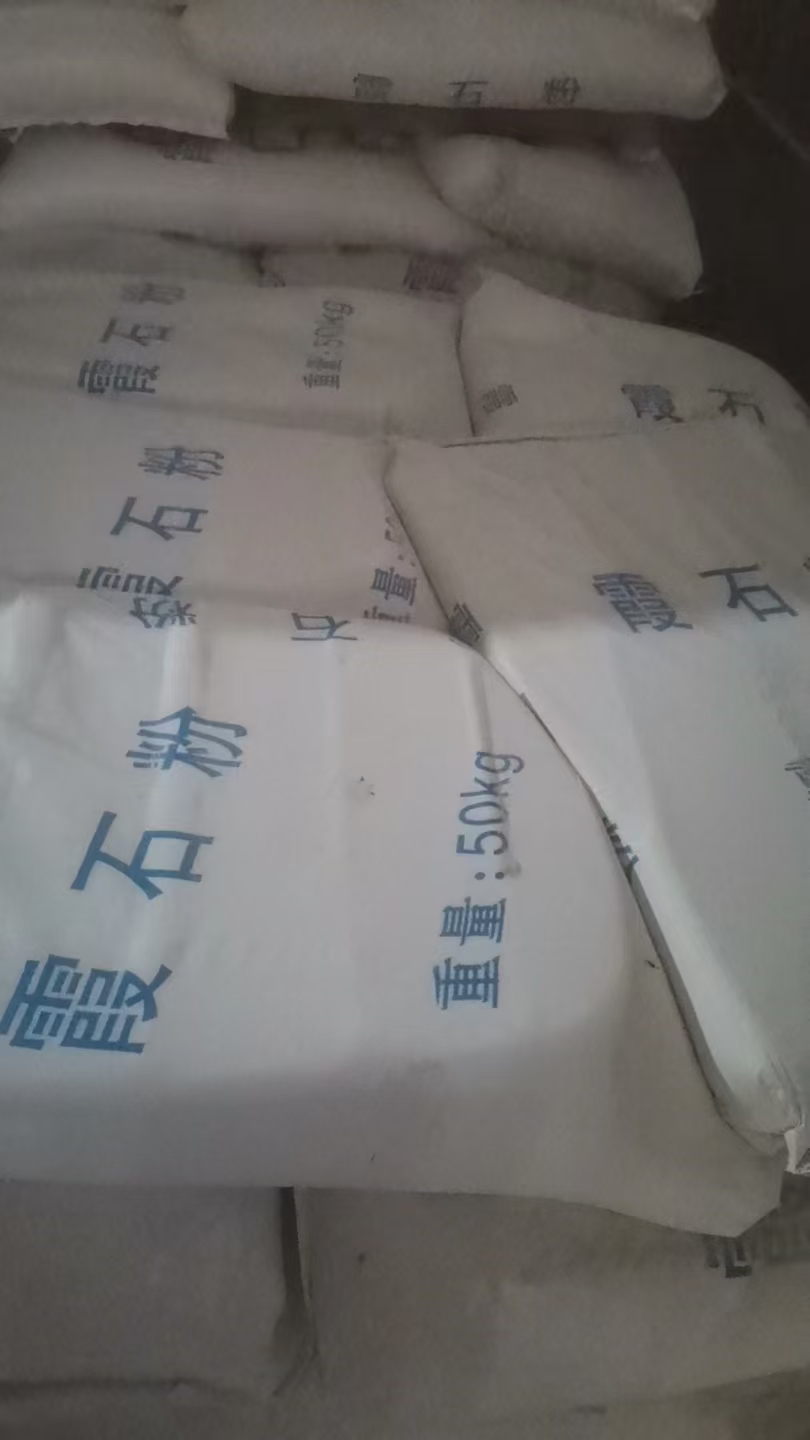
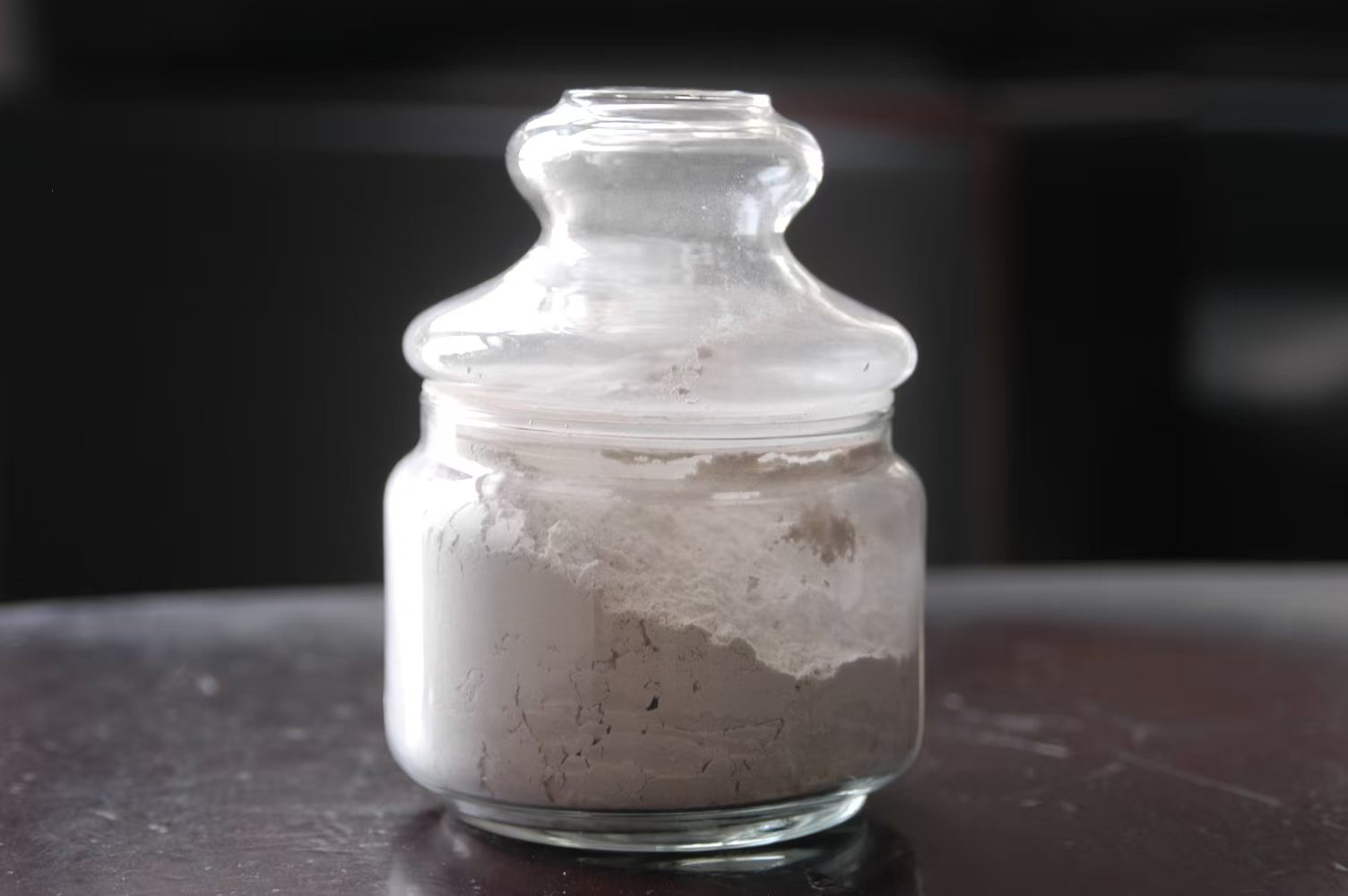
Indian ceramic tile manufacturers — particularly those in the Morbi cluster — rely heavily on domestic Indian feldspar for their production. However, the quality of Indian feldspar varies significantly by source, and manufacturers targeting premium product segments increasingly find domestic feldspar insufficient for their whiteness and consistency requirements. This comparison helps Indian procurement managers evaluate Chinese alternatives for quality-critical applications.
| Property | Chinese (Ceramic Minerals) | Indian Domestic (Typical) |
|---|---|---|
| Fe2O3 | 0.08-0.14% | 0.15-0.80% |
| Consistency (Fe2O3 SD) | ±0.02% | ±0.05-0.15% |
| Total Alkali | 14-16% | 10-14% |
| Al2O3 | 20-24% | 17-20% |
| Processing | Wet + multi-stage magnetic | Variable (dry/wet) |
| COA verification | Independent 3rd party | Self-tested (often) |
| Supply reliability | Single deposit, 120M+ tons | Multiple sources, variable |
The Indian Feldspar Quality Challenge
India has extensive feldspar deposits across Rajasthan, Andhra Pradesh, and other states. However, the quality range is enormous — Fe2O3 can vary from 0.15% (premium Rajasthan sources) to over 1.0% (lower-grade deposits). Many Indian feldspar suppliers lack wet processing capability, relying on simple crushing and dry magnetic separation that cannot achieve the low iron levels that premium ceramic products demand. Batch-to-batch consistency is also a challenge when suppliers switch between ore faces or deposits.
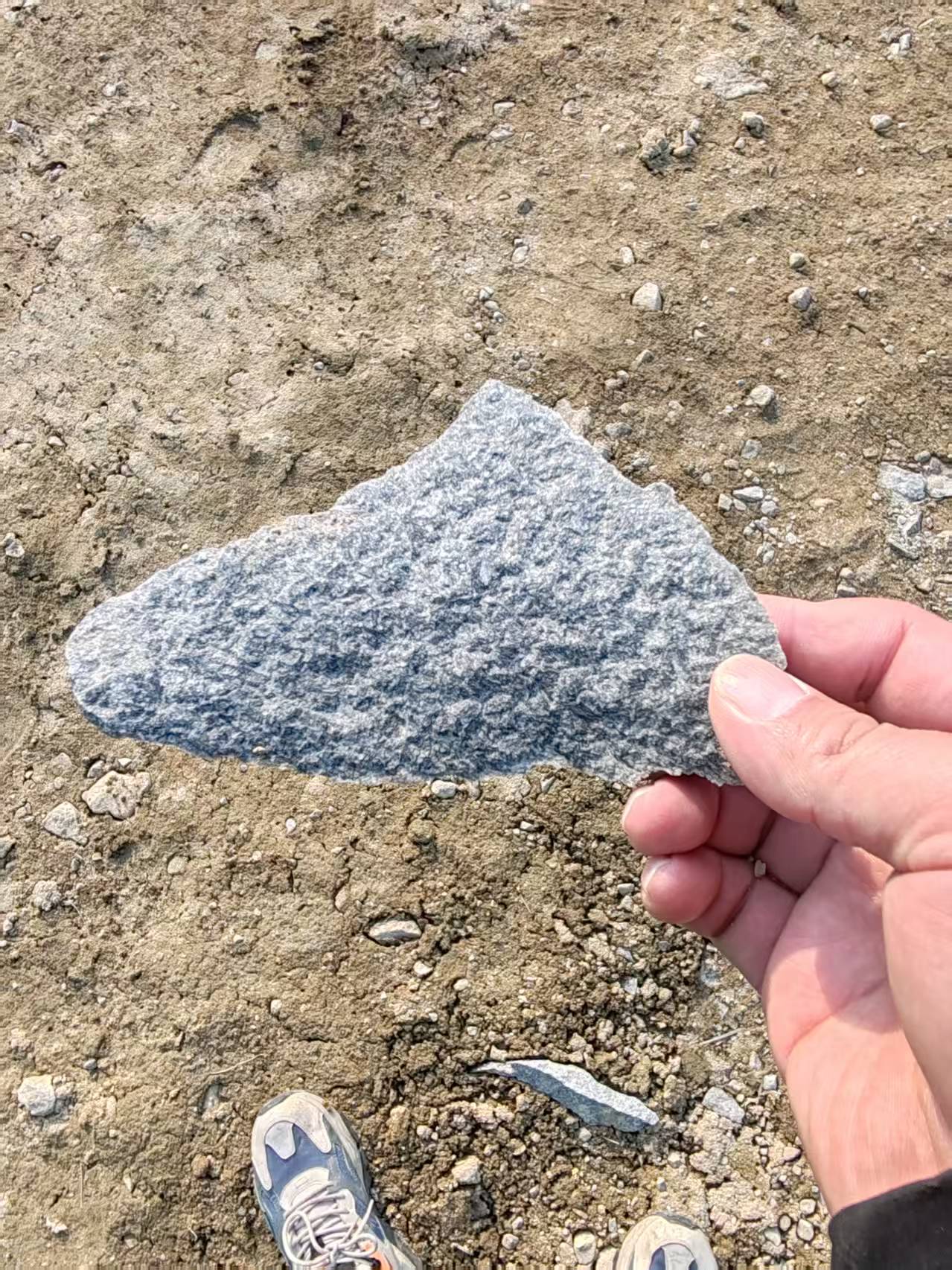
Where Chinese Nepheline Wins
Whiteness-critical products: For white-body polished vitrified tiles (PVT), glazed vitrified tiles (GVT), and premium sanitaryware, our K200 (Fe2O3 0.08%) delivers whiteness that Indian feldspar typically cannot match. Consistency-critical production: Factories running modern fast-firing lines with digital printing need consistent raw material chemistry batch after batch. Our COA-documented consistency (Fe2O3 standard deviation below 0.02%) eliminates the color variation that plagues Indian feldspar sources. Higher flux efficiency: Nepheline provides 20-30% more alkali per ton than Indian feldspar, meaning less material needed per batch — partially offsetting the import cost premium.
Practical Strategy for Indian Manufacturers
We recommend a blended approach: use Chinese nepheline (K200 or K100) for your premium product lines requiring guaranteed whiteness and consistency, while continuing to use cost-effective Indian feldspar for standard colored-body products where iron content is less critical. This optimizes your total raw material cost while ensuring your premium products meet market quality expectations. Landing through Mundra or Kandla ports (14-21 days shipping), our material reaches Morbi factories efficiently.
See the difference yourself
Request samples for your own side-by-side comparison in your lab.