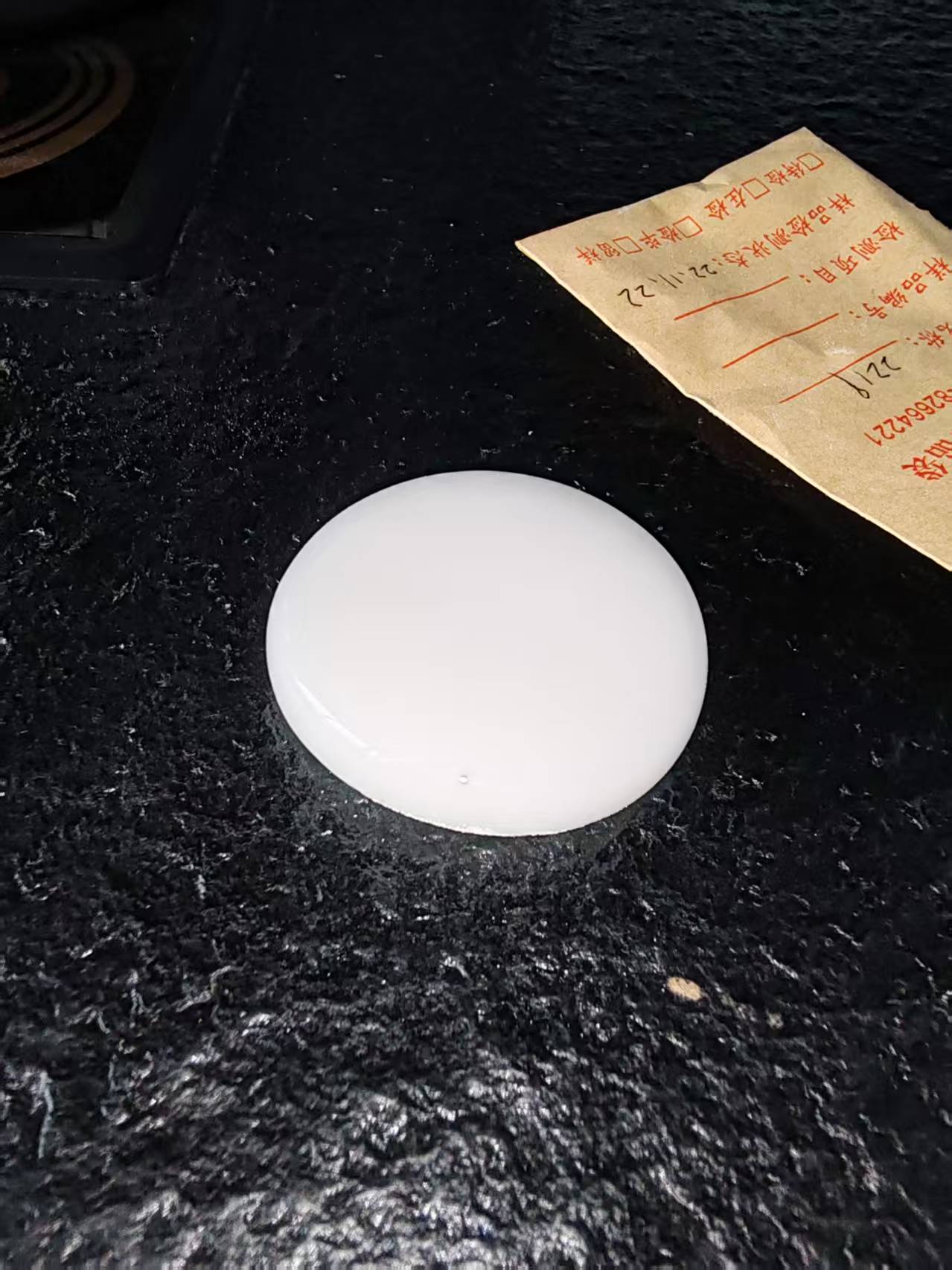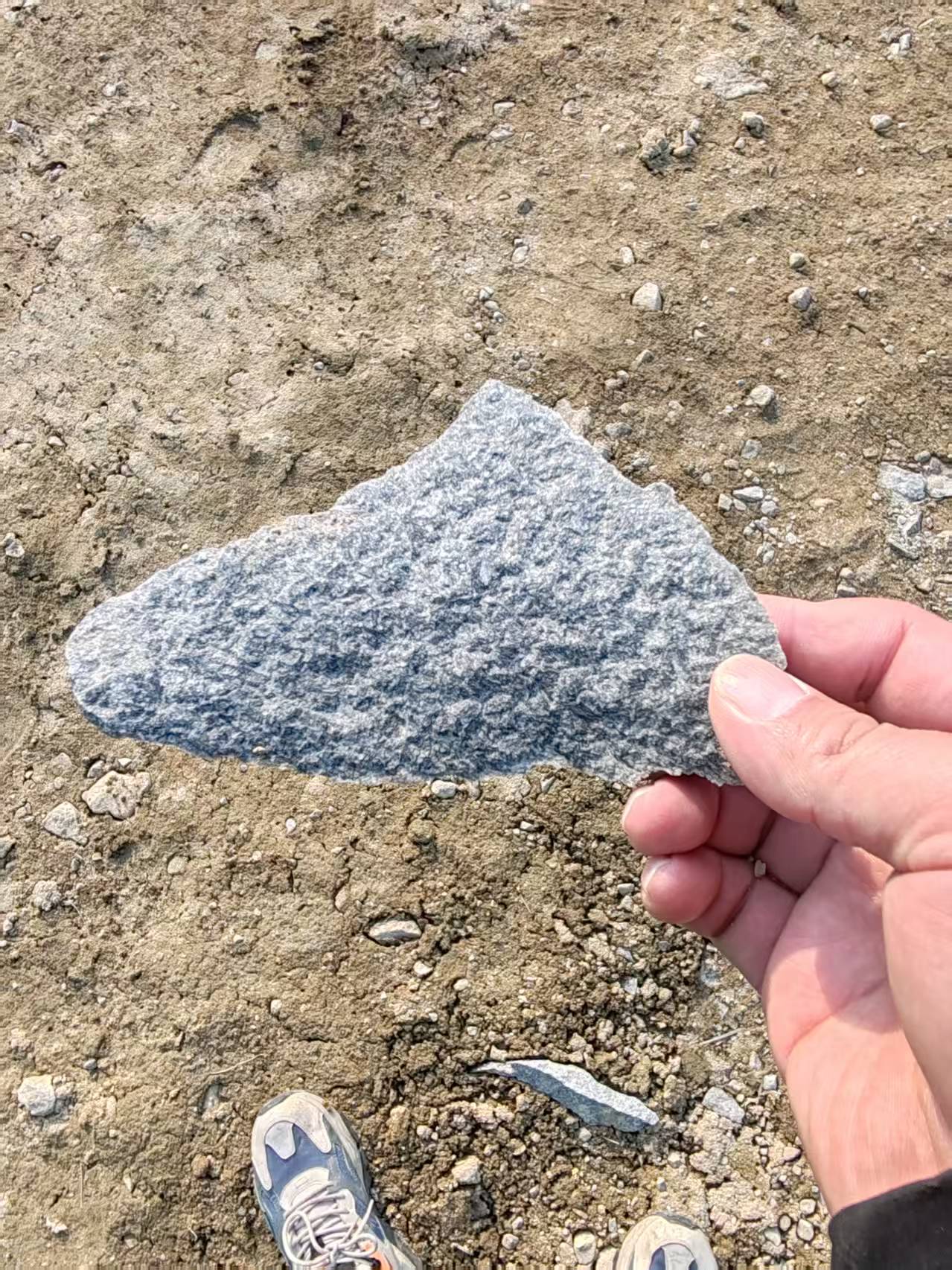
Ceramic floor tiles are the largest market for nepheline syenite worldwide. These tiles must withstand constant foot traffic, heavy loads, and moisture — demanding raw materials that produce exceptionally dense, strong, and durable ceramic bodies. Nepheline syenite addresses all these requirements by serving as a powerful flux that promotes complete vitrification at practical firing temperatures.
Why Floor Tiles Need Nepheline
Floor tiles must achieve water absorption below 3% for general tiles and below 0.5% for porcelain-grade. This requires effective flux materials that promote glass phase formation. Nepheline syenite provides more fluxing power per unit weight than feldspar (12-16% combined alkali vs 10-14%), enabling complete vitrification at 30-50°C lower temperatures — a significant energy saving at industrial scale.
Technical Advantages
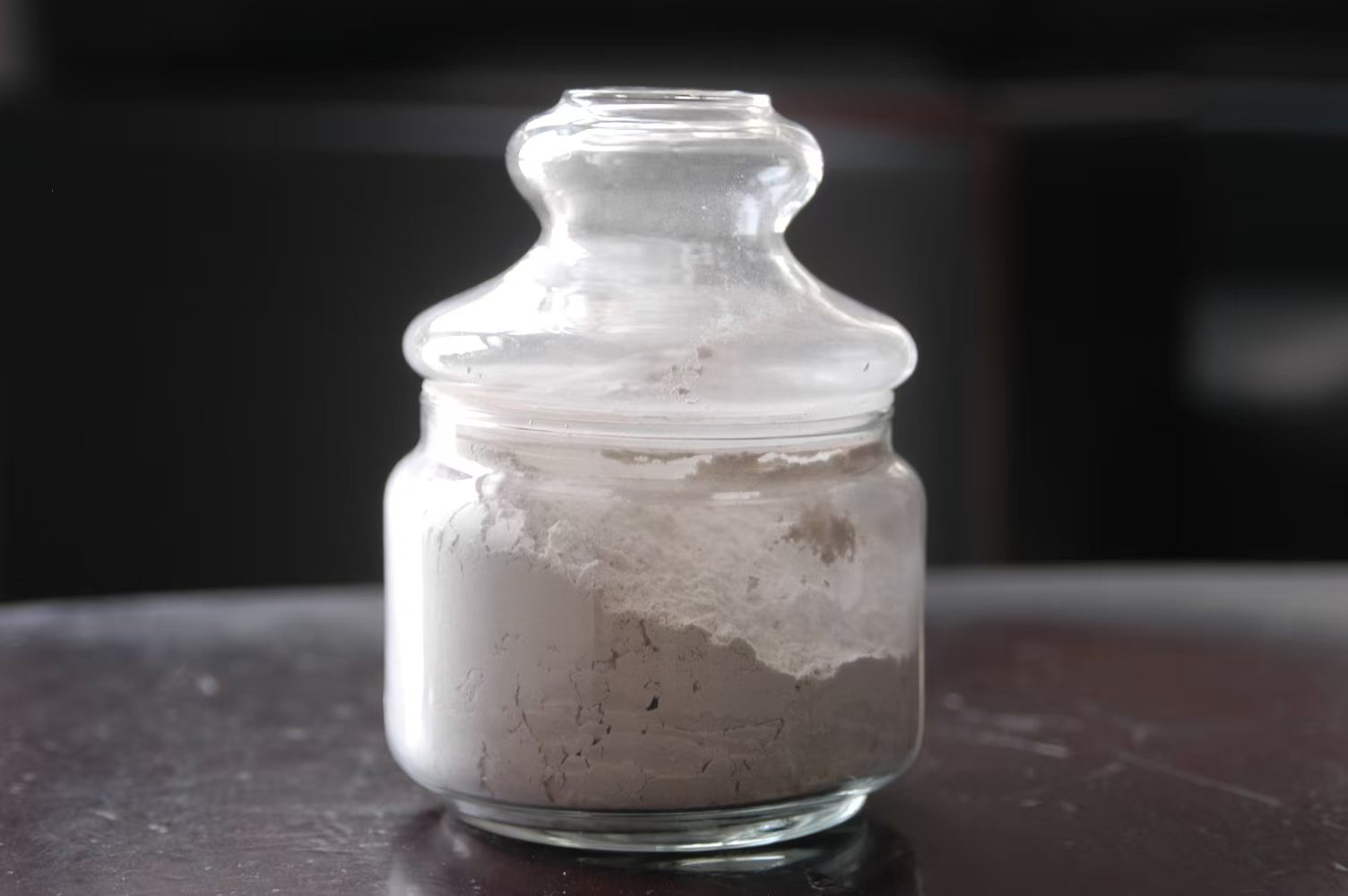
When nepheline replaces a portion of feldspar in a floor tile body: firing temperature drops 30-50°C, higher alumina content increases mechanical strength, broader firing range gives more kiln flexibility reducing rejects, and absence of free silica improves frost resistance. For standard floor tiles: our K100 offers best value. For premium porcelain: K200 at 200 mesh.
Formulation Guide
Typical floor tile body: clay 35-40%, nepheline 20-25%, quartz 25-30%, feldspar 5-10%, talc 3-5%. For porcelain floor tiles (absorption <0.5%), increase nepheline to 25-30%. Contact our team for formulation assistance.